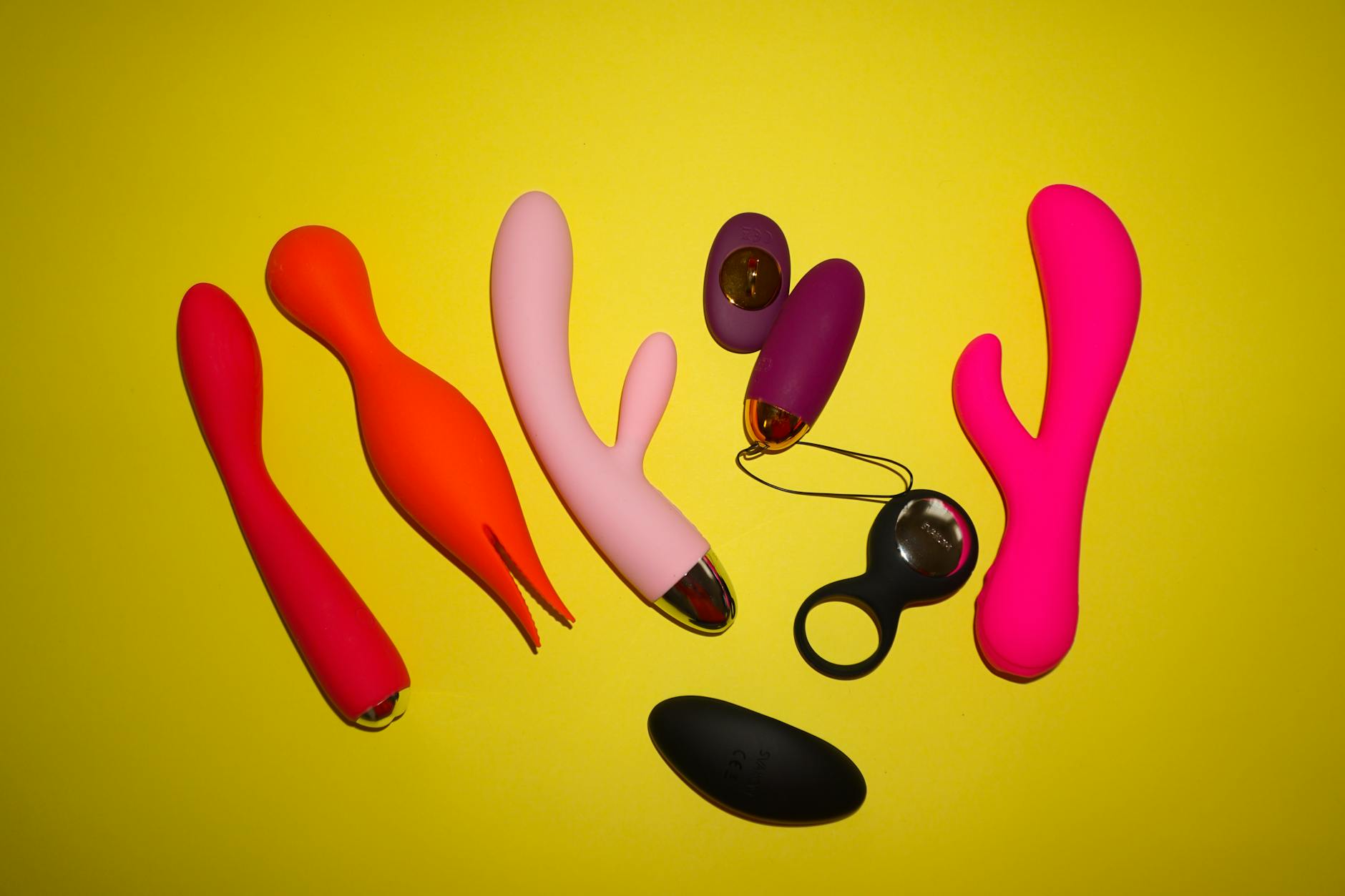
Here's what nobody tells you about relationship stress and sex
When things are tense with a partner, your libido doesn't just soften a little. It vanishes. The body keeps score of emotional distance the way it never forgets a physical threat. Your nervous system knows the difference between a partner who feels safe and a partner who feels like a source of conflict. And when there's unresolved tension, anger, or disappointment in the room, desire basically goes offline.
The frustrating part? This isn't broken. It's not low libido in the clinical sense. It's a perfectly rational response to an emotionally unsafe environment. Which means the fix isn't hormones or patience. It's rebuilding your sense of pleasure independently first, then moving toward reconnection.
That's where lemon clitoral vibrators come in.
Why stress shuts down arousal
When you're in conflict with a partner, your brain floods with cortisol and adrenaline. These chemicals literally suppress the dopamine and oxytocin needed for arousal. Your vagus nerve, which regulates your ability to feel calm enough to be turned on, stays in a defensive state. Add avoidance, resentment, or ongoing arguments to the mix, and you've got a nervous system that has learned to associate intimacy with discomfort.
This isn't a reflection on your desire or capacity. Many people with completely healthy libidos become functionally asexual in stressful relationships. It's not depression, medication, or a phase. It's your body protecting itself.
The recovery process happens in layers. You can't fast-forward directly from "we're fighting" to "let's have great sex." But you can rebuild your capacity for pleasure solo, which signals to your nervous system that sensation is safe again.
Starting solo before rebuilding together
When relationship stress has tanked your libido, touching yourself feels awkward at first. You might feel guilty, worried it's "cheating," or anxious that it's admitting defeat. None of those thoughts are wrong. But they're also not the point.
Using a lemon sucker or lem vibrator alone is retraining your nervous system. You're telling your body, "I get to feel good independent of whether things are perfect with my partner." That boundary is actually protective of the relationship.
Start with five to ten minutes, two to three times a week. No pressure to orgasm. The goal is just reconnecting with physical pleasure in a space where you feel zero performance pressure. With lemon clitoral vibrators, the suction mechanism does most of the work, so your brain can focus on sensation rather than technique.
Using suction to bypass emotional blocks
Traditional vibrators require you to create the rhythm and pressure. With relationship stress in your system, that active engagement can feel exhausting. Lemon clitoral vibrators work differently. The suction stimulation is rhythmic and consistent, which actually helps regulate a dysregulated nervous system.
Start on the lowest setting. Let the device do the work. This is important because when you're emotionally depleted, the last thing you need is another task. Suction-based stimulation like the Lem gives you permission to be passive, to receive, to notice sensation without performing.
Many people find that after a few sessions, their body's responsiveness returns faster with this approach than with traditional vibration.
The timeline for rebuilding desire
Don't expect desire to bounce back in a week. This usually takes three to six weeks of consistent solo exploration, depending on how long the stress has been active and how much repair work the relationship itself needs.
Weeks one to two. Your body feels numb. That's normal. Keep using your lemon vibrator anyway. You're not building arousal yet. You're building nervous system safety.
Weeks three to four. You might notice sensation returning. A subtle tingle, a spark of interest. Celebrate it without clinging to it. This is the nervous system beginning to relax.
Weeks five to six. Desire starts knocking on the door again. By now, if you've also been working on reconnecting with your partner emotionally (conversations, time together, vulnerability), you might feel willing to be intimate again.
If your relationship also needs repair
Let's be real. Using a lemon clitoral vibrator doesn't fix a broken partnership. What it does is uncouple your personal sexuality from the relationship's current state. You get your pleasure back. That's step one.
Step two is actually addressing whatever created the stress. That might mean couples therapy, difficult conversations about expectations, or professional help working through conflict patterns. If you're rebuilding intimacy after a long dry spell, having your own pleasure back makes those conversations easier because you're not coming from a place of deprivation.
One note. If the relationship stress involves infidelity, abuse, or chronic disconnection, vibrators aren't the answer. Professional support is.
Bringing the exploration back into the relationship
Once you've spent a few weeks rebuilding solo pleasure, introducing your partner to the fact that you're using a lemon vibrator doesn't have to be complicated. You don't need permission. You're not asking. You're informing.
"I've been using a toy solo, and I'm enjoying it. I'd like to bring it into our time together when we're both ready." That's it. No explanation needed.
Some partners feel relieved. Others feel threatened. How they respond tells you something important about where you both are. If there's defensiveness or shame, that's another layer of the relationship work that needs attention.
When you do bring the lemon vibrator into partnered time, the dynamic shifts. You're no longer waiting for your partner to "turn you on." You're collaborating in your own pleasure. That agency changes the whole tone of intimacy.
Managing expectations around reconnection
Here's the hard truth. Sometimes using a lemon clitoral vibrator to rebuild your personal pleasure also reveals that the relationship needs more than emotional reconnection. Maybe your partner isn't interested in your sexuality. Maybe there's a fundamental mismatch in desire. Maybe trust was broken and hasn't been repaired.
Reclaiming your pleasure is still worth it. Because now you know you have a sexuality independent of the relationship. That knowledge matters, whether you stay or not.
What to do if desire doesn't return
If you've been using your lem vibrator consistently for six to eight weeks and there's still no spark, it's time to check in with yourself. Is the relationship actually safe? Are you still angry? Is there deeper emotional work needed?
Sometimes low libido rooted in relationship stress stays low because the stress is still active. The tool can help, but it can't override an unsafe emotional environment. A good relationship therapist can help you figure out whether the partnership is worth saving and what that work looks like.
Quick reset if stress flares up again
Relationship stress doesn't resolve once and stay resolved. You might feel connected for months and then hit a rough patch. When conflict returns, desire usually tanks again.
That's the moment to go back to solo exploration with your lemon vibrator. Five to ten minutes alone, two to three times a week, signals to your nervous system that pleasure is separate from the relationship conflict. You're not starting over. You're just recalibrating.
FAQ
How long does it usually take for libido to return after relationship stress?
Three to six weeks of consistent solo exploration is typical, assuming the relationship stress itself is being addressed. If conflict is ongoing, desire won't fully return because your nervous system is still in defense mode. The suction-based stimulation from lemon clitoral vibrators can help accelerate that timeline because the rhythmic sensation is naturally calming to the nervous system.
Is using a vibrator alone cheating if I'm in a relationship?
No. Your sexuality belongs to you independent of your partnership. Using a lemon vibrator or any other toy solo is self-care and nervous system regulation, not infidelity. If your partner feels threatened by it, that's something to explore together, but shame around solo pleasure isn't healthy for you or the relationship.
Can a lemon vibrator fix a relationship where desire has completely disappeared?
No tool can fix a broken relationship. But reclaiming your personal pleasure can give you clarity about what's actually wrong. Sometimes the issue is just stress and distance. Sometimes it's deeper incompatibility. A vibrator helps you separate the two so you can see what's really happening.
Should I tell my partner I'm using a lemon clitoral vibrator?
That depends on the relationship dynamic and your own comfort level. You don't need permission, but transparency often helps rebuild trust after tension. A simple, low-pressure mention like, "I've been taking some time for myself with a vibrator, and it's helping me feel better," is enough. How they respond tells you something important.
What if my partner wants to watch or participate right away?
You get to set the pace. Solo exploration is about rebuilding your nervous system safety first. If you want to bring your partner in eventually, great. But you also get to say, "I need a few weeks to myself first." That boundary is healthy, and any partner worth keeping will respect it.
Does the suction mechanism on lemon vibrators work better for stress-related low libido than traditional vibration?
For many people, yes. Suction stimulation is rhythmic and consistent, which helps regulate a dysregulated nervous system. Traditional vibrators require more active engagement, which can feel overwhelming when you're already emotionally depleted. The Lem's suction design means you can be passive and just receive sensation, which is often what stressed nervous systems need most.