When your body feels like a stranger
It happens quietly. A breakup, a health crisis, a work spiral, grief, a partner's job move. Life gets in the way and suddenly it's been eight months. Or two years. The longer it goes, the weirder it feels to start again. Your body feels unfamiliar. Your mind feels rusty. And the idea of just "getting back into it" with a partner (or alone) feels genuinely daunting.
Here's what I see most often in my practice: when people return to sexual activity after a significant dry spell, they expect to pick up where they left off. They can't. And that gap between expectation and reality tanks their confidence right when they need it most.
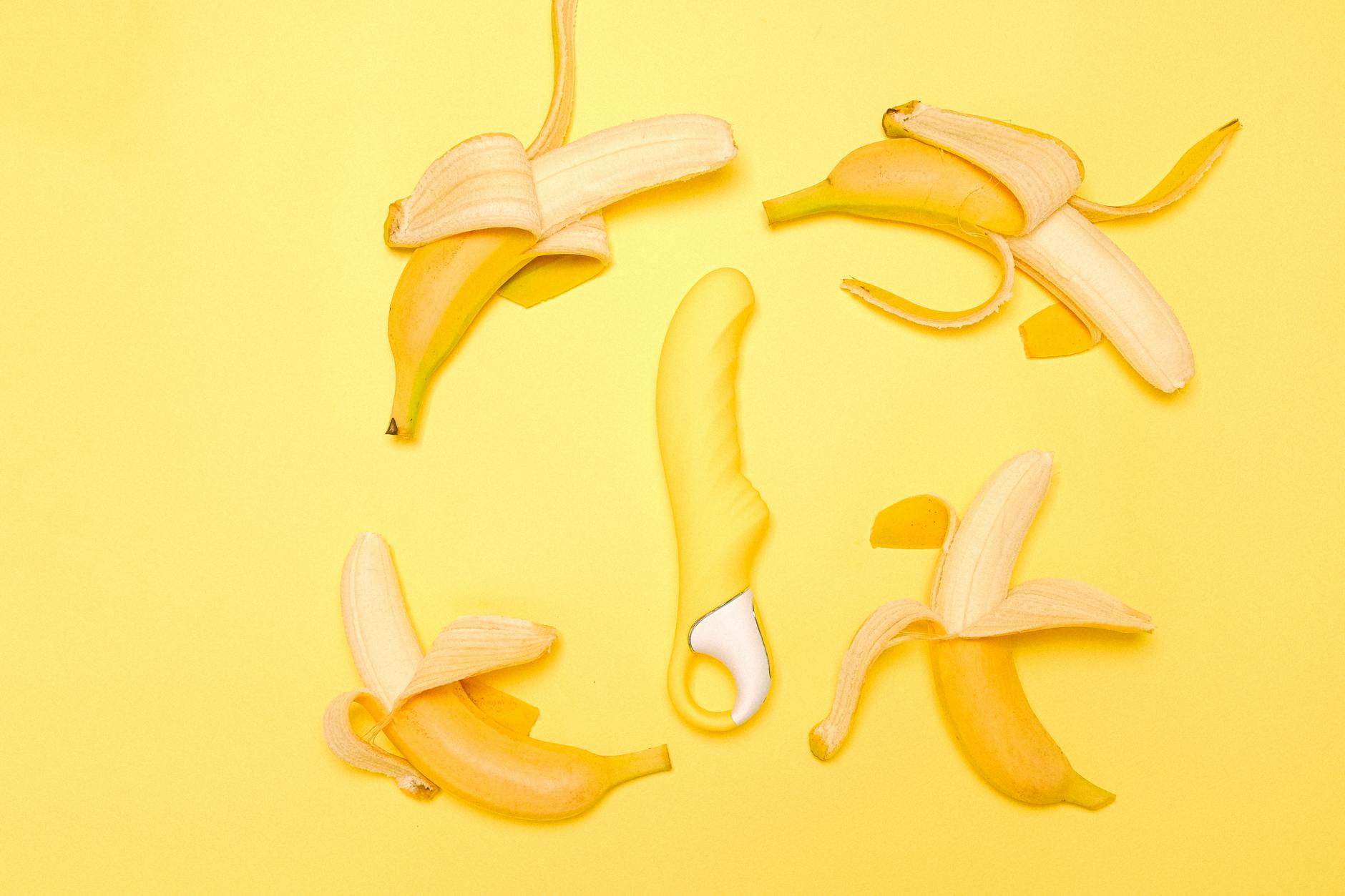
Lemon clitoral vibrators, specifically, solve a problem that almost no one talks about. They bridge that gap. They let you reconnect with your own pleasure first, without pressure, without performance, without the complication of a partner's timeline or expectations.
Why your body needs more than just "getting back to it"
When you haven't had sex for an extended period, your nervous system literally downregulates. I don't mean this metaphorically. Estrogen levels affect tissue elasticity and blood flow to the pelvic region. Your arousal response gets quieter. Your body takes longer to warm up. If it's been a really long time, you might experience some discomfort or numbness at first.
Your brain also recalibrates. If there's been emotional distance from a partner, or if you're nervous about whether your body still "works," those thoughts create a neurological feedback loop that genuinely suppresses arousal. Anxiety blocks sensation. And sensation blockage increases anxiety. It's a cycle.
Adding a partner's expectations or pressure into that situation makes everything harder. You're not just relearning your own body. You're performing your relearning for someone else.
That's where a lemon vibrator changes the game.
How suction differs from vibration when you're starting over
Most people think of vibrators as simple buzzing devices. Lemon clitoral vibrators work differently. They use gentle suction and pulsing rather than pure vibration. This matters enormously when you're coming back from a dry spell.
Suction stimulates the clitoral complex without the direct friction that can feel overwhelming on sensitive tissue that hasn't been sexually engaged in a while. Your clitoris has about 8,000 nerve endings concentrated in a tiny area. After months of no stimulation, those nerves are hypersensitive in unpredictable ways. Some days intense pressure feels good. Other days it feels too much.
With lemon sexual toys, you control the intensity. You start at setting one or two. Your body tells you what it needs. There's no pressure to escalate. There's no judgment if you spend 20 minutes at the gentlest setting. You're essentially reacquainting yourself with what pleasure feels like in your actual body right now, not what you remember it feeling like three years ago.
The practical steps to rebuilding solo first
I recommend what I call the "solo intimacy reset." Here's how it works with a lemon vibrator.
Week one: sensation mapping. Spend 15 minutes alone with no goal of orgasm. Use the lowest setting on your lemon clitoral vibrator. Don't aim for climax. Just notice what you feel. Where does sensation concentrate? Does pressure feel good or too much? Where are you numb? This is data gathering, not performance.
Week two: gentle exploration. Same 15-minute window, but now you can move to setting two if setting one starts to feel predictable. You're still not chasing an orgasm. You're learning what your body responds to right now. Take notes mentally. You don't need pressure.
Week three: adding fantasy or sensation. Now you can introduce what actually turns you on. Maybe that's a memory, maybe it's reading something, maybe it's music. Pair that with your lemon vibrator at whatever setting feels right. Start connecting arousal to actual sensation in your body.
Week four: letting it happen. By now, if you've been consistent, orgasm usually follows naturally. Not forced. Not performed. Just your nervous system recalibrating to pleasure.
I know four weeks sounds slow. It is. It's also the fastest way to genuine confidence. If you rush this and jump straight to partnered sex or high-intensity stimulation, you reset yourself backward. Anxiety spikes. You question whether you can still come. The story gets worse.
What changes when you bring a partner back in
Once you've done the solo work, reintroducing a partner shifts completely. You're no longer nervous about whether your body works. You've already answered that question. You've got baseline data on what you like.
Now the conversation with your partner becomes easier because you're not starting from "I hope I can still do this." You're starting from "Here's what I've learned about what my body needs right now."
Many couples find that using a lemon vibrator together actually deepens the experience. Your partner can see what turns you on. They can watch your response in real time. Instead of guessing or relying on old patterns, you're building new ones together. That's actually incredibly intimate.
The key is removing the performance pressure. If your partner is watching you use a lemon clitoral vibrator and the goal shifts from "will I come" to "what am I feeling," everything changes.
When to pause and check in with yourself
Rebulding intimacy after a long dry spell sometimes uncovers other things. Pain that wasn't there before. Emotional resistance you didn't expect. Mismatched desire with your partner.
If you experience pain using a lemon vibrator, that's useful information. It might mean you need pelvic floor physical therapy. It might mean you're not as aroused as you thought. It might mean your body needs more time. None of these are failures. They're data.
If you find that even with perfect solo work, desire drops when your partner enters the room, that's also real information. That's not something a vibrator fixes. That might mean the relationship needs attention, or your relationship dynamic has shifted, or you're grieving something. A lemon vibrator is a tool for pleasure, not a tool for fixing relational problems.
But here's what I've seen: when someone does the slow solo work first, reconnects with their own sensation, and then brings a partner in mindfully, the odds of reigniting intimacy are genuinely high. The vibrator isn't the magic. The magic is permission. Permission to go slow. Permission to prioritize your own sensation. Permission to learn yourself again before performing for someone else.
FAQ
How long after a dry spell should I wait before trying a lemon vibrator?
Not long. If you're emotionally ready and curious, you can start within days. The solo work isn't about waiting. It's about being intentional. A week of solo exploration with a lemon clitoral vibrator is better than three months of avoidance followed by pressure.
Can you use lemon vibrators if you're experiencing anxiety about your body?
Yes, actually more so. The beauty of the solo reset is that you remove the performance element entirely. Anxiety about "will I be able to come" or "will I still be desirable" gets quiet when nobody's watching. You can focus on actual sensation instead of the story you're telling yourself about your body. Many people find that a lemon vibrator actually softens anxiety because it gives proof that your body still works.
What if I'm rebuilding with a new partner, not the one I was with during the dry spell?
Even better. Do the solo work first. When you bring a new partner in, you're not carrying the history of a long dry spell with them. You're just being honest about where you are right now. "I want to take this slowly" becomes a strength, not an explanation of a problem. A new partner doesn't have expectations about how you used to be.
Is it normal if orgasm feels different after a long time without sex?
Completely normal. Orgasms sometimes feel shallower at first. Sometimes they feel more intense because your body is hypersensitive. Sometimes the buildup is different. This normalizes within 4-6 weeks of consistent solo exploration. Your nervous system is just recalibrating.
Should I tell my partner I'm using a lemon vibrator to rebuild?
That depends on your relationship. If you're rebuilding together, transparency helps. You don't need to make it weird. "I'm spending some time getting back in touch with my body solo, and then I'd like to bring you into this when I feel ready." Most partners appreciate the honesty because it removes the guessing game. If you're rebuilding alone right now, it's entirely private.
How do I know when I'm ready to involve my partner again?
When you can orgasm solo consistently and when the idea of partnered sex makes you curious instead of anxious. Those usually happen at the same time. If anxiety is still high, keep going with solo work. There's no deadline.
The long view
A dry spell feels permanent when you're in it. It feels like your body has forgotten. It hasn't. Your nervous system has just downregulated. The right tool, used with patience and intention, brings you back online faster than waiting or forcing it.
A lemon vibrator isn't about speed. It's about giving yourself permission to learn your body on your timeline, without audience, without pressure. Once you've done that, everything that comes after feels different.
Ready to explore what your body actually needs right now? Start with yourself first. That's where every good comeback begins. If you have specific questions about your situation, reach out to Hello Nancy. We're here to help you figure out the next step that actually fits your life.