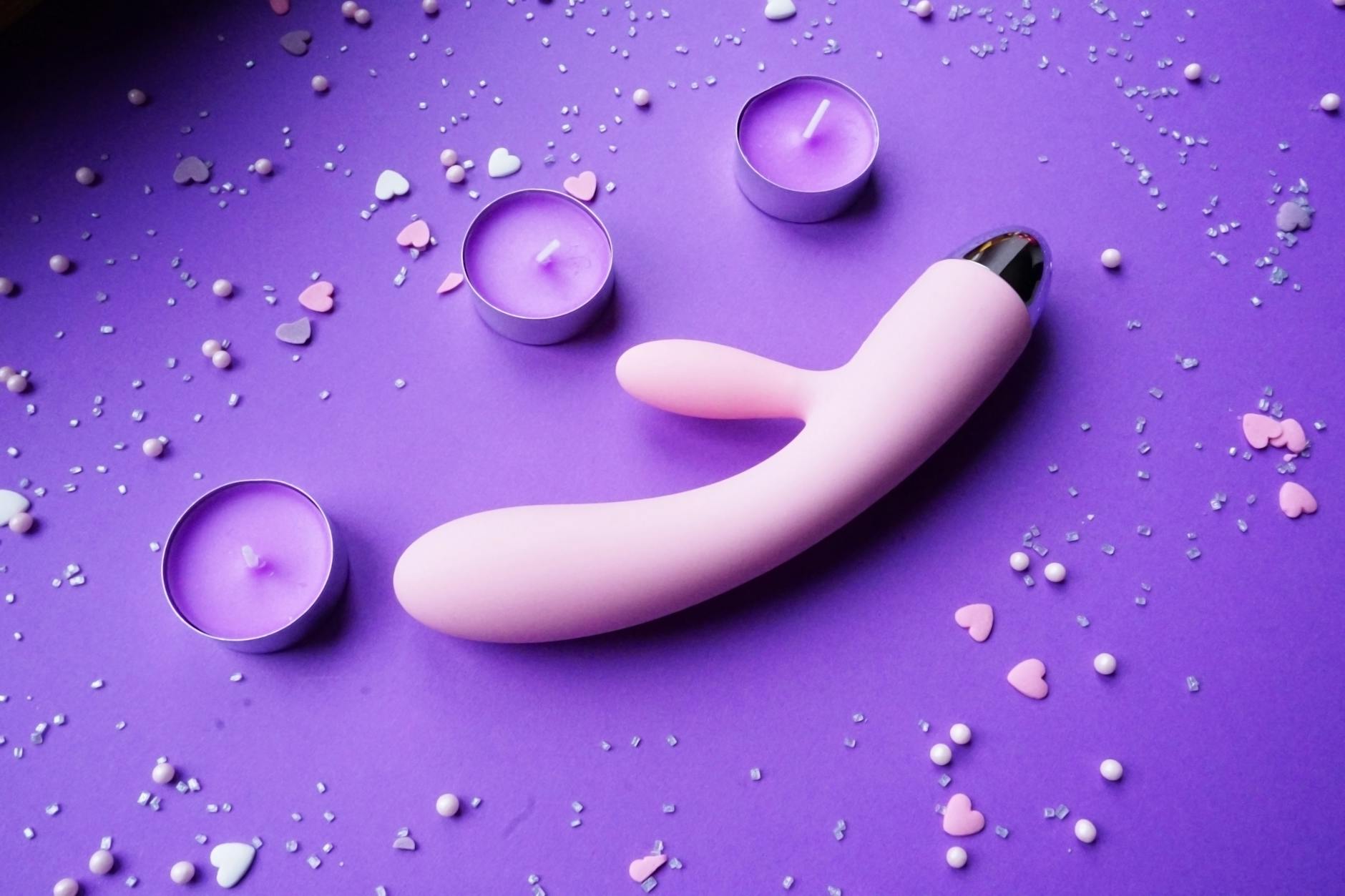
Your pleasure style isn't universal
You know what works for you. You know your body's rhythm, your preferred intensity, how long it takes to build. Then you meet someone new, and suddenly none of that shorthand applies. Add a lemon vibrator to the mix, and it gets more complicated because you're not just learning each other. You're learning each other through a tool designed to deliver concentrated clitoral stimulation.
Here's the thing: lemon clitoral vibrators don't feel the same from person to person. The same suction pattern that sends one person straight into an orgasm might feel overwhelming to someone else. Understanding why means you can actually enjoy the experience instead of awkwardly troubleshooting in the moment.
How pleasure styles actually differ
When I work with couples, I see three main categories of pleasure response that matter when lemon vibrators enter the picture.
The fast responder. These people feel stimulation immediately and can orgasm within 5 to 10 minutes of consistent stimulation. With a lemon vibrator, they often want lower settings and shorter sessions. High intensity too early and they finish the experience before they wanted to. Starting at pattern 1 or 2 on a device like the Lem gives them room to accelerate without overshooting.
The slow builder. These folks need 15 to 30 minutes and multiple forms of stimulation to reach orgasm. They might start with fingers or a partner's mouth, then add the vibrator once they're already partway there. The lemon suction toy becomes an amplifier, not the opening move.
The variable responder. Their response changes based on stress, cycle timing, what they ate, how connected they feel that day. Nothing is predictable. With these partners, flexibility matters more than efficiency. A lemon vibrator that offers multiple patterns and intensity levels becomes crucial because one night pattern 4 is perfect, and the next week pattern 2 is all they need.
Most people fall into blended categories, but one usually dominates. The problem isn't figuring out which one you are. It's discovering which one your new partner is without killing the mood by asking.
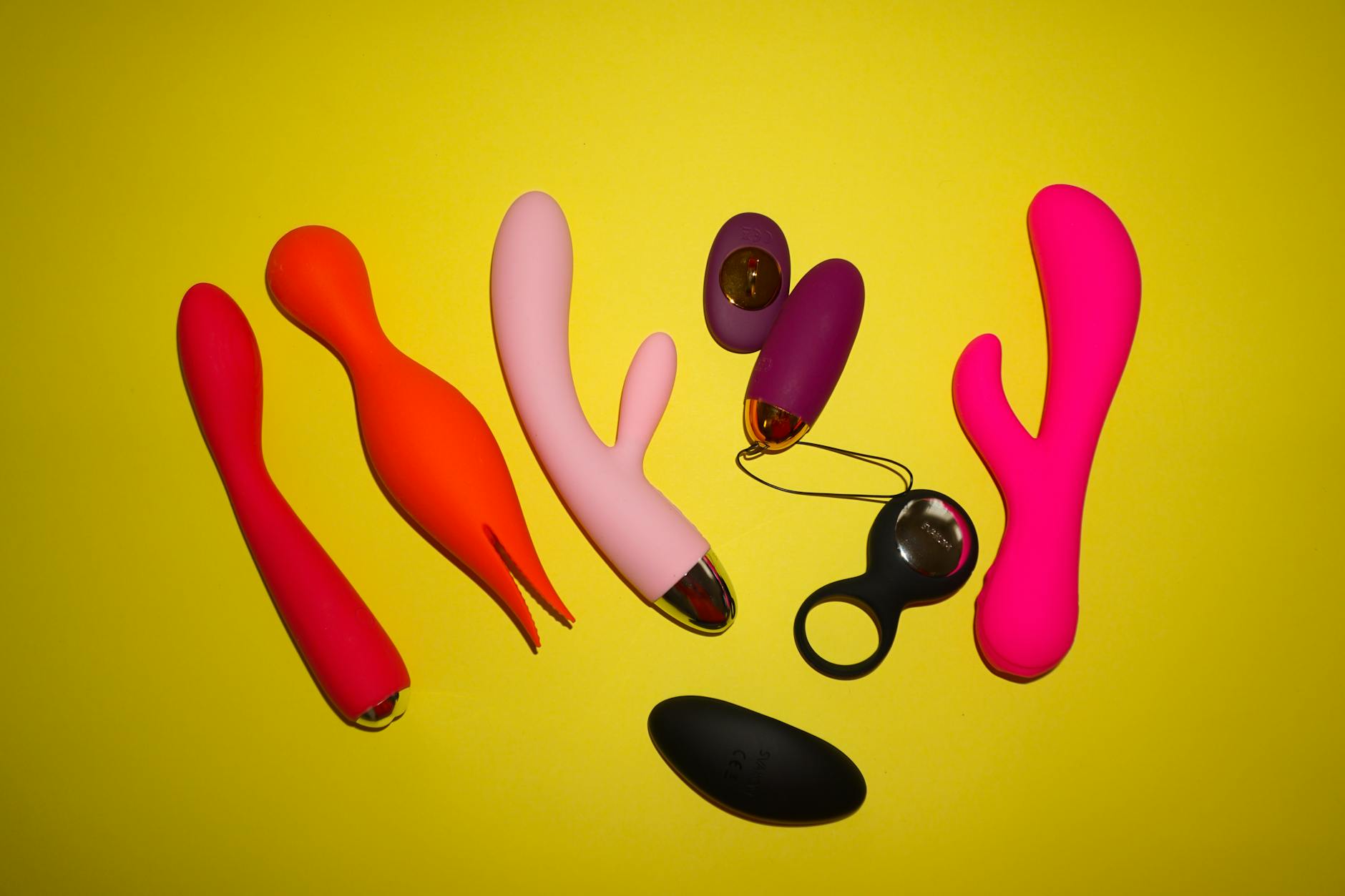
Photo by FounderTips on Pexels
The communication problem nobody talks about
Here's what couples usually do: one person suggests using a lemon clitoral vibrator. The other agrees. Then they get in bed, and neither person wants to be the one who stops to ask "Is this okay?" or "Should we turn it down?" or "Want me to try a different pattern?"
So one of you is frustrated, and the other has no idea. That's not a tool problem. That's an information problem.
Before you use a lemon vibrator together, have a conversation when you're not in bed. Not a clinical one. Just something like: "I'm thinking we could try this sometime. What would make you feel comfortable?" Listen for:
Do they want it built into foreplay or saved for later? Do they want control of the intensity, or would they prefer you to hold it? How long do they usually need? What intensity level feels good when they use it alone?
If they've never used lemon adult toys before, that's useful intel too. Some people's first experience is better with a slower introduction. Others want to dive straight in.
Why sensitivity varies between partners
Clitoral tissue isn't uniform, and neither is nerve distribution. Some people have more densely packed nerve endings. Others have tissue that's naturally more or less sensitive to suction specifically.
That's one reason why the same lemon vibrator can feel mild to one partner and intense to another. It's not about willpower or being "too sensitive." Physiology is just different.
There's also the psychological element. Someone who's self-conscious about their body takes longer to relax, and relaxation is when tissue becomes more responsive. New relationship energy sometimes accelerates arousal, sometimes blocks it depending on the person. That's normal and shifts over time.
With a lemon suction toy, the physical feedback is immediate. If someone's nervous about how it will feel, their body's natural response might be to tighten up, which makes the sensation feel more intense. Lower settings become even more important in these situations.
Starting with a new partner: the actual sequence
Forgot the fantasy version where you introduce it casually and everything works perfectly. Here's what actually works:
Session one: exploration without pressure. You're not trying to have an orgasm. You're trying to feel what different patterns feel like on different body parts. Start clothed or with a barrier. Try it on the inside of a wrist, a thigh, non-erogenous zones first. This removes the performance pressure and builds familiarity.
Session two: external, low intensity. You're clothed from the waist down. One partner holds the lemon vibrator at pattern 1 or 2, moving slowly over the outside of underwear. The receiving partner signals what feels good by their breathing and body position. No communication necessary yet. Just observation.
Session three: direct contact, same pattern. If things felt good, now you're skin-to-skin. Same low intensity. Same slow movement. You're still learning each other's response.
Session four and beyond: variation. Once you both know what pattern 1 and 2 feel like, you can experiment with intensity increases, different patterns, different positions. But you're doing it from a baseline of information, not blindly.
This sounds methodical because it is. But it also means you get to have great sex sooner because you're not stuck troubleshooting compatibility issues in the middle of intimacy.
What changes over time
Here's something couples don't expect: the way someone responds to a lemon clitoral vibrator often changes as the relationship deepens.
In early stages, nervous system activation can make sensation feel sharper and more intense. After a few months, when the nervous system relaxes into the relationship, the same intensity might feel gentler or require slight adjustment. People also get better at receiving pleasure as they feel safer, which can shift what intensity level works best.
That's why the first few uses aren't predictive of how you'll respond in six months. Build flexibility into your expectations. "What worked last time" might need adjustment, and that's not a problem. It's information.
I also see partners who start with one approach and completely shift preferences after a few experiences. Someone who initially wanted low intensity might find they prefer medium-high once they're more comfortable. The opposite happens too. Neither change means anything went wrong. You're learning each other.
When pleasure styles collide
Sometimes you're a fast responder and your partner is a slow builder. Sometimes one of you loves intense sensation and the other finds it overwhelming. A lemon vibrator can't fix incompatible pleasure styles, but it can help you navigate them if you're both willing.
The key is separating "what works for me" from "what works for us right now." Those aren't the same thing. You might save the longer sessions for when you have time. You might use different patterns on different nights depending on what you both want. You might discover that you love using it together but in different ways than you expected.
Consider exploring whether you both benefit from <a href="/blog/lemon-vibrators-for-couples-what-happens-when-sensitivity-differs">tools designed for couples with different sensitivity levels</a>. Some of the best long-term partnerships use lemon sexual toys in ways that feel customized because they've been willing to adjust.
The mental part matters as much as the physical
When you're with someone new, you're managing a lot: arousal, attraction, nervousness, the desire to be good in bed, the fear of being judged. Add a lemon clitoral vibrator to that, and some people's brains go into hyperanalysis mode. "Is this working? Am I doing it right? Do they like this?"
The moment someone's in their head, arousal typically drops. Sensation feels different because the brain isn't focused on pleasure. The lemon vibrator becomes a reminder of anxiety instead of a tool for pleasure.
This is why foreplay matters more than the toy. Get present with each other first. Kiss. Touch. Talk. Build some baseline comfort and arousal. Then introduce the vibrator as an addition, not a solution.
If someone's still anxious, no toy will fix it. What helps is permission to slow down, communicate, and trust that you both want the same thing: a good experience together.
Practical next steps
If you're thinking about bringing a lemon vibrator into a new relationship, pick a device with adjustable intensity. The Lem offers multiple patterns and a slow ramp-up, which means you can start exactly where you both need to start instead of hoping a single setting works for both of you.
Have the conversation. Not a long one. Just: "I'd like to try this. What would make you feel good?" Then listen. Then respect what you heard.
Start slow. Not because you're boring but because slow is how you actually learn each other. Fast is how you miss the information that makes sex better long-term.
And remember: you're not trying to replicate the last person's experience or match some fantasy version. You're creating something new with this person. Lemon adult toys just make that process more fun.
People also ask
How do I know if my new partner is comfortable with lemon vibrators?
You ask. Really. It's not sexy, but it's way more sexy than awkward silence in the moment. Try something like "I'm curious about exploring some things together. Would you be open to trying a vibrator?" Pay attention to how they respond. Enthusiasm sounds different than polite agreement. You want enthusiasm.
Should I warn my partner about how intense lemon suction toys are?
Yes. Not as a scare tactic but as helpful context. Try: "It's a suction toy, so it's a different sensation than a regular vibrator. It can feel intense, so we'll start low and go from there." This sets expectations and gives them permission to say if it's too much.
What if my partner doesn't like lemon vibrators even though I do?
Then you're with someone who has a different pleasure style. That's not incompatibility. It's information. Some people prefer finger stimulation, some prefer vibration, some want no toys at all. A new relationship is where you discover these preferences. The question isn't whether they should like what you like. It's whether you can both feel good during sex even when your preferences differ. If yes, you can work with that. If not, that's useful information too.
Can lemon clitoral vibrators help bridge pleasure style differences?
Sometimes. If one partner likes intense sensation and the other doesn't, adjustable intensity helps both people feel satisfied. But a toy can't fix a fundamental incompatibility in desire or sexual pace. What it can do is give you more options within your connection. That matters.
How soon is too soon to introduce a lemon vibrator in a new relationship?
There's no universal timeline. Some couples explore this after a few weeks. Others wait months. The right time is when you both feel comfortable and curious, not when you think you "should." Introducing a tool too early can feel pushy. Waiting forever suggests you're not curious enough to explore together. Somewhere in the middle, when you're relaxed and present, tends to work best.
What if we disagree on how to use it?
Have a conversation about what each of you wants. One person might want it used during penetration. The other might prefer it alone. One of you might want to hold it yourself, the other might want their partner to. None of these preferences are wrong. You're learning each other. Compromise or take turns. Both partners feeling heard matters more than any single approach.
The actual truth about pleasure with someone new
Starting over sexually with a new partner means starting from scratch. You don't have years of muscle memory. You don't know what their body prefers. You can't read their mind. A lemon vibrator doesn't change that reality. What it does is give you a tool to explore together.
The couples who do best with this aren't the ones who have it all figured out. They're the ones willing to communicate, experiment, and adjust. They treat sex as something to discover together instead of something to perform.
Lemon clitoral vibrators are tools for that exploration. Use them that way, and they work. Try to use them as a shortcut to perfect sex, and you'll be disappointed.
The good news: you get to learn each other. That's the whole point of a new relationship. Make it fun.