
Here's the thing about hormonal shifts and pleasure
Your lemon vibrator used to send you absolutely somewhere. Now it feels like you're watching it work instead of feeling it. That's not broken equipment or a failing body. That's hormones doing exactly what hormones do, and it's wildly common but almost never talked about directly.
Between birth control changes, pregnancy, postpartum recovery, perimenopause, or even high stress flattening your testosterone, clitoral sensitivity can shift dramatically. The good news: lemon vibrators and clitoral vibrators in general actually become MORE valuable during these transitions, not less. You just need to understand what changed and how to work with it.
What hormonal fluctuations actually do to sensation
Clitoral sensitivity depends on estrogen, testosterone, and blood flow. When hormone levels drop or shift, three things happen simultaneously.
First, the clitoral tissue itself becomes less engorged. Arousal blood flow is slower to arrive and less dramatic. The nerves are still there, but they're less stimulated by baseline physiological activity. Second, nerve endings can become less responsive to touch. This isn't permanent damage. It's a sensitivity recalibration, like how your touch receptors adjust to water temperature. Third, your brain's arousal pathway takes longer to activate. Mental readiness matters more than it used to.
None of this means you've lost the ability to feel pleasure or reach orgasm. It means the pathway is longer, the threshold is higher, and the feedback loop needs recalibration. Lemon vibrators, with their suction-based stimulation, actually bypass some of these friction points because they work through sustained pressure and rhythm rather than friction alone.
Why suction-based lemon vibrators work better during this shift
Traditional vibrators rely on high-frequency movement to stimulate nerve endings. When sensation is dampened, you either chase increasingly intense vibration (which can numb tissue further) or you feel frustrated.
Lemon clitoral vibrators work differently. The suction mechanism creates sustained pressure that stimulates deeper nerve clusters without relying on micro-movements. Think of it like the difference between repeatedly tapping someone's shoulder versus holding a steady grip. The grip communicates more clearly when the person's attention is divided.
This is especially true if you've noticed that direct stimulation feels too intense or almost painful. Suction distributes pressure across a wider tissue area, which can feel dramatically gentler while still delivering serious sensation.
Recalibrating your technique with Hello Nancy lemon toys
If you've been using the same settings and approach that worked before, stop. You're chasing a ghost.
Start lower than you think you need. If you used to jump to pattern 3 or 4, begin at pattern 1. Spend 5-10 minutes there. Your nervous system needs time to wake up. This isn't wasted time. Your body is remembering how to respond.
Extend your warm-up window. You probably used to need 10 minutes of foreplay before using your lemon vibrator. Now budget 20-30 minutes. Read something sexy. Touch yourself without the toy. Build anticipation deliberately. Your clitoral tissue needs time to engorge and become receptive.
Use lube even if you didn't before. Reduced estrogen means reduced natural lubrication, and that friction loss changes how sensation translates. A water-based lube isn't admitting defeat. It's removing friction noise so you can actually feel what's happening.
Experiment with placement and angle. Suction intensity and sensation vary wildly depending on where you position your lemon vibrator. Try placing it more toward the clitoral hood rather than directly on the glans. Try angling it slightly side to side. The sweet spot may have moved.
The psychological recalibration that nobody mentions
Hormonal shifts don't only change your clitoris. They change your brain's pleasure response, your patience with sensation-building, and sometimes your desire itself.
Many people who experience reduced sensation report that frustration actually becomes the dominant emotion. They expect the intensity they're used to, it doesn't arrive, and they abandon the whole experience after five minutes. Resentment follows. Your partner starts to feel blamed for changes in your body that aren't their fault.
Instead, treat this like learning a new skill. You're not trying to recreate an old orgasm. You're discovering a different kind of pleasure. Some people find that slower-building orgasms after hormonal shifts feel deeper or more full-body than what came before. Others find that their most intense sensations arrive through a completely different stimulation pattern.
This is also where talking to your partner becomes essential. If you're exploring lemon vibrators or clitoral vibrators for the first time since your hormones shifted, your partner might feel like something is wrong with them or your relationship. It's not. You're solving a physiological puzzle together.
When to check in with a doctor
If sensation has completely vanished, or if stimulation causes pain, that's worth mentioning to your GP. Hormonal birth control can flatten sensation in some people. Certain medications suppress arousal. Low testosterone can be tested and treated. Genitourinary syndrome (if you're perimenopausal or postmenopausal) responds brilliantly to topical treatment.
You don't need to suffer through reduced sensation as though it's inevitable. Often a simple adjustment to your birth control, a topical estrogen cream, or a conversation about testosterone therapy can shift things back. Even if you don't pursue medical intervention, knowing that the change is temporary or treatable can ease a lot of anxiety.
Building pleasure back up, layer by layer
Start with your lemon vibrator at the lowest setting. Spend entire sessions at that level without pushing for orgasm. This sounds counterintuitive, but you're retraining your nervous system to recognize and value subtle sensation. After a few sessions, you'll notice that pattern 1 actually feels good. Then try pattern 2. Stay there for days if you need to.
Your body is learning that pleasure is still available. It just looks different now. The clitoral vibrators that Hello Nancy makes are designed to work across a wide range of sensitivity levels because this kind of transition is so common. You're not broken. Your equipment is fine.
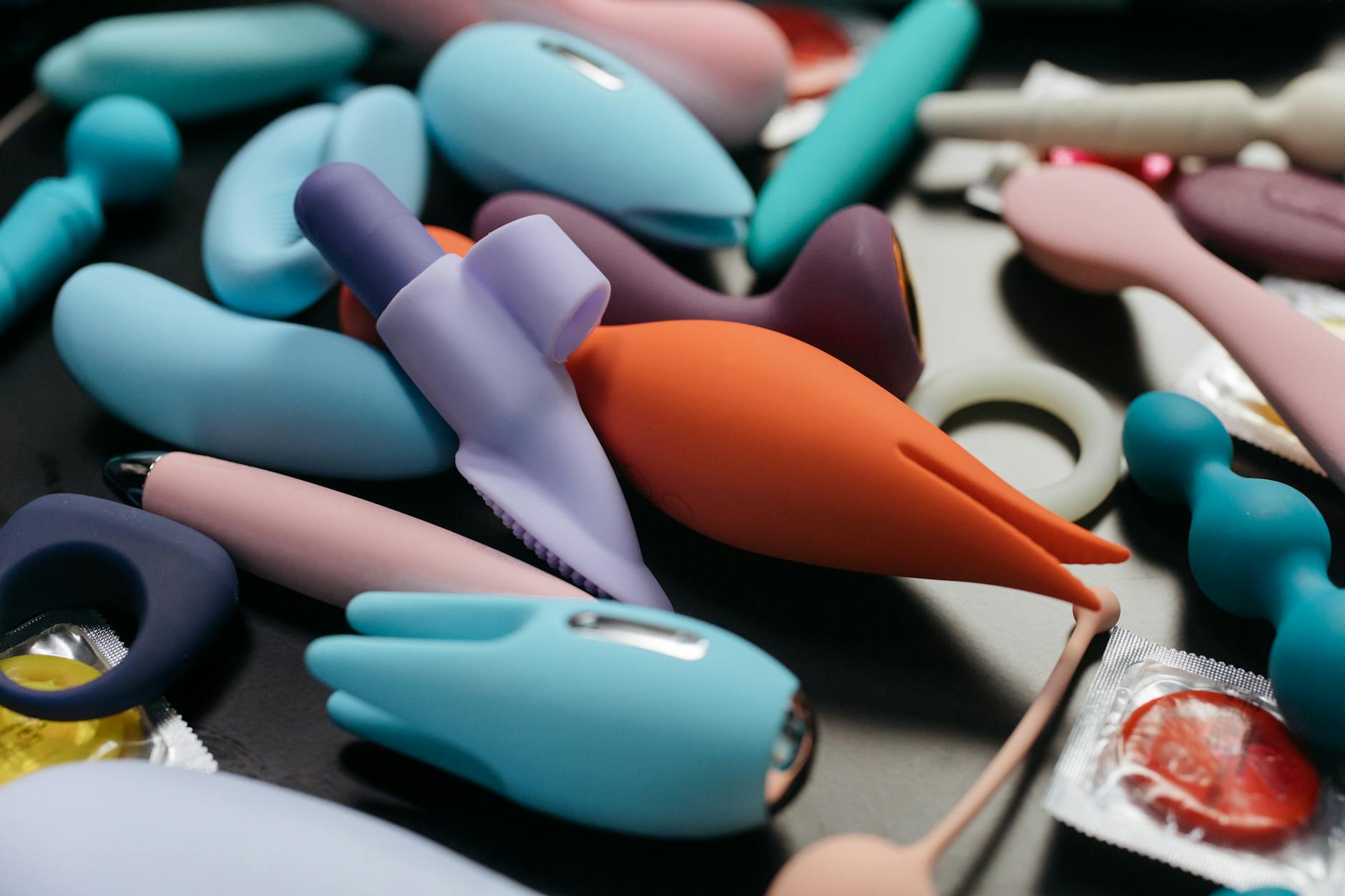
Photo by cottonbro studio on Pexels
Pleasure doesn't end, it just requires translation
Hormonal shifts change the language your body speaks, but they don't revoke pleasure itself. The pathway is longer. The vocabulary is different. But the capacity for orgasm, for joy, for connection, is still completely there.
Lemon vibrators, with their unique suction-based approach, often feel like a breakthrough tool during this transition because they work with your body's new physiology rather than against it. You're not chasing pre-hormonal intensity anymore. You're discovering what pleasure looks like right now.
That's not a loss. It's a recalibration, and most people who navigate it carefully find that the pleasure on the other side feels richer, slower, and somehow more connected to their whole self rather than just one zone.
Frequently asked questions
How long does it take for sensation to come back after hormonal changes?
It depends on what caused the shift. If it's birth control related, sensation often improves within 2-4 weeks of switching. If it's perimenopausal or postmenopausal shifts, the timeline is longer but the nervous system can absolutely relearn sensitivity over months. Some people find that certain stimulation patterns help accelerate the process. Others find that sensation stabilizes at a new baseline. Either way, it's not permanent loss.
Can using my lemon vibrator on higher settings rebuild sensation faster?
No. In fact, jumping straight to high intensity can numb tissue further or cause discomfort. The nervous system learns sensitivity through sustained, medium-intensity stimulation over time. Think of it like sunburned skin. You don't heal it faster by exposing it to more sun. You let it recover gently and it comes back stronger.
Is reduced sensation after hormonal changes different from reduced sensation that comes with age?
Partially. Both involve hormonal shifts and tissue changes. But age-related changes are typically gradual and permanent, while hormonal shifts from birth control, pregnancy, or perimenopause can often be reversed or improved with treatment. Work with a provider who understands both variables if you're trying to figure out which is happening.
Should I try my lemon sucker toy if I'm experiencing pain during stimulation?
Not yet. Pain signals that something needs attention. Suction toys are gentler than many alternatives, but pain means your body needs time, treatment, or both before reintroduction. Talk to your doctor about what's causing the discomfort first. Pain is information, not stubbornness to push through.
Will switching to a different clitoral vibrator help if my lemon vibrator suddenly feels wrong?
Maybe. But before you switch toys, switch techniques. Try different patterns, placements, lube, and warm-up times. Most people find that the same toy feels completely different once they adjust their approach. That said, if suction stimulation just doesn't work for your new sensitivity, a traditional vibrator or wand might feel better. Test it before buying.
Can hormonal birth control be adjusted to reduce the sensation dulling?
Yes. Some formulations suppress arousal less than others. If you suspect your birth control is the culprit, talk to your prescriber about switching to a lower-dose pill, a different progestin, or a non-hormonal method. It's worth trying, and the change can be dramatic.
The bottom line
Reduced sensation after hormonal changes is real, common, and absolutely workable. Your lemon vibrators aren't obsolete. You're not broken. Your body is just speaking a different language, and it's entirely possible to become fluent in it again. Start low. Be patient. Work with your body's new physiology instead of against it. And if something feels off beyond just sensitivity, check in with a doctor. You deserve pleasure that feels good right now, not a year from now or only in theory.
If you're navigating relationship shifts around these changes, consider talking to a partner about lemon clitoral vibrators to make sure you're both on the same page. And if you're completely new to lemon suction toys, take your time with introduction. Your nervous system will thank you.