
Let's name the friction nobody talks about
You're aroused and ready in five minutes. Your partner needs twenty. Or the opposite. One of you peaks fast, the other plateau-jumps around the five-minute mark and stays there for a while. The result: someone's waiting, someone's frustrated, and both of you feel like you're solving a math problem instead of having sex.
This isn't a sign that you're incompatible. It's one of the most common rhythms in partnered sex, and lemon clitoral vibrators were basically designed to solve it.
Why timing mismatches happen (and why it's not your fault)
Arousal doesn't work on a synchronized clock. Physiologically, one partner might have a naturally faster neurological response to stimulation. Hormones cycle differently. Stress loads are different. One person might need mental foreplay; the other, physical. One might be tired. One might be distracted. And yes, sometimes one partner has simply had fewer orgasms in their life and hasn't yet learned the pathway their body takes.
None of this is fixable by trying harder or communicating more. It's wired in. And the moment you treat it as a problem to solve with willpower, you've already lost.
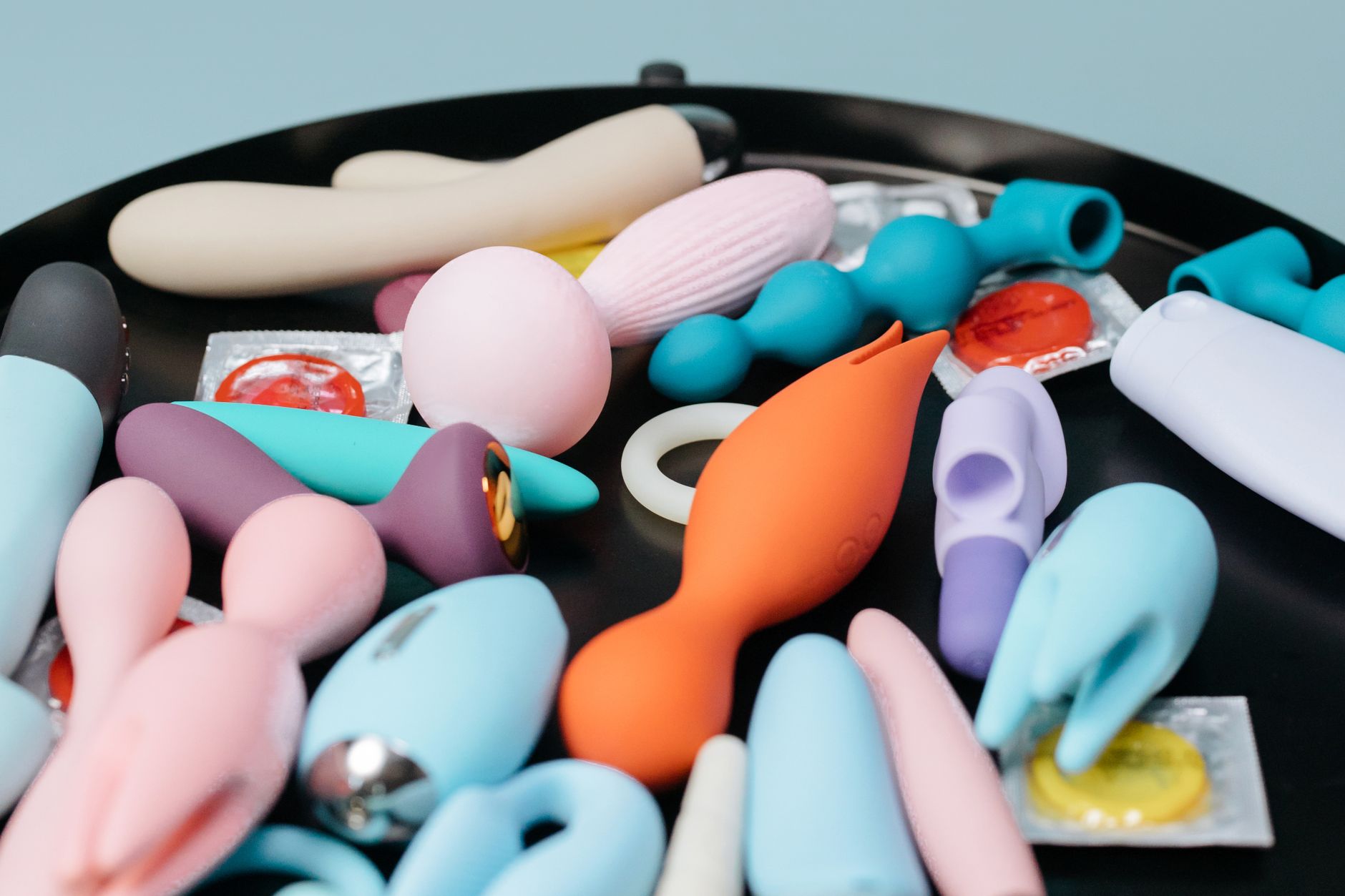
Photo by cottonbro studio on Pexels
The lemon vibrator strategy: independent pleasure on a shared timeline
Here's what changes everything. Instead of trying to sync your bodies, you desync them intentionally. The faster-aroused partner uses a lemon suction toy while the other partner does whatever they need to do. Foreplay. Penetration. Manual stimulation. Whatever. The vibrator isn't a prop in someone else's pleasure. It's a parallel track.
This works because lemon vibrators like the Lem vibrator are designed to deliver intense, targeted stimulation to the clitoris without requiring a partner's involvement. One of you can be in the zone with a lemon clitoral vibrator while the other builds arousal at their own pace. No waiting. No performance anxiety. No one's climax is holding the other hostage.
What matters: the faster partner uses the vibrator early, during foreplay, so they're already aroused when the slower partner catches up. Then penetration, partnered touch, or continued vibration happens at a pace that works for both of you.
The setup that actually works
Talk about this before you're in bed. Not during, not after. When you're both clothed and calm. The conversation sounds like: "I notice you usually need more time to get there, and I'm usually ready faster. I'd like to try using a lemon vibrator during foreplay so I'm warmed up when you are. How does that feel?"
If they say yes, buy a lemon adult toy together, or order one and keep it somewhere accessible. The Lem vibrator is a good entry point for couples because it's intuitive, not intimidating, and extremely effective on sensitive tissue. But the product matters less than the agreement.
Then, in practice: start with the vibrator while you're kissing, touching, or doing whatever foreplay you normally do. The faster-aroused partner uses the Lem vibrator while the slower partner does their thing. No performance. No audience. Just two people building toward sex at their own pace.
What changes about penetration or partnered touch
Now here's the good part. Once the faster partner is already aroused, the timing pressure dissolves. You can have penetrative sex and the faster partner isn't worried about climaxing too soon because they're already satisfied. They can focus on their partner's pleasure without distraction.
Or, you keep the vibrator in the mix. Some partners like continued stimulation during penetration. Some don't. The lemon clitoral vibrator works alongside penetration because it targets a different set of nerves than what's being stimulated inside.
If the slower partner wants continued vibration during sex, they can use it themselves while you move together. If they want your hands instead, you can pause the vibrator and go back to manual touch.
The key: nothing is forced. Nothing is rigid. You're collaborating in real time.
The orgasm timing question (do they need to sync)
Honestly? No. This is cultural noise, not physiology. Two people don't need to orgasm at the same time to have satisfying sex. In fact, stressing about it ruins the experience for both of you.
What matters is that both people get to have pleasure. Whether that happens simultaneously or sequentially is irrelevant. One partner can have an orgasm, stay aroused, and continue stimulation for the other. Or they can take turns. Or one person might not have an orgasm during that session and genuinely be fine with it because they had pleasure without the pressure of a deadline.
When the faster partner feels selfish
This is the emotional snag nobody brings up. If you finish first, you might feel like you're abandoning your partner, or like you should wait, or like your faster response is somehow rude. None of that is true.
Your arousal pattern isn't selfish. It's information. And when you use that information to get yourself satisfied early (with a vibrator, with a partner's touch, however), you're actually creating more time and headspace for your partner's pleasure because you're not in your own head anymore.
After the first orgasm, you have room to pay attention. To experiment. To be generous. That's not selfish. That's the opposite.
The slower partner's perspective
If you're the one who needs more time, you might feel like the vibrator is a shortcut for your partner, not a tool. It's worth reframing. Your partner using a lemon suction toy early means they're not checking the clock during your arousal. They're not getting frustrated. They're not switching into a performance mindset.
That freedom is for you. It's so that you have the mental and physical space to build arousal without an audience, without guilt, without rushing.
Practical tips for the first time
Start with the vibrator during foreplay, not during penetration, if you're new to this. Let yourself get used to the sensation and the presence of it without adding the complexity of simultaneous penetration. That comes later, if you want it.
Use lube. Even if you don't usually, suction toys feel better with a light water-based lubricant. It reduces friction and lets the vibrator do its job without tugging.
One partner should control the vibrator. Either the person using it, or a partner who knows the pressure and pattern that works. Don't hand it over mid-session unless you've practiced.
Talk about what you felt afterward. Not in a clinical way. Just: what worked, what didn't, what you want to try next time. These conversations get easier the more you have them.
Why lemon vibrators specifically
Air-suction technology on lemon clitoral vibrators delivers stimulation differently than traditional vibration. The sensation is more intense, more focused, and for many people, faster. That's actually perfect for timing mismatches because the faster-aroused partner can get there quickly and stay there, and the slower partner isn't watching a clock.
Plus, lemon adult toys are intuitive. There's no complexity. You turn it on, you feel it, you adjust the intensity. No learning curve means less anxiety, and less anxiety means better arousal.
FAQ
Is it normal for partners to have different arousal timelines?
Completely normal. Most couples do. Physiology varies widely. One person might have faster nerve response. One might need more mental engagement. One might be carrying stress or fatigue. None of these are problems. They're just the reality of two different nervous systems trying to sync up.
Will using a vibrator together bring us closer or push us apart?
That depends entirely on how you frame it. If a lemon vibrator is presented as "you're too slow" or "I can't wait for you," it creates distance. If it's presented as "I want us both to feel good without pressure," it brings you together. The tool doesn't matter. The intention does.
What if one partner feels insecure about the vibrator?
Address it before you use it. Often, insecurity comes from a false belief that the vibrator is a replacement for partnered touch. It's not. It's a supplement. It's a way to build arousal in parallel so that when you come together, it's on equal footing. That's actually more intimate, not less.
Can I use a lemon clitoral vibrator during penetration?
Yes. External vibration during penetration can feel amazing for some people and overwhelming for others. The only way to know is to try it gently and check in. Start with low intensity. The vibrator targets the clitoris while penetration targets internally, so they're not competing for the same sensation.
What if one partner never reaches orgasm, even with the vibrator?
That's a separate conversation, and it might need professional input. An orgasm barrier can be physiological, medical, or psychological. A therapist or sex educator can help you understand what's actually happening. A vibrator alone isn't a fix for that kind of block, though it can help.
How do I introduce the idea without making my partner feel bad about their timing?
Don't frame it as a problem. Frame it as an experiment. "I'd like to try something that might feel good for both of us," not "you take too long." Suggest buying or ordering together if possible. Make it collaborative, not corrective.
The bottom line
Mismatched arousal timelines aren't a relationship failure. They're just bodies being bodies. And lemon vibrators, specifically, are excellent at giving each person the time and space they need without making the other person feel abandoned or impatient. Your pleasure timelines don't have to match for your sex to be good. They just need to be respected.
Ready to experiment? Start the conversation this week. Order together. Set an expectation that the first time might feel awkward, and that's fine. Then try it, talk about it, and adjust. That's the whole game.