Here's what nobody tells you about introducing a toy
Your partner is not going to feel threatened if you know what you want. Actually, the opposite is true. Most partners find it deeply attractive when someone shows up with clarity about their own pleasure. The anxiety lives in silence, not in honesty.
Introducing lemon vibrators, or any suction toy, to a new partner doesn't have to be uncomfortable. But it does require three things: timing, language, and a clear sense of what you're actually looking for. I've worked with hundreds of couples navigating this exact moment, and I can tell you that the difference between smooth and awkward almost always comes down to preparation.
The conversation before the bedroom
Don't introduce a lemon clitoral vibrator for the first time during sex. That's the worst moment to have a conversation about pleasure, vulnerability, or expectations. Have it before, when you're both clothed and thinking clearly.
The goal isn't to ask permission. It's to share something about yourself. Here's what that sounds like: "I've been using this clitoral vibrator on my own, and it genuinely changes what I can feel. I'd love to try it with you sometime, but I want to make sure you're comfortable with that. What do you think?"
Notice what's happening there. You're not asking if it's okay to enjoy your body. You're saying that you do, that it works, and that you'd like to share it. That's radically different from "Is it weird if I use a toy?"
If your partner hesitates, ask why. Sometimes it's a simple misconception: they think toys replace partners, or that needing one means something is wrong. Sometimes it's a deeper insecurity. Both are fixable, but only if you know what you're dealing with.
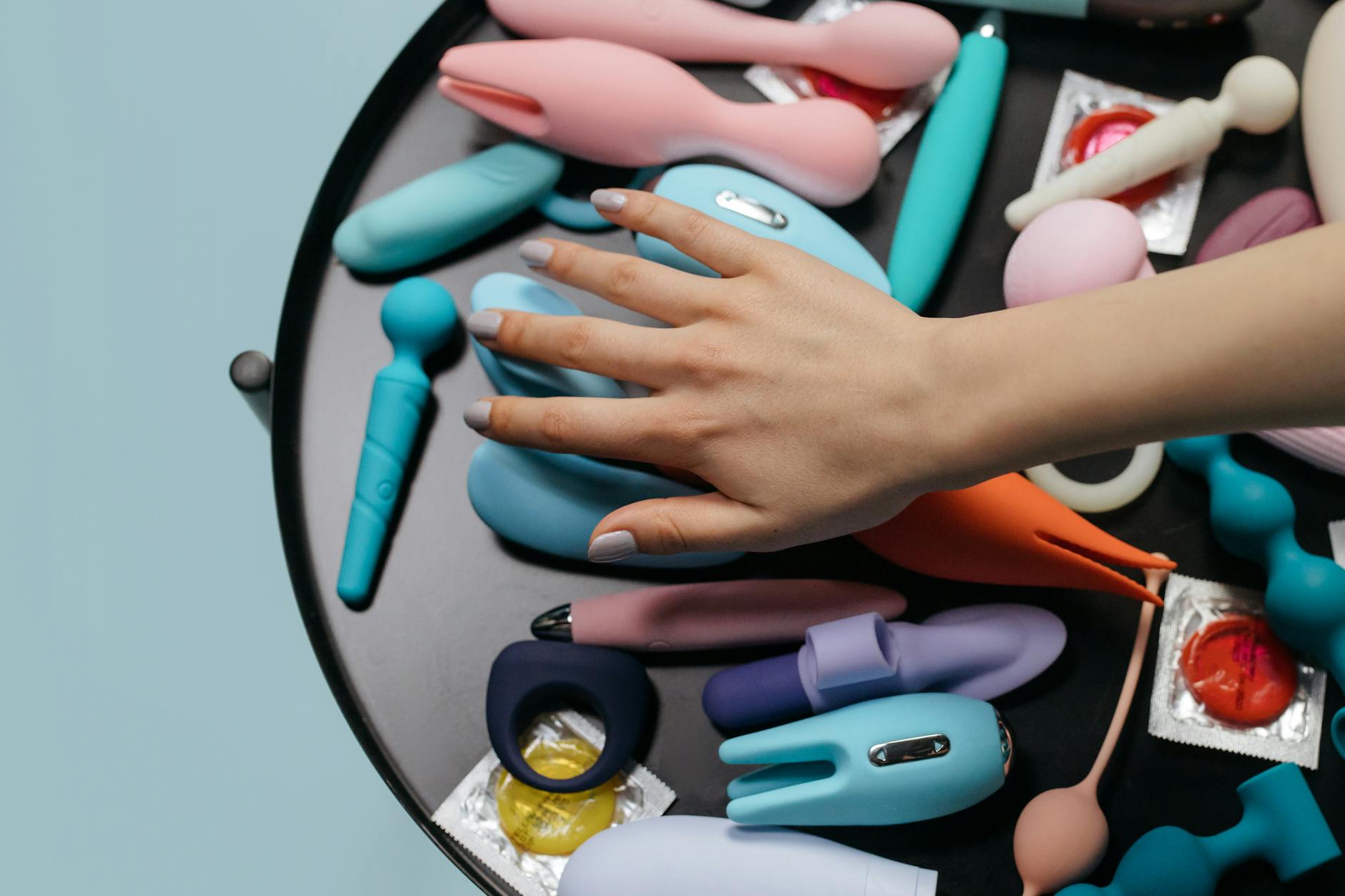
Photo by cottonbro studio on Pexels
What lemon vibrators actually do (and what they don't)
One reason partners feel less threatened when they understand the mechanics. Lemon suction toys don't vibrate in a traditional sense. They use gentle suction that stimulates the clitoral nerves in a way fingers, friction, or standard vibrators typically don't. For many people, this creates sensations that are impossible to replicate alone.
For your partner to feel confident, they need to know this isn't about your body failing. It's about specific nerve endings responding to specific stimulation. When you explain it that way, it stops sounding like rejection.
Also mention: you can absolutely use a lemon vibrator together. It's not solo equipment. Your partner can hold it, you can guide it, they can watch your face. The toy isn't replacing them. It's adding a layer of sensation that makes the whole experience more intense.
Starting with lower intensity and shorter sessions
New partners often worry they'll "do it wrong" with a toy. Reduce that friction immediately by being the expert. You know your body. You know how the lem vibrator works. You know what feels good.
Start on the lowest intensity setting. Even if you normally use pattern 3 or 4 when alone, dial it down for the first partnered session. You want to build the sensation slowly, partly for your body's sake, and partly because it gives your partner a chance to watch what happens. They'll see your breathing change, feel your body respond, and understand what this is actually about.
Keep the first session to about 10-15 minutes of toy time. Not because that's a strict limit, but because introducing something new is a lot of sensory and emotional information at once. You don't need to chase an orgasm. You're learning what this feels like together.
How to guide your partner through using it
Your partner doesn't need to have used a suction toy before. Most haven't. So talk them through it, and be genuinely appreciative when they try.
Start by showing them how you use it alone. This isn't performance. It's education. Let them see the angle, the pressure, the rhythm. Then guide their hand. Put your hand over theirs and show them what pressure actually feels good. You're not criticizing. You're teaching.
The lem vibrator, specifically, responds well to steady pressure rather than constant movement. Once your partner understands that, they can hold it at the angle that's working and let the suction do the work. That's actually easier than managing a traditional vibrator, which requires more active positioning.
If discomfort shows up, stop. Not because something is wrong, but because the whole point is that this feels amazing. Adjust the angle, lower the intensity, add more lube, take a break. Discomfort is information. It's your body saying "not quite right yet," not "this isn't for us."
What to do if the first time feels awkward
Most people feel awkward the first time. You're introducing a new object, a new conversation, a new layer of vulnerability. Awkwardness is not failure. Expecting it to be seamlessly erotic is the real mistake.
Laugh if something feels weird. Pause and adjust. Try again. The goal isn't a perfect first experience. The goal is that both of you feel heard, that you know your partner is game to explore, and that you're building toward something better.
One common hitch: your partner worries that you're not satisfied with them. This is the moment to name it directly. "I love being with you. This isn't about you not being enough. This is about adding something I know works for my body. I want you to be part of this." Say it again if they seem uncertain. Partners aren't mind readers, and they often carry more insecurity than they show.
Building a shared pleasure vocabulary
Over time, you and your partner will develop shorthand for what works. You'll learn whether they prefer holding the lemon vibrator, or you guiding their hand, or you managing it yourself while they focus on other parts of your body. You'll discover which patterns work best for both of you. You'll figure out whether using it during intercourse intensifies things, or whether it works better before or after.
This is the real work, and it's not uncomfortable. It's actually the best part. You're speaking a shared language about pleasure. You're checking in. You're paying attention. Partners who can do that are partners who feel connected.
If you've never had this kind of open conversation about sex, introducing a toy is actually a gift. It gives you a reason to start.
When to bring in a lemon sucker toy specifically
Lemon clitoral vibrators are particularly good for partnered use because they're intuitive once you understand the suction mechanism. If your partner has never used a toy before, I'd actually recommend starting here rather than with traditional vibrators. The learning curve is smaller, and the sensation is distinctive enough that your partner feels like they're genuinely adding something new to your experience.
The Lem vibrator, for instance, is quiet, discreet, and works best with steady pressure. Your partner can hold it while kissing you, or while you touch them. It doesn't require constant adjustment. Those qualities make it feel less performative than some alternatives.
Timing matters more than you think
Introduce a lemon vibrator when you're both relaxed, fed, rested, and not stressed about being overheard or interrupted. That rules out most weeknights if you have roommates or thin walls. Plan for it. Make it intentional. That removes a layer of anxiety.
Also, wait until you've built enough physical comfort with your partner that you know roughly what they like. You don't need years of history. But three or four good encounters in gives you a foundation. You know their rhythm, their preferences, whether they're playful or serious. That context helps enormously.
How to handle if your partner stays uncertain
Some partners will come around immediately. Some will take time. If your partner says "I'm not sure," that's not "no." It's "I need more information, or time, or reassurance." Ask what would help. Would it help if they researched suction toys first? Would they feel better watching a how-to video? Would they prefer to use it together without any expectations around orgasm the first time?
If your partner consistently resists, that's a different conversation, and it often points to deeper beliefs about sexuality, bodies, or intimacy. That's where a couples therapist can actually help. Sometimes what looks like "they don't want toys" is really "I'm scared intimacy will change if we introduce new things" or "I'm worried my body isn't enough." Those beliefs shift with support, not pressure.
But most of the time, partners are just uncertain until they understand what's actually happening. Then it becomes exciting.
People also ask
Will using a lemon vibrator make my partner feel inadequate?
Not if you're clear that this is about your body's response to specific stimulation, not about your partner's performance. The more you normalize it as "this is how my body works," the less it feels personal to them. Partners worry when toys feel like criticism. They feel connected when toys feel like exploration.
Can you use a lemon clitoral vibrator during partnered intercourse?
Yes, absolutely. Some people use it during, some before, some after. Experiment and see what feels good. If your partner is inside you and you're using the lem vibrator on your clitoris, that combination can feel intense. Make sure there's enough lube, and that your partner knows what you're doing so there's no confusion about what's causing the sensations.
What if my new partner suggests using a toy before I do?
That's great. They're giving you permission to explore something that excites them. Have the same conversation in reverse: ask what they're hoping it will add to your time together, and whether they have experience with lemon vibrators or if you'd be introducing them together.
How long should you wait into dating before introducing a toy?
There's no rule. Some couples introduce toys on date three. Some wait months. The marker is less about time and more about emotional safety. You should feel secure enough to be vulnerable about what you want. Your partner should feel secure enough to hear it without defensiveness. That's the readiness threshold, not a specific date.
Should you tell a new partner you already own a lemon vibrator?
Yes. Honesty here pays off. You don't need to treat it like a confession. "I have a few toys I use on my own" is enough. If they ask questions, answer them. If they seem interested, share what you know. If they seem uncomfortable, ask why. You're building trust by being direct.
What's the best lemon vibrator for couples who are new to toys?
Start with something straightforward and intuitive. The Lem vibrator is quiet, effective, and has a learning curve that's short enough that your partner won't feel overwhelmed. You want a toy that works so well that your partner gets to see why you love it, not one that requires troubleshooting.
The real gift of talking about this
Introducing a toy to a new partner isn't just about pleasure. It's about building a relationship where you can ask for what you want, where your partner can lean into your desires without feeling threatened, and where both of you can feel genuinely known. That foundation matters for everything else.
Most relationships that last benefit from the ability to say "here's something that matters to me, and I'd like to share it with you." Toys are just the vehicle. The actual conversation is about creating space for each other's bodies and desires.
Start with the conversation. The rest follows naturally.
Want more guidance on navigating intimacy with a partner? How to Talk About Lemon Clitoral Vibrators With Your Partner covers deeper communication strategies. Or explore How to Make Lemon Vibrators Feel Amazing With a Partner for hands-on techniques once you're both ready. If you're still building confidence, Best Lemon Vibrators for Beginners Nervous About Suction walks through choosing the right toy for your comfort level. Questions? Get in touch anytime.