Pleasure doesn't end at the OR door. It takes a different route.
Let's be real. If you've had pelvic surgery—whether hysterectomy, fibroid removal, endometriosis excision, or injury repair—the idea of sexual pleasure probably feels either impossible or years away. Your body is healing. Scar tissue is forming. You've been told to avoid penetration, heavy lifting, and "strenuous activity" (which always feels like code for "everything fun"). And then there's the weird gap between "cleared for light activity" and "ready to feel like yourself again." Most people get stuck in that gap.
The good news: you don't have to choose between healing and pleasure. You can do both. And tools like lemon clitoral vibrators—specifically those using air-suction technology rather than direct vibration—work really well for this exact moment because they don't require anything that's still healing.
Why post-surgery pleasure feels different
Three things happen after pelvic surgery that change sensation:
First, nerve endings take time to wake up. If the surgery involved tissue removal or manipulation anywhere near your clitoris or pelvic floor, some nerves go quiet for weeks or months. This isn't permanent. It's just waiting. Some people report numbness, some report heightened sensitivity, some report both in different spots at different times.
Second, scar tissue affects how sensation travels. Your clitoris has thousands of nerve endings packed into a tiny area. When surgery happens lower in the pelvis—hysterectomy, ovarian surgery—the referred sensation still works, but it might feel muffled. It's like someone's turned down the volume instead of turning off the switch.
Third, your pelvic floor is doing serious rebuilding work. That muscle group doesn't just control orgasms. It supports your organs, stabilizes your core, and holds sensation. After surgery, it's exhausted and protective. Tensing up is its job right now.
None of this means pleasure is gone. It means the pathway is rewiring.
The timing question: when is it actually safe?
Here's where I need to be direct: I can't clear you for anything. Your surgeon can. So your first move is asking them specifically: "When can I have sexual stimulation that doesn't involve penetration?" Some surgeons will clear external clitoral stimulation before they clear internal touch. Others want to wait longer. Get that timeline in writing if you can.
That said, most pelvic surgeons clear external clitoral touch (no penetration) around 4-6 weeks post-op, once basic healing is done. Some want 8. If you had a major surgery or complications, it might be 12 weeks or longer. These timelines exist because your body is literally rebuilding tissue, not because doctors are being overcautious.
The key word: external. Air-suction vibrators like the Lem work entirely externally. No insertion. No pressure on internal healing tissue. That's why they're such a smart choice during this window.
How lemon vibrators fit into recovery specifically
Lemon sexual toys using air-suction technology are built on a different mechanical principle than traditional vibrators. Instead of a motor oscillating against tissue, suction gently pulls the clitoral tissue upward into the device. This creates stimulation without direct friction.
For post-surgical bodies, this matters because:
It avoids pressure. You're not grinding anything against sensitive tissue. You're applying gentle, rhythmic suction. That's a fundamentally different sensation—and it's one that typically feels good even when direct touch feels raw or overstimulating.
It's adjustable from the first use. The Lem has multiple intensity levels. You can start at level 1, which feels almost subtle—more like a gentle pulling sensation than aggressive vibration. Most people who start post-op healing can tolerate this when they couldn't tolerate traditional vibrators.
Sensation builds slowly. Because suction works differently than vibration, arousal tends to build in waves rather than all at once. That rhythm often feels more natural, especially when your nervous system is still recalibrating after surgery.
The practical first steps
You're cleared for external stimulation. Now what.
Step one: solo exploration. This isn't about performance or reaching any goal. Spend a few sessions (maybe 10-15 minutes, no pressure) just feeling. Use lube. Use the lowest setting. Notice what feels tolerable, what feels good, what feels meh, what feels like "not yet." You're mapping your own nervous system right now, not chasing an orgasm.
Step two: warm-up matters more than usual. Your body was told to be protective for weeks. Give it time to actually want this. 20-30 minutes of non-sexual touch, kissing, or just being close to a partner (if you have one) tells your nervous system "this is safe now." Then introduce the lemon vibrator.
Step three: start externally, not internally. Even if you've been cleared for light penetration, skip it for now. Clitoral stimulation through air-suction is plenty, and it avoids any pressure on scar tissue or internal healing.
Step four: talk to any partner about what's realistic. Recovery isn't sexy, and that's okay. Your partner probably wants reassurance that this is healing, not rejection. "I want to reconnect with my own pleasure first so I know what feels good to my body again" is a completely fair boundary. You're not closing them out. You're doing the prep work for actual intimacy later.
Common challenges and what actually helps
You might hit numbness. Some people report their clitoris feels like it's behind glass for a few months. This is temporary. Gentle, repeated stimulation—not aggressive—actually helps wake up nerves. The Lem's lower settings work better here than traditional vibrators because they don't over-stimulate already-tired nerve endings.
You might hit hypersensitivity instead. Everything feels too intense. In this case, use lube more generously (water-based is fine), start at level 1, and give yourself permission to stop after 5 minutes. Your nervous system isn't broken. It's flooded. Frequent, short sessions often work better than rare, long ones.
You might hit grief. You had your body and your pleasure stolen from you, even temporarily, even for good reasons. That sucks. Reconnecting might bring up emotions alongside sensation. That's normal. It doesn't mean something is wrong. It means you're genuinely healing, not just physically.

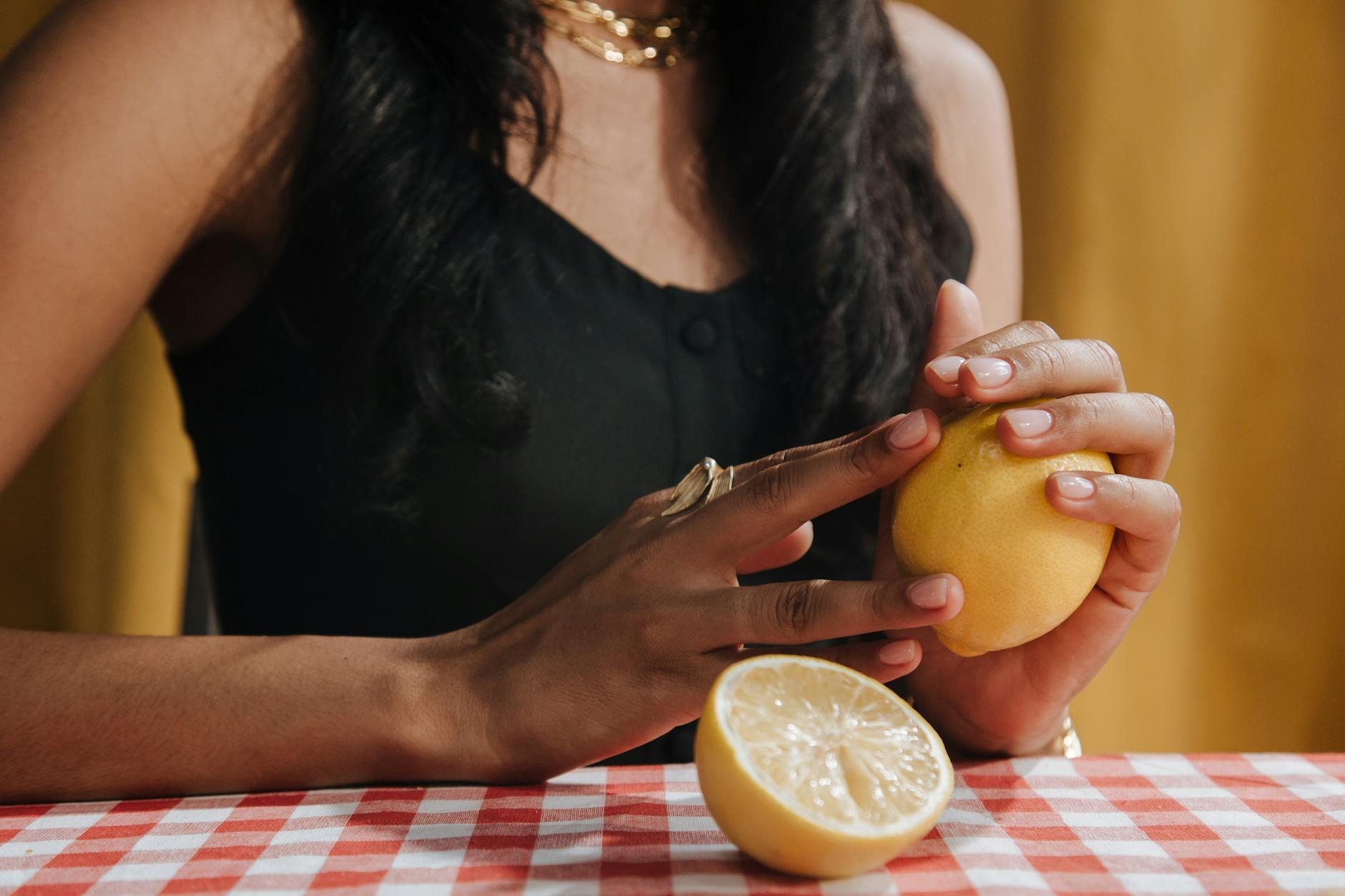
Photo by cottonbro studio on Pexels
Why air-suction beats traditional vibration here
If you've used lemon clitoral vibrators before your surgery, the sensations might feel different now. That's not a problem—it's actually useful information. Some people find that what worked pre-surgery feels too aggressive during recovery. The Lem's adjustable suction lets you meet your nervous system where it actually is, not where you think it should be.
The building sensation that comes with suction also tends to feel more organic during recovery. It mimics the way your body naturally builds arousal when you're not in "perform" mode. And right now, you're definitely not performing. You're rebuilding.
When to involve a partner again
If you want to reconnect sexually with a partner during recovery, the progression usually works like this:
First, solo sessions with the lemon vibrator to know what feels good to you. Second, your partner present but not actively involved—maybe touching you elsewhere while you use the vibrator yourself. Third, your partner using the vibrator on you while you guide them on pressure and speed. Fourth, if you're both ready, other forms of intimacy beyond genital stimulation.
Penetration comes later, and only when both your surgeon and your nervous system say yes. That might be 8 weeks. It might be 6 months. There's no timeline that's "behind."
Most couples who move through recovery together say that the slowness forced them to actually pay attention. Pleasure became intentional instead of default. Whether that's true for you, I don't know. But it's possible.
FAQ: recovering with lemon vibrators
Can I use lemon vibrators if I'm still in the acute post-op window?
Not yet. Acute healing (the first 2-3 weeks) is about rest. Your body is literally closing tissue. Once you're past that and cleared by your surgeon for external stimulation, yes. Before that, no. The timeline your surgeon gave you exists for a reason.
Will using a vibrator while healing make my scar tissue worse?
Not if you follow your surgeon's clearance timeline and start with low intensity. Scar tissue forms over weeks and months as part of normal healing. Gentle external stimulation doesn't interfere with that process. Aggressive stimulation, or stimulation too early, could. That's why starting low and staying external matters.
What if sensation feels completely numb down there?
Numbing after pelvic surgery is common and usually temporary. Gentle, repeated stimulation with the lowest setting often helps wake up nerves faster than waiting alone. But if numbness persists beyond 3-4 months, mention it to your surgeon or a pelvic floor physical therapist. Sometimes there's something easily fixable that's just been overlooked.
Can I orgasm during recovery, or is that asking too much?
You might. You might not. Some people experience orgasm as soon as sensitivity returns. Others need months. The pressure to achieve orgasm during recovery is the opposite of helpful. If it happens, great. If it doesn't, you're still reconnecting with pleasure. That's the actual win.
My partner is nervous about me using a vibrator while I'm healing. How do I talk about that?
This usually means they're worried about either hurting you or being replaced. Invite them into the process. Explain that you're doing this to figure out what your body can tolerate so that when you're both ready for partnered intimacy, you actually know what feels good. Offer to show them the Lem, explain how it works, and ask them to hold your hand during a session if that helps them feel involved. Sometimes understanding the tool removes the anxiety.
When can I switch back to penetration?
Ask your surgeon, not the internet. Once you've been cleared, start slowly—maybe external clitoral stimulation for a few sessions, then very gentle internal touch with a partner's finger or a toy, then whatever else feels right. You're not in a race. You healed this long. You can take two more weeks to ensure internal touch feels good.
Should I worry that my pleasure will never feel the same again?
It probably won't feel identical. Some people say it feels better because they're less focused on performance and more focused on sensation. Others say certain things feel different but good-different. A few people do experience lasting changes in sensation and need to adjust expectations. That's worth a conversation with a pelvic floor physical therapist if it's worrying you. But "different" doesn't mean "broken." It usually means "reorganized."
The reset is real, and you get to define what comes next
Surgery interrupts your relationship with your own body, even when it's medically necessary. Reconnecting with pleasure afterward isn't frivolous. It's how you tell your nervous system "we're safe again." Lemon clitoral vibrators, especially air-suction models like the Lem, give you a way to do that without risk, without pressure, and without pretending you're further along in healing than you actually are.
Start slow. Follow your surgeon's timeline. Use lube. Listen to what feels good versus what you think should feel good. And remember: you're not recovering lost pleasure. You're discovering what pleasure feels like to a body that's been through something.
If you're navigating partner dynamics during recovery, or if healing is bringing up emotional stuff you didn't expect, reach out. We're here to talk through it.