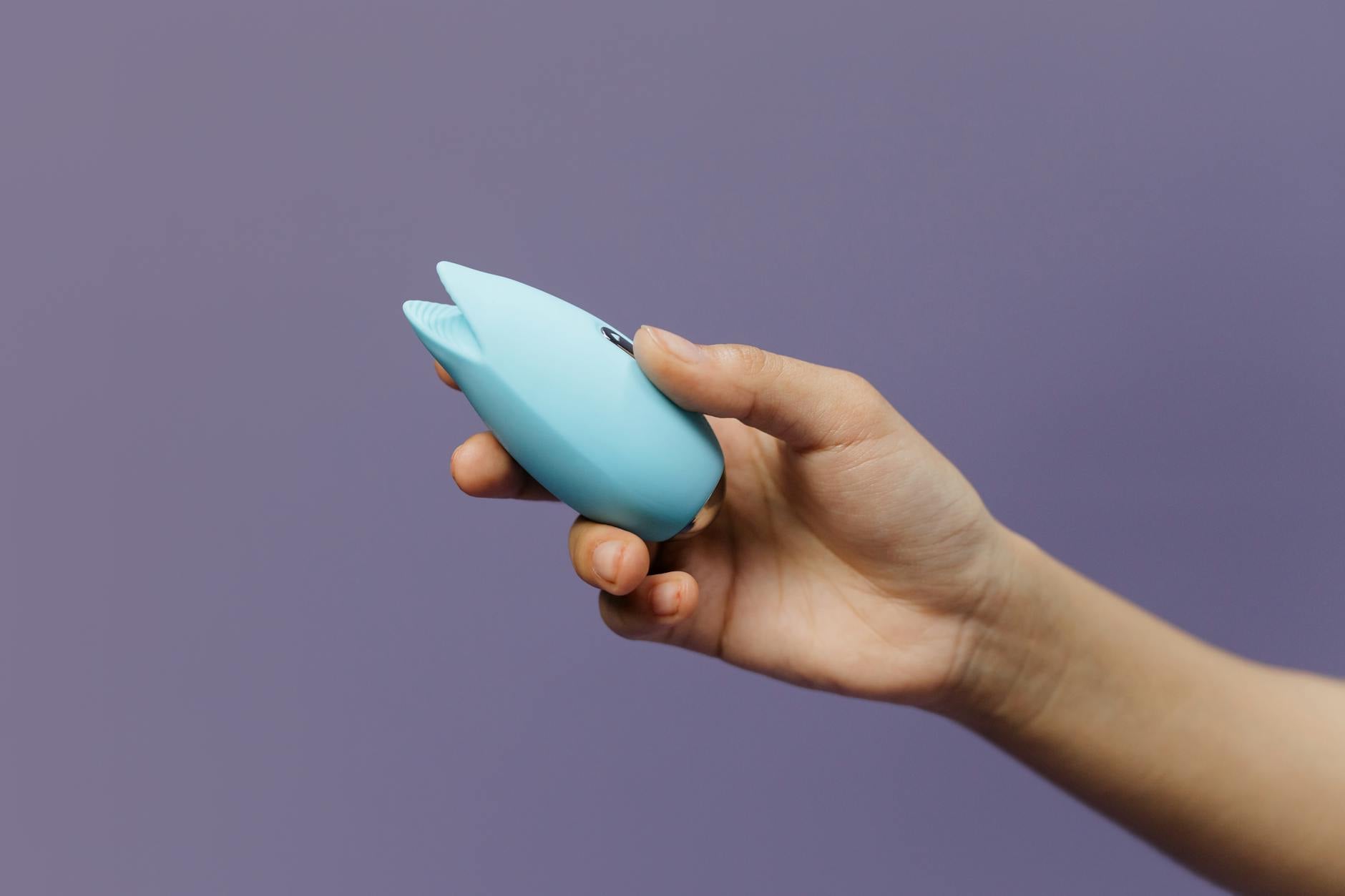
How to Use Lemon Vibrators When You're Rebuilding Pleasure After Low Libido
Libido crashes. Sometimes it's slow, sometimes it's sudden, and sometimes you wake up one day and realize you haven't thought about sex in three months. That flatness is real, and it's not a character flaw.
The harder part comes after. When desire starts creeping back, your body doesn't remember the old maps. Touch feels weird. Stimulation that used to work now feels neutral or overstimulating. Your brain is skeptical. Your nervous system is cautious. Starting again feels less like pleasure and more like homework.
This is where a lemon vibrator becomes genuinely useful. Not as a shortcut, but as a reset tool. Here's how to use one when you're rebuilding.
Why low libido kills sensation differently
When desire disappears for weeks or months, more happens than just "not feeling it." Your nervous system downregulates. Blood flow to the genitals decreases. The receptors in your clitoris become less responsive to stimulation because they haven't been activated. Your brain stops priming for arousal before you even touch yourself.
Then the shame layer gets added. You expect yourself to want this. Your partner might expect you to want this. So when you finally have a moment alone with a lemon vibrator, there's already a weight attached that has nothing to do with actual pleasure.
The point is: your body isn't broken. It's dormant. And dormant tissue needs a different approach than engaged tissue.
Start with zero pressure (literally and mentally)
Here's what doesn't work: setting aside "intimate time" and hoping it clicks. Here's what does: touching yourself in a context where nothing is at stake.
Pick a time when you're alone, not tired, not rushed, and absolutely not expecting anything to happen. Sunday afternoon. Tuesday morning. Whenever you can guarantee thirty minutes without your phone pinging or someone needing you.
Then tell yourself the goal is zero orgasms. You're not trying to come. You're not testing whether you still can. You're just gathering information about what feels good right now, in this body, at this moment. That's it.
The sensate focus approach (suction beats vibration)
When you're rebuilding, suction vibrators like the Lemon Clitoral Vibrator work better than traditional vibration. Here's why: suction stimulates without the same mechanical intensity. It creates sensation that builds more gradually. Your nervous system doesn't jump into high alert.
Start on the lowest setting. Lem vibrator models typically offer patterns 1-3 at gentler intensities. Run it over the outer labia first. Thigh. Pubic mound. Stay 2-3 minutes in each zone before moving to the clitoris itself.
This is called sensate focus, and it's the clinical gold standard for pleasure rebuilding. The nervous system needs time to recognize: this is safe, this is not dangerous, this is just sensation.
Wait at least five minutes before applying any suction directly to the clitoral head. Your tissue is sensitive after dormancy, and gentleness is not negotiable.
What to expect the first few times
Third or fourth session, you might feel something shift. Not an orgasm. Just a small pulse of sensation that feels different from numbness. That's the nerve endings waking up. That's information.
You might also feel nothing. You might feel irritation or overstimulation. You might feel disconnected from your body entirely. All of this is normal and none of it means you're broken.
The point of the first 2-4 sessions is not pleasure. It's data gathering and nervous system recalibration. Your brain is literally rebuilding the neural pathways that connect touch to sensation to pleasure. This takes time.
The timeline: patience is not optional
If low libido lasted six weeks, expect two to three weeks of rebuild work. If it lasted six months, expect four to eight weeks. If it lasted longer, expect longer.
This isn't arbitrary. Your nervous system genuinely needs time to rewire. Pushing harder doesn't speed it up. It actually extends the timeline because you end up frustrated, which signals danger, which makes your system clamp down tighter.
Instead of thinking "I should orgasm by week three," think "By week three, touching myself with a lemon vibrator should feel less foreign." That's the real marker of progress.
How to know if a partner should be involved
Let's be real: sometimes low libido happens in a relationship, and your partner's presence activates all the pressure and performance anxiety that killed desire in the first place.
If that's your situation, don't invite them to this phase. Rebuild alone first. Once sensation starts coming back and you can touch yourself with genuine curiosity instead of obligation, then you can think about involving them.
If you do involve your partner, the rule is the same: suction over vibration, patience over performance, and zero pressure to orgasm.
One strategy that works well is sensate focus as a couple, where one partner takes the lead while the other focuses purely on receiving sensation without any expectation of reciprocation or arousal. This removes the performance element while rebuilding trust between both nervous systems.
The emotional layer (the part that actually matters most)
Here's the honest part: restarting pleasure after a libido crash is not purely physical. It's emotional. Your body might have reasons to stay closed. Relationship stress. Burnout. Grief. Anxiety about your own desire. Trauma.n A lemon vibrator can restart sensation. It cannot fix what killed desire in the first place. If there's an emotional component, you might need to address that separately through conversation with your partner, time with a therapist, or a combination of both.
The vibrator is a tool for your nervous system. Your nervous system is listening to your brain, which is tracking what's actually happening in your life. Handle both.
When you start feeling sensation again
Once you've been doing this for two to three weeks and your body is starting to respond, you can experiment with slightly higher settings. Patterns 2-4 on a lemon clitoral vibrator. Longer sessions, maybe eight to ten minutes instead of five.
You might discover what you like differently now than before. Maybe suction feels perfect and vibration still feels wrong. Maybe you want pressure you didn't want before. Your body has changed, and that's not a loss. It's information.
If you've been using the sensate focus approach and your partner is ready, you can bring them into touch without the vibrator present. The reawakened sensation is still fresh, and sometimes human touch feels better once the nervous system has already started to trust again.
Troubleshooting: when nothing is changing
If you're three weeks in and you feel completely nothing, it's worth asking yourself some hard questions. Is there an underlying health issue? Are you actually rested enough? Is there a relationship dynamic or external stress that's still suppressing your body's signals?
Sometimes low libido is a body-level issue that needs actual medical attention. Thyroid problems, vitamin deficiency, medication side effects, or hormonal shifts can all tank desire. If you've been working at this for a month and nothing is shifting, a check-in with your doctor is worth it.
Also: don't get married to the lemon vibrator itself. Some people rebuild better with hands alone. Some people do better with a wand. Experiment. This is not about proving the vibrator works. This is about finding what works for you.
The bigger picture
Libido is not static. It crashes and restarts throughout life. Using a clitoral vibrator in the rebuilding phase is not a failure of your "natural" sexuality. It's a practical tool that matches where your nervous system actually is.
Low libido taught you something. Maybe you needed rest. Maybe your relationship needed attention. Maybe your body was setting a boundary. Once you've addressed that, restarting pleasure is just practical work. A lemon vibrator makes that work less frustrating.
Trust the process. Your desire will come back differently than it left, and that's okay.
People Also Ask
How long does it take to rebuild arousal after libido crash?
Typically two to eight weeks, depending on how long the crash lasted. The timeline is roughly proportional. A crash lasting one month usually rebuilds in two to three weeks. A crash lasting six months might take six to eight weeks of consistent, low-pressure exploration. The pace is individual and depends on whether underlying stressors have been addressed. Pushing faster than your nervous system is ready doesn't work. Patience is actually faster in the long run.
Is a lemon clitoral vibrator better than manual stimulation for rebuilding?
Not inherently better, but often easier. A lemon vibrator provides consistent, predictable stimulation that doesn't require coordination or creativity when your brain is already depleted. For some people, hands alone work fine. For others, the sensory input from suction feels more distinct and easier to track. Try both. There is no "should." What matters is what makes your nervous system feel safe and your body feel sensation.
Can I use a lemon vibrator if I have pelvic pain or vaginismus alongside low libido?
Start very gently, and consider whether the pain or tension is physical or nervous system-based. If it's purely muscular tension from low use, gentle sensate focus with a vibrator can help. If it's connected to trauma or serious pelvic dysfunction, a pelvic floor physical therapist is a better starting point than a vibrator. You can use both, but the order matters. Therapy first, vibrator as a tool within that work.
Should I tell my partner I'm using a lemon vibrator to rebuild arousal?
Depends entirely on your relationship dynamics and agreements. If you've discussed sex openly before, it's usually worth mentioning simply to remove secrecy. If your relationship has a lot of shame or control around sex, you might rebuild better in private first, then bring them into the process later. There's no universal answer. Do what feels honest and safe in your specific relationship.
What if I rebuild sensation but still don't want sex with my partner?
That's data too. Sometimes low libido is your body saying the relationship needs work. Sometimes it's saying you need rest. Sometimes it's saying this particular partnership isn't working anymore. Rebuilding physical sensation doesn't fix relational problems. If desire comes back solo but disappears with your partner, that's worth exploring with a couples therapist or on your own.
Can antidepressants or other medications be used alongside libido rebuilding with a vibrator?
Yes, absolutely. Many medications suppress desire as a side effect. If that's happening, it's worth discussing with your prescriber whether timing, dosage, or switching medications helps. Meanwhile, a lemon vibrator and sensate focus can restart sensation even while you're medicated. The goal is getting your body responsive again, then deciding if medication changes are necessary based on that responsiveness.
References
Sensate focus exercises have strong evidence behind them for sexual anxiety and arousal rebuilding. The technique was developed by Masters and Johnson and remains a standard clinical intervention for couples and individuals rebuilding sexual function. Recent research in The Journal of Sexual Medicine confirms that low-pressure, non-goal-oriented sexual exploration is more effective for pleasure recovery than forced initiation or performance-based approaches. Nervous system regulation through gradual exposure to sensation, rather than intense stimulation, aligns with trauma-informed somatic therapy principles and helps rebuild the neural pathways damaged by prolonged low desire.