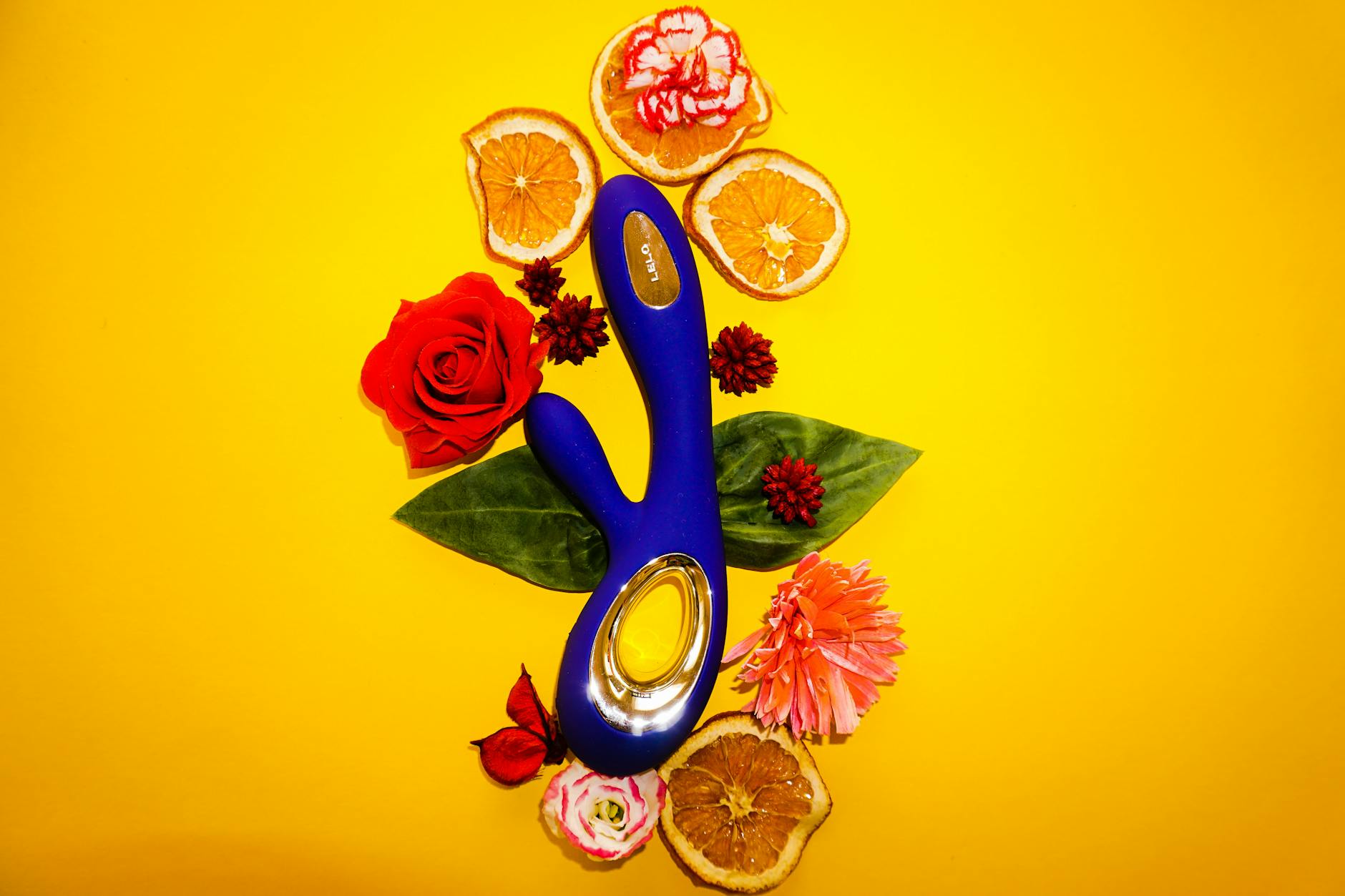
When libido comes back, it's not like flipping a switch
Honestly, you might not even recognize it at first. After months or years of feeling nothing, desire can show up as this weird, quiet thing. A moment of noticing someone's hands. A sudden thought during a shower. Maybe waking up and remembering what your body is capable of feeling. It's tender, and it's easy to dismiss it as nothing. Don't.
Long-term illness rewires a lot of things. Your nervous system learned to prioritize survival over pleasure. Your brain learned to ignore signals from below the neck. Your relationship to your own body shifted into something more clinical and necessary than sensual. When libido returns, you're not just picking up where you left off. You're relearning an entire language.
Why lemon vibrators are different for post-illness bodies
Three things happen physiologically when you're managing chronic illness: blood flow gets shallow, nerve endings become less responsive, and the pelvic floor tenses up as a protective mechanism. Vibration alone often doesn't cut through that. It can feel buzzy and distant, like you're trying to feel something through a wet blanket.
Lemon clitoral vibrators work with suction instead of pure vibration. That suction creates a seal and draws blood into the tissue, waking up nerve endings that have been quiet for a long time. It's also gentler than traditional vibration because it doesn't rely on aggressive friction. For bodies that are relearning how to receive pleasure, that matters enormously.
The Lem vibrator from Hello Nancy, for instance, uses a gentle suction pattern that mimics the sensation of oral stimulation without the physical demand. You're not grinding, you're not pushing, you're not performing. You're receiving.
The emotional part is just as important as the physical
When you've been sick, pleasure can feel frivolous or even selfish. You spent so much time managing pain or fatigue that your brain got really good at arguing against joy. "I should be resting." "I don't deserve this right now." "What if I have a flare tomorrow." These thoughts are real, and they're not silly. But they're also the reason many people don't reconnect with pleasure even after they're well enough to do so.
Using a lemon clitoral vibrator is an act of saying yes to your own body. Not in a performative way, not to prove anything to anyone else. Just you, alone, deciding that sensation and pleasure are part of recovery too.
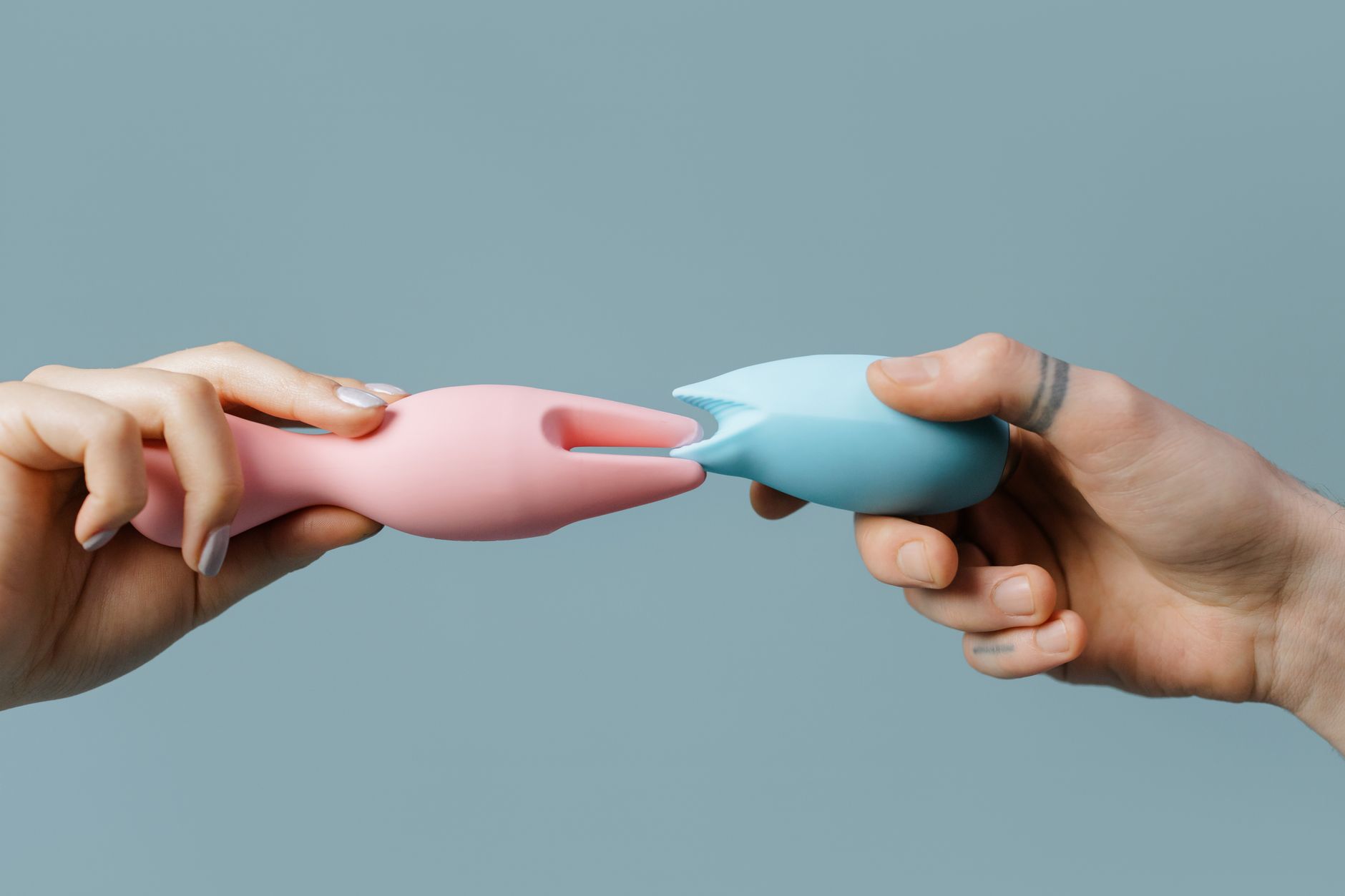 Photo by cottonbro studio on Pexels
How to start if you're nervous (and that's okay)
Give yourself permission to go slower than feels necessary. This is not a race. Your nervous system has learned a lot in the last however-long you've been unwell. It needs time to trust that sensation is safe, that pleasure won't trigger a crash or a flare.
Start with the lowest setting. On the Lem, that's pattern 1 or 2. Spend 10 minutes just exploring without any goal. You're not trying to have an orgasm. You're reacquainting yourself with what touch feels like. Notice textures, patterns, sensations. Let your mind wander. If you get distracted, that's not failure.
Water-based lube helps, even if your body is producing natural lubrication. It reduces friction and makes the experience feel smoother and more connected. Plus, it's a good signal to your nervous system that this is deliberate self-care, not something happening to you.
When to move to higher intensities (if you want to)
Not everyone wants to push past the gentle stuff, and that's completely fine. But if you're curious about what else is available, you can experiment after a few sessions of baseline exploration.
Some people notice that after a week or two of using lower patterns, their body starts asking for more. That's a real signal. It means your nerve endings are waking up and your nervous system is getting more confident. You can try pattern 3 or 4 next.
The key is listening to your body, not pushing because you think you should. If higher intensities feel uncomfortable or triggering, stay where you are. There's no finish line here.
What to expect emotionally
You might cry. Not because something's wrong. Because you're feeling something for the first time in ages. Pleasure, relief, grief, gratitude. All of these are normal. Let them move through you.
You might also feel nothing for a while, and then suddenly feel everything. Sensation can be unpredictable when you're relearning it. Some sessions will feel incredible. Others will feel mediocre or absent. This doesn't mean the lemon vibrators aren't working. It means your nervous system is still calibrating.
If you have a partner, you might feel pressure to perform or validate their experience. You don't. This is for you. If you want to include them eventually, that's a conversation for another day. Right now, pleasure is something you're rebuilding for yourself.
Fatigue and timing matter
One of the trickiest things about reconnecting with pleasure after illness is that your energy budget is real. If you're having a low-energy day, don't push. There will be other days. Using a lemon clitoral vibrator is supposed to feel good, not like another obligation you're squeezing into your recovery.
The beauty of suction-based toys is that they require less active participation than traditional vibrators. You can lie still and receive the sensation. That matters when energy is precious. You don't have to angle your hips or tense your muscles. You just exist and let your body feel what it feels.
Many of my clients find that having a lemon vibrator available actually makes it easier to notice when they have the energy and desire, because the barrier to entry is so low. You grab it, spend 10 minutes, move on. No elaborate setup, no guilt if you don't reach orgasm, no performance metrics.
Pleasure after illness is its own thing
You might notice that orgasms feel different now. Possibly more concentrated, possibly more diffuse, possibly quieter than you remember. Your body has changed, and that's not a loss. It's a shift. Getting curious about what feels good now, rather than chasing what felt good before, is where the real reconnection happens.
Many people find that pleasure after long illness is actually richer, because they're experiencing it as a choice rather than a given. They're present in their body in a way they couldn't be before. The stakes feel lower and the feeling feels deeper.
If you're struggling with pain during or after use, that's worth checking in with a doctor about. But if it's just the weird vulnerability of relearning pleasure, that's exactly where a lemon clitoral vibrator can help you. Low pressure, high sensation, entirely within your control.
FAQ
Can I use lemon vibrators if I still have active symptoms of my illness?
Yes, but adjust the intensity and duration. If activity causes fatigue or flare-ups, use the lowest setting and keep sessions short. The goal is pleasure, not exhaustion. Listen to your body's signals and stop if you notice any symptoms worsening.
Will using a lemon vibrator too soon hurt my recovery?
Not if you're gentle with yourself. Your nervous system needs permission to rest and to play. The two aren't mutually exclusive. If your doctor has cleared you for physical activity, you're cleared for pleasure too. Just respect your actual energy levels, not the energy levels you wish you had.
Is it normal to not feel anything the first few times?
Completely normal. Especially if your illness involved numbness or reduced sensation, nerve endings can take time to wake up. Keep using the lemon vibrator, stay at lower intensities, and be patient. Sensation often returns gradually, not all at once.
What if my partner wants to be involved but I'm not ready?
Tell them. Clear communication is the kindest thing you can do. You can say, "I'm relearning what feels good for my body. I need some solo time with this first, and then we can explore together later." Most partners respect boundaries when you name them directly.
Should I use lemon vibrators if I'm experiencing post-exertional malaise?
Use them during your good windows, not during or right after a flare. If you have a condition like ME/CFS, timing matters. Save pleasure for times when you have a little more bandwidth. Consistency matters less than listening to your actual capacity on any given day.
How do I talk to my partner about libido returning after I've been sick?
Start with "I've noticed my body is waking up again, and I want to explore that." That's it. You don't owe a detailed explanation or a timeline. If you want to introduce the idea of using a lemon vibrator together eventually, that's a separate conversation for later, when you feel more grounded in your own pleasure first.
The big picture
Your body remembers how to feel good. That memory might be buried under months of survival mode and medical appointments and pain management, but it's there. Using a lemon clitoral vibrator is a way of saying to your nervous system, "We're safe now. We can feel again." Some days your body will believe you. Some days it won't. Both are okay.
If you're curious about how different styles of stimulation feel, you might want to explore our guide on how lemon vibrators feel different when you switch from vibration to suction. And if anxiety is still showing up when you try to reconnect, there's real, practical help in our piece on using lemon vibrators when anxiety blocks your arousal.
Your pleasure matters. Not despite your illness, not after you're "fully recovered." Right now, as you are. That's where healing meets joy.