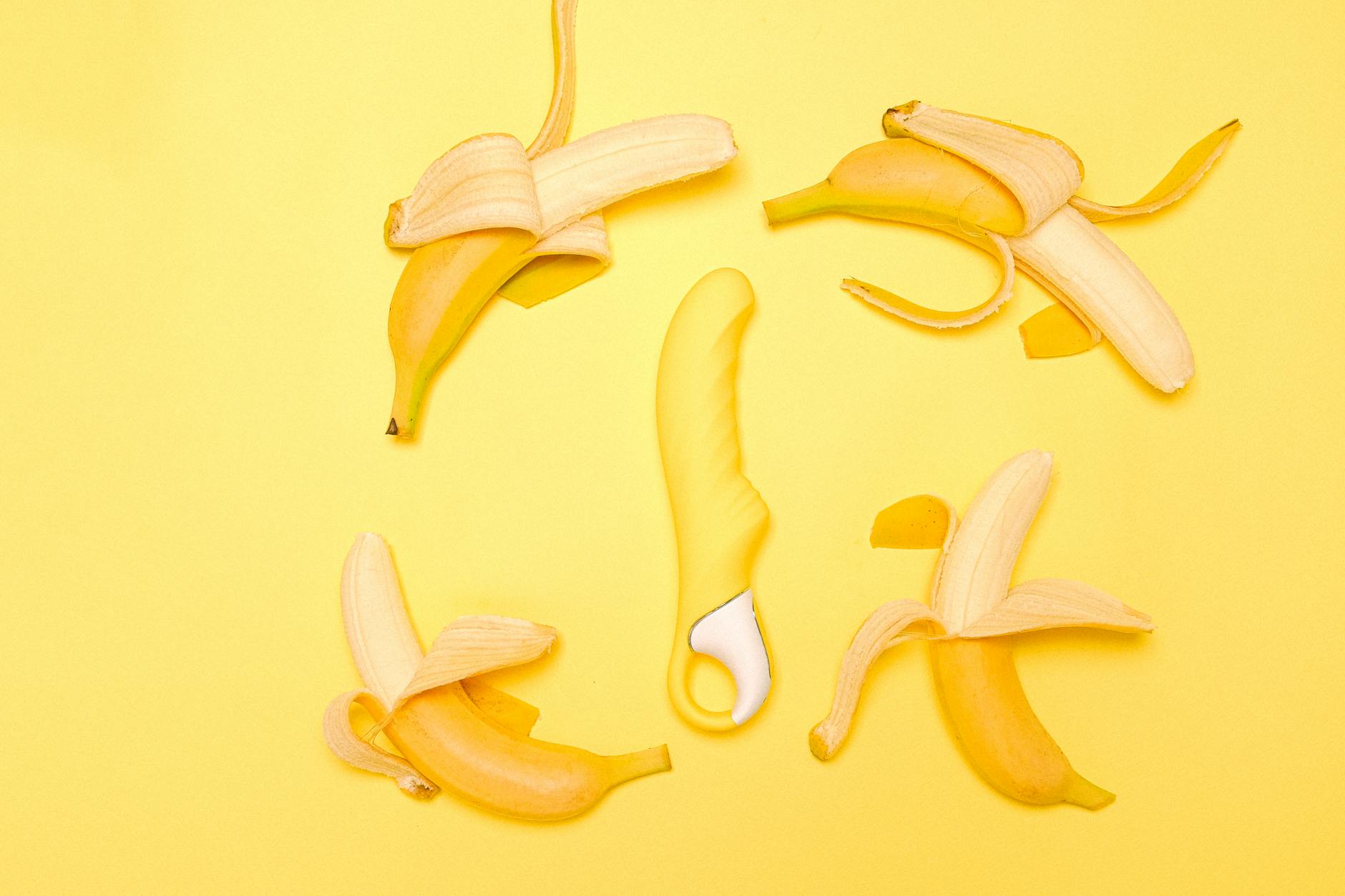
When hormones shift, pleasure shifts too
Let's be real. Hormonal changes mess with sensation in ways nobody properly explains. Estrogen and testosterone don't just affect your mood or your skin. They change how your clitoris responds, how quickly you get aroused, how intense orgasms feel, and what kind of stimulation actually works. Most people interpret these shifts as a personal failure instead of a straightforward biological adjustment.
They're not.
When you understand what hormones actually do to pleasure, using lemon vibrators becomes less about fighting your body and more about working with it. That's the difference between frustration and reconnection.
What hormones control (and what they don't)
Estrogen regulates tissue thickness, blood flow to the clitoris, and how quickly arousal builds. Testosterone drives desire itself. Progesterone affects how relaxed the pelvic floor can get. When any of these drop or shift, the mechanical response changes. Arousal might take longer. Orgasms might feel different. Direct pressure on the clitoris might feel too intense instead of perfect.
Here's what doesn't change: your brain's ability to feel pleasure, your clitoral nerve density, or your capacity to climax. You're not broken. Your input settings have just shifted.
Many people find that once they stop fighting the shift and adjust their technique instead, they discover orgasms that feel more intense or more localized than anything they felt before. It's not comeback sex. It's better sex.
Why lemon vibrators work particularly well during hormonal transitions
The Lemon Clitoral Vibrator uses suction stimulation instead of direct vibration. This matters hugely during hormonal shifts. When estrogen drops and tissue becomes more sensitive or thinner, suction-based stimulation distributes pressure across a wider area instead of concentrating it in one spot. You get intense sensation without the roughness that can feel uncomfortable on more delicate tissue.
The suction pattern also mimics how the body naturally responds to arousal, which means your clitoris can wake up more naturally. It's gentler entry than a traditional vibrator, but not soft or timid. You're still getting powerful stimulation. It's just distributed differently.
That's not compromise. That's actually optimization.
The timeline shifts that catch people off guard
Hormonal fluctuations change timing. Arousal used to take five minutes. Now it takes twenty. That's not a problem. It's information.
Instead of seeing longer warm-up time as a loss, treat it as permission. Twenty minutes of foreplay or solo exploration is not a compromise. It's actually how many people achieve their best orgasms anyway. The extra time lets the clitoris fully engorge, the pelvic floor fully relax, and the brain fully settle into the experience.
When using a Lemon Clitoral Vibrator during hormonal transitions, start at a lower intensity setting and let it run for longer. Pattern one or two on the device, not pattern five. Give yourself 15-25 minutes instead of the rushed version. You'll notice that the longer, gentler approach often creates fuller, more sustained pleasure than the quick-hit version ever did.
Lubrication is non-negotiable now (and that's okay)
During hormonal shifts, natural lubrication often decreases. This isn't a sign that your body is failing. It's a sign that you need external support, the same way you'd use sunscreen after your skin changes or reading glasses after your eyes shift.
Water-based lubricant is your essential tool. Apply it generously to the device and to yourself before starting. Reapply halfway through if you're doing longer sessions. Silicone-based lubes feel richer, but they can degrade silicone toys, so stick to water-based formulas.
The lubricant does more than reduce friction. It helps the suction seal on the Lemon vibrator work more effectively, and it keeps the entire experience comfortable even when your body's natural lubrication is lighter than it used to be. Good lubrication transforms an uncomfortable experience into a genuinely pleasurable one.
The emotional piece nobody talks about
Hormonal shifts often arrive with other life changes. You might be dealing with relationship transitions, body image shifts, or midlife recalibration all at once. When arousal becomes harder to access, it's tempting to assume it's purely hormonal. Sometimes it's partly grief, partly stress, partly disconnection from your own body.
Separate the conversations. "My body is responding differently" is one issue. "I feel disconnected from myself" is another. Using a lemon vibrator can address the first problem brilliantly. It won't fix the second one alone. If you're working through emotional blocks around pleasure during hormonal transitions, consider talking to a therapist or counselor who specializes in relationship and body changes. Pleasure works best when the mind and body are both on board.
Building a new rhythm instead of chasing the old one
The mistake most people make during hormonal shifts is trying to recreate the pleasure patterns that used to work. That's like wearing the same glasses after your prescription changed. The goal isn't to go backward. It's to find what works now.
With lemon clitoral vibrators, that means experimenting with new settings, new timing, new approaches to warm-up. Try the device solo first to see what patterns feel good at different intensities. Notice whether you prefer longer sessions or shorter bursts. Pay attention to whether you want direct suction or more indirect stimulation. Build a new map of your pleasure instead of consulting an outdated one.
Some people find that hormonal shifts actually open up new kinds of pleasure. Longer sessions that build slowly. Orgasms that feel more localized or more full-body. Different peak sensations altogether. These aren't downgrades. They're different experiences. And different can be genuinely better.
When to seek additional support
If you're experiencing pain during arousal or sex, don't self-diagnose. Talk to a gynecologist or healthcare provider who understands hormonal transitions. Conditions like genitourinary syndrome are real, common, and highly treatable with topical medications that work quickly.
If arousal or desire has completely flatlined and isn't coming back with time and good tools, hormone therapy is worth discussing with a doctor. Not everyone needs it. Some people do. It's a legitimate option, not a failure.
If you're navigating these shifts with a partner, communication becomes even more critical. Your partner needs to understand that this isn't about them. Your body needs to understand that this isn't permanent. A lemon vibrator is a tool that helps both of you bridge the gap while your body adjusts.
The reset button nobody mentions
Hormonal shifts feel like loss because you're comparing your body to its previous version. But here's the thing. You get to build something new. Slower arousal means more anticipation. Longer sessions mean deeper connection to sensation. Different pleasure architecture means you might discover something you've never felt before.
Start with a lower intensity on your lemon vibrator. Give yourself time. Use good lubrication. Pay attention to what actually feels good right now, not what used to feel good. Most people find that within a few weeks of this approach, pleasure comes roaring back. Sometimes it's quieter and more subtle. Sometimes it's wilder and more intense. Either way, it's yours again.
Your body didn't betray you. It just sent you an update.
People also ask
How long does it take to adjust to pleasure changes after hormonal shifts?
Most people notice significant improvement within two to four weeks of using techniques specifically designed for their new hormonal state. However, full adjustment can take two to three months. The key is consistency, patience, and actively experimenting instead of waiting passively for sensation to return. Using tools like lemon vibrators during this period actually accelerates the adjustment because you're engaging with pleasure deliberately rather than hoping it happens spontaneously.
Can you still have orgasms after hormonal changes?
Absolutely. Orgasm capacity doesn't disappear. The pathway to orgasm changes, the intensity might feel different, and the sensation might shift, but your body absolutely retains the ability to climax. Many people report that their most satisfying orgasms happen after hormonal transitions because they're less rushed, more intentional, and less wrapped up in performance anxiety. The hardware is still there. You're just learning new software.
What intensity setting should I use on a lemon vibrator during hormonal transitions?
Start low and work up. Begin at pattern one or two on the device instead of jumping to patterns four or five. As your clitoris adjusts over weeks, you might gradually increase intensity. Some people find they never need higher intensity and prefer the subtle, focused sensation of lower settings. Others work back up to higher patterns once their tissue adjusts. There's no single right answer. Your comfort is the only metric that matters.
Should I use lemon vibrators if I'm experiencing pain during arousal?
Not until you've checked in with a healthcare provider. Pain during arousal or sex shouldn't be worked around with a better toy. It's usually signaling something that needs medical attention, whether that's hormonal insufficiency, tissue thinning, pelvic floor tension, or something else entirely. A doctor can diagnose the actual issue and suggest the right treatment, whether that's topical medication, physical therapy, or yes, eventually using pleasure tools like lemon vibrators as part of your recovery.
Is lubrication necessary if I'm using a lemon vibrator during hormonal shifts?
Yes, absolutely. Water-based lubricant isn't optional during hormonal transitions when natural lubrication often decreases. It protects your tissue, helps the device work more effectively, and dramatically improves comfort. You can absolutely use lemon vibrators without lubrication if your body naturally provides enough, but most people going through hormonal shifts benefit hugely from adding external lubrication to the equation. It's not a sign of failure. It's just working with your body.
Can hormonal shifts affect the kind of orgasm you experience?
Yes. Hormones influence orgasm intensity, duration, and sensation quality. Some people find that during hormonal shifts, orgasms feel more localized instead of full-body. Others find they last longer or arrive more slowly. Some feel sharper or more subtle. These changes are temporary or adjustable through technique, tools, and sometimes medical support. The fact that orgasms feel different doesn't mean they're worse. They're just different. Many people prefer their post-shift orgasms to their pre-shift ones because they're less performance-oriented and more sensation-focused.
What happens next
Hormonal shifts change pleasure. They don't end it. The gap between those two truths is where reconnection happens. Using a lemon vibrator during this transition isn't a workaround. It's an upgrade. You're matching your technique to your current biology instead of fighting it. That's the whole game.
If you're struggling with pleasure during hormonal shifts, or if you want personalized guidance on navigating arousal changes with a partner, reach out. We're here to help you build a pleasure practice that works for your body right now, not the one you used to have.