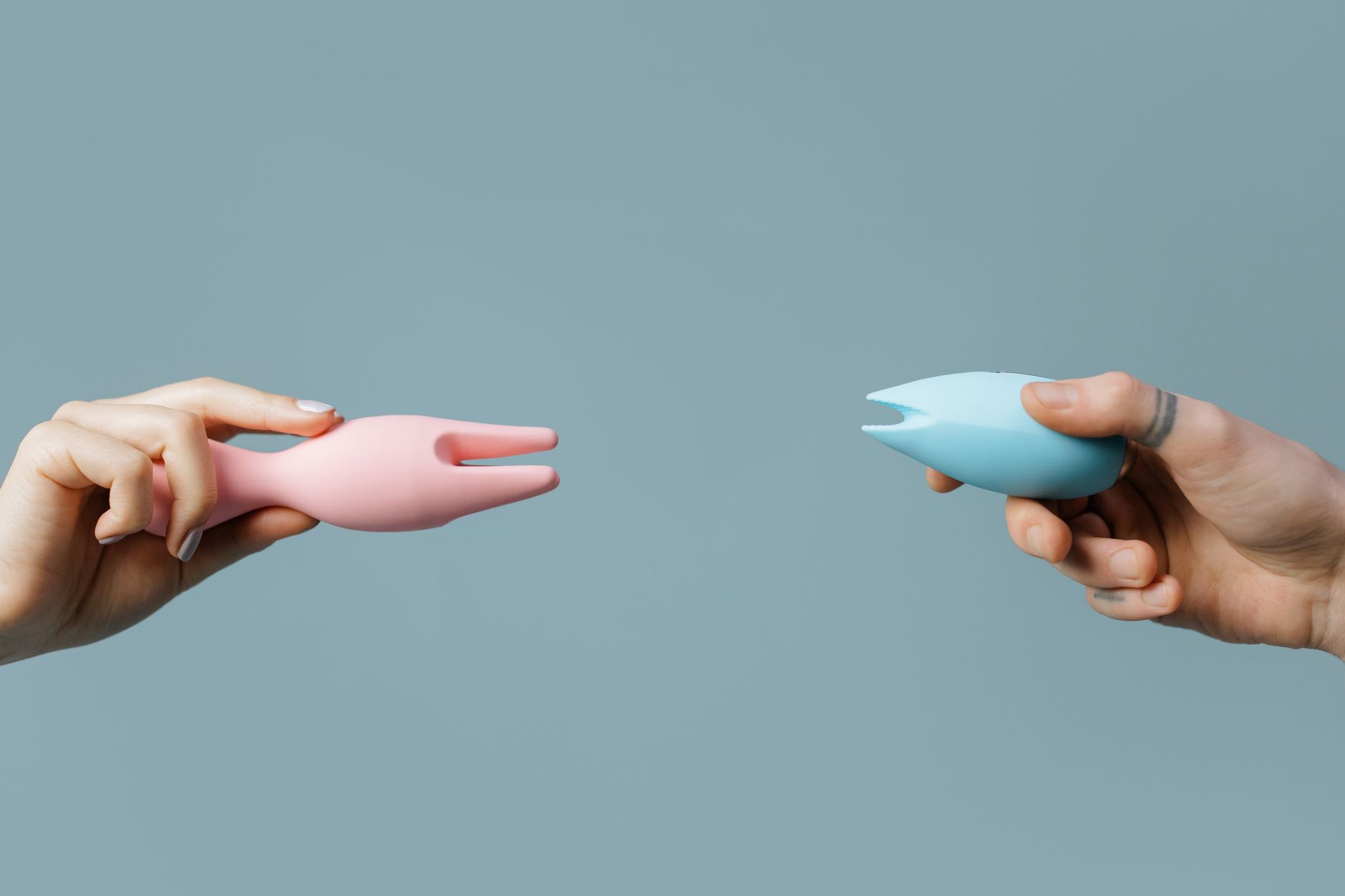
The gap nobody talks about
Let's be real: your body doesn't feel the same when you're alone versus with a partner. And that's completely normal. Most people experience a noticeable shift in arousal speed, orgasm intensity, and even what feels good. The anxiety is real. The confusion about what's wrong is also real. Spoiler: nothing is wrong.
The disconnect happens because pleasure isn't just physical. It's psychological, emotional, and contextual. Anxiety about performance, awareness of someone else's presence, trust levels, and the dynamic of the moment all shift the experience. When you understand why the difference exists, you can actually use lemon vibrators strategically to close that gap and build consistency across both contexts.
Why your body responds differently
Three factors are at play. First, your nervous system. Alone, you're in a parasympathetic state (rest and digest). With a partner, you might oscillate between parasympathetic and sympathetic (arousal and vigilance). Your brain is subtly checking whether you feel safe, whether the other person is enjoying themselves, whether you're performing okay. That cognitive load genuinely dampens physical response.
Second, physical positioning and friction. Solo, you have complete control over angle, pressure, and speed. With a partner, you're navigating someone else's rhythm. Even if they're responsive and attentive, there's an adjustment happening. Your lemon clitoral vibrator becomes a bridge tool here because it lets you maintain your own sensation while still being present with them.
Third, trust and familiarity. Early partnered sex often involves more inhibition. As trust deepens, responses typically synchronize more naturally. But even long-term couples report fluctuations. Using the same tool (like a lem vibrator) in both contexts trains your nervous system to recognize the sensation pattern and respond more reliably.
Solo sessions: the baseline
Start here because solo time is where you discover what actually works for your body, without external pressure. I recommend dedicating time specifically to exploring your lemon vibrator alone before bringing it into partnered play.
Begin with lower intensity settings. Most people jump straight to their preferred setting or highest mode. Resist that. Start on pattern 1 or 2 and spend 10 to 15 minutes just noticing the sensation. Where does the suction feel best? Do you like direct contact or stimulation around the clitoris? How does the rhythm change your arousal arc.
Keep a mental note of three things: timing (how long until you feel noticeably aroused), intensity preferences (which settings build toward orgasm most reliably), and positioning (which angle feels most effective). This becomes your personal baseline.
The point of solo exploration isn't always to reach orgasm. Sometimes it's to gather data. That data then becomes your reference point when things feel off during partnered play. You'll know whether a shift is due to distraction, the context, or something genuinely different about your body that day.
Building context independence
Context independence means your pleasure doesn't collapse just because the setting changed. It's the opposite of performance anxiety. Here's how to build it using your lemon vibrator.
First, practice what I call "transition sessions." Start solo, move through your baseline routine for about 5 to 10 minutes, then have your partner enter the room. They don't do anything initially. They're just present. Keep using your vibrator and notice what shifts. Does your breathing change? Does your arousal drop? Stay grounded in the sensation. Your job is to keep going, not to prove anything.
Second, your partner can gradually increase their involvement. They might place a hand on your thigh, kiss your neck, or whisper. The lemon vibrator stays your primary tool. You're practicing the skill of receiving external stimulation and input while maintaining your own pleasure pathway. This is harder than it sounds, but it's trainable.
Third, introduce the vibrator earlier in partnered foreplay. Don't wait until arousal is already building. Use your lemon clitoral vibrator from the beginning of an intimate session. This trains your nervous system to associate the sensation with pleasure in this context too.
When to hand over control
Honestly though, some people never want to hand over control of the vibrator to their partner, and that's fine. But if you want to explore it, here's the framework.
Start in a position where you can still reach the vibrator. Your partner holds it, but you can adjust their hand if needed. Most people find this less intimidating than complete surrender. Your partner maintains the contact while you guide the pace and pressure. This hybrid approach lets you stay in charge while building trust in their ability to listen to your body.
Set a clear signal for "adjust" or "stop." Not just verbally, but physically. A squeeze on their arm, a change in your breathing, a word. Your partner learns to recognize these cues. Over time, they internalize your rhythm and can anticipate what feels good. This is where consistency across contexts starts happening. Your partner begins to recognize your arousal pattern, and they time their involvement around it.
The lemon vibrator becomes a shared language. It's not about performance. It's about communication. Your partner is learning your body through the tool, not replacing you with it.
Handling mismatched pace
Partners often want faster or slower rhythm than you need. A partner might move the vibrator quickly while you need gradual buildup. Or they might ease off when you're about to orgasm because they're uncertain.
Solve this by establishing a rhythm first, solo. You know your pace. When partnered, you can either keep your hand on theirs to guide the speed, or you can communicate explicitly: "I need about two minutes at this setting before I'm ready for a change." Not sexy in the fantasy sense, but wildly practical and honest.
Some couples find it helpful for the receiving partner to control the vibrator's intensity (button presses) while the penetrating partner controls placement. This divides control in a way that feels collaborative. Your lemon vibrator becomes the negotiation tool, not the source of tension.
Addressing arousal gaps
You might notice that with a partner, arousal takes longer to build even with the same vibrator. That's often due to mental load, not physical difference. You're managing their experience, your experience, the moment, the logistics.
Reduce that load by creating a pre-play routine. Before intimate time, you might use your lemon clitoral vibrator solo for 5 to 10 minutes. This primes your nervous system. When your partner arrives or rejoins you, your body is already halfway to where it needs to be. You're not starting from zero.
Another approach: have your partner create space for your arousal without inserting themselves immediately. They might massage your shoulders, whisper affirmations, or simply be present while you use your lem vibrator. The sensory input from them (touch, voice, presence) combines with your vibrator to create a smoother transition from solo arousal to partnered pleasure.
The confidence piece
Here's what really matters. Using lemon vibrators consistently across solo and partnered contexts builds evidence that your pleasure is reliable. You're not fragile. Your response isn't dependent on perfect conditions. You're capable of orgasm solo. You're capable of orgasm with a partner. The tool is consistent. Your body is consistent. The setting changes, but the pathway doesn't disappear.
That consistency becomes confidence. And confidence changes everything about how you show up in partnered intimacy.
When to seek support
If arousal in partnered contexts remains persistently low despite practice and communication, it's worth exploring with a couples counselor or sex therapist. Sometimes the gap reflects unprocessed trust issues, resentment, or misalignment in the relationship itself. Your lemon vibrator is a great tool, but it's not a substitute for relational work if that's what's actually needed.
FAQ: Consistency across contexts
How long does it take to build consistency between solo and partnered pleasure?
Typically, people notice shifts within 3 to 6 weeks of deliberate practice. That means regular solo exploration, intentional transition sessions, and clear communication with your partner about what's working. It's not instant, but the consistency compounds as your partner learns your cues and your nervous system acclimates to the blended context.
Can lemon vibrators help if I have trouble orgasming with a partner but no problem solo?
Absolutely. The orgasm gap is incredibly common and usually psychological rather than physical. Your lemon clitoral vibrator bridges that gap because it gives you a familiar sensation pathway in an unfamiliar context. By bringing the tool into partnered play gradually, you're teaching your body that pleasure is possible in both scenarios.
What if my partner feels threatened by the vibrator?
That's a relational conversation, not a vibrator conversation. A partner's insecurity about toys usually stems from misunderstanding their role. Help them understand: the vibrator isn't replacing them. It's enhancing the experience and helping you access pleasure you'd otherwise struggle to reach. Many couples find that once a partner sees their partner actually enjoy partnered sex more with the tool, the defensiveness shifts to curiosity.
Is it normal to prefer different vibrator settings solo versus with a partner?
Completely normal. Solo, you might want intense, fast settings that feel isolating. With a partner, you might prefer subtler settings that let you stay present and connected. Your nervous system is different in each context, so your preferences shift. That's not inconsistency. That's adaptation.
How do I communicate my arousal needs to my partner without killing the mood?
Pre-communication is your friend. Have the conversation outside the bedroom first. "When we're together, I need about 10 to 15 minutes of buildup. I like using my lemon vibrator because it helps me stay relaxed. If I need you to adjust pace or pressure, I'll squeeze your arm." Then practice it so it becomes familiar. By the time you're in the moment, it's not a discussion. It's a dance you both know.
Can using a lemon vibrator during partnered sex create dependency?
No. Dependency would mean you can't orgasm without it. What actually happens is you learn a reliable pathway to orgasm that you can access alone or with a partner. That's skill building, not dependency. If anything, it's the opposite. You're expanding your capacity, not limiting it.
The real consistency
Consistency doesn't mean feeling identical in both contexts. It means trust that your pleasure is accessible regardless of context. It means knowing yourself well enough to guide your partner. It means believing in your body's capability.
Your lemon vibrator is a tool for that belief. Use it solo long enough to know it works. Bring it into partnered play gradually. Let your partner learn your rhythm through it. Over time, the gap narrows not because everything becomes the same, but because you become more confident that pleasure is always available to you.
Ready to explore consistency in your own pleasure? Start with solo sessions, build your baseline, then bring it into partnership. If you want more guidance on the relational side of pleasure, reach out at /contact. I'm here to help.