The trade-off nobody warns you about
You started antidepressants and they worked. Your mood stabilized. Anxiety loosened its grip. Then somewhere between week three and month two, you noticed something: orgasms got harder to reach. Or they disappeared entirely. Or they feel like watching them happen to someone else across a foggy room.
This is one of the most common sexual side effects of SSRIs and SNRIs, and also one of the least discussed. Your doctor probably didn't bring it up. Your friends won't mention it. But studies suggest 40 to 60 percent of people taking these medications experience some kind of sexual difficulty. You're not broken. You're not alone. And you don't need to choose between mental health and pleasure.
What antidepressants actually do to orgasm
SSRIs work by keeping serotonin circulating longer in your brain. That's brilliant for mood regulation. But serotonin also influences arousal, lubrication, and the final phase of orgasm. Higher serotonin can make climax harder to trigger and blunt the sensation when it does arrive. It's not your imagination. It's biochemistry.
The timing matters too. Some people experience this delay within days. Others don't notice until weeks in. And some adapt naturally after a few months as the body recalibrates. But for many, the numbness sticks around unless you actively work with it.
Here's what makes lemon vibrators useful in this specific situation: they apply sustained, focused stimulation that compensates for the neurological friction antidepressants create. They don't work by overriding the medication. They work by meeting your body where it actually is right now.
Why intensity and pattern matter more than usual
When orgasms feel distant or delayed, the instinct is often to push harder, use more vibration, grip tighter. That can backfire. Instead, you want consistent, repetitive stimulation that your nervous system can build on over time.
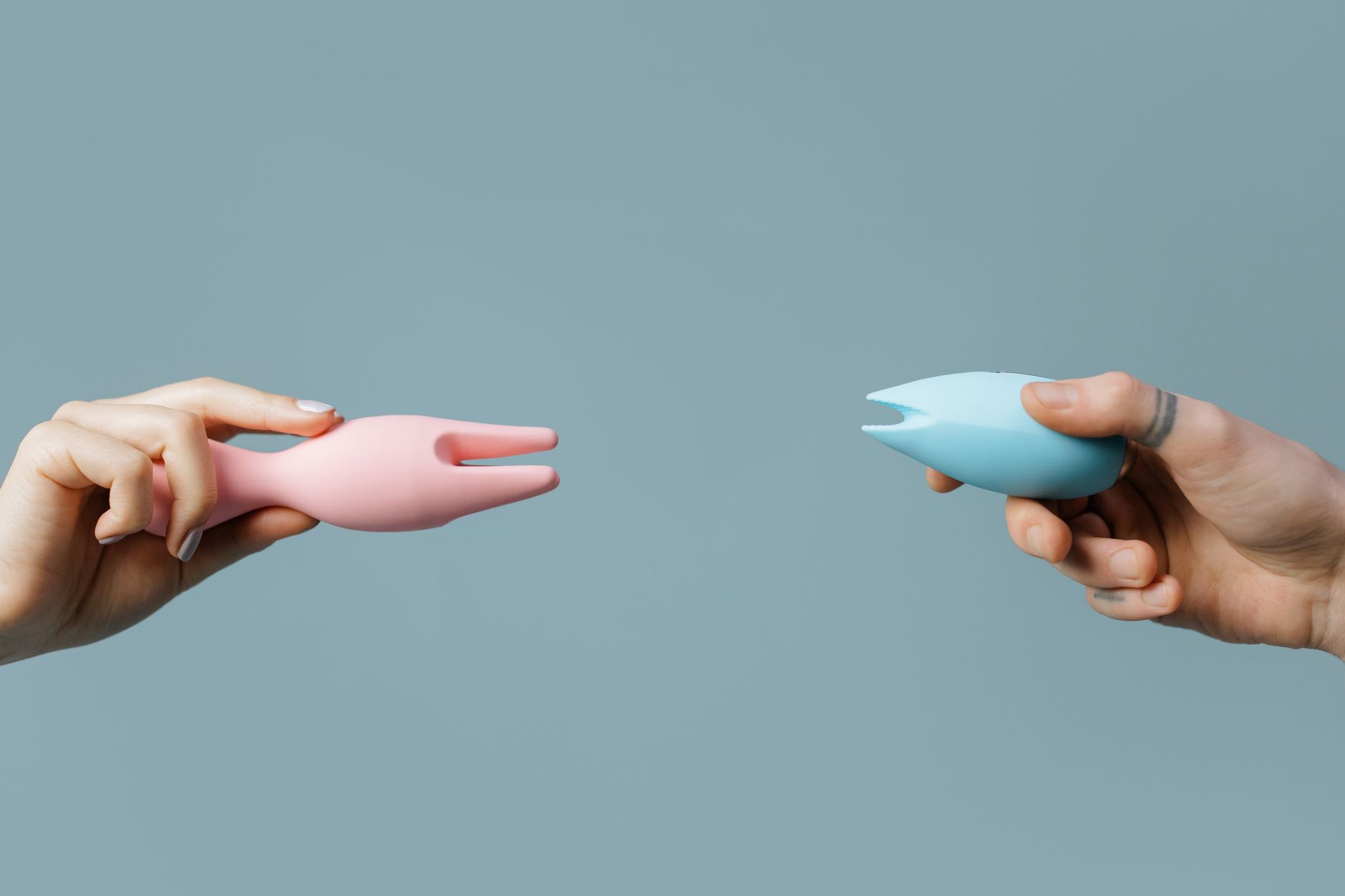
Lemon clitoral vibrators like the Lem use air-suction technology, which creates a gentle pulling sensation rather than direct vibration. This matters because direct vibration against already-numbed tissue can feel more frustrating than helpful. The Lem's patterns allow you to start at lower intensities (patterns one through three) and gradually increase as sensation returns. The key is patience and rhythmic consistency.
Set aside 20 to 30 minutes, not five. When sensation is delayed, rushed sessions almost always fail. Your body needs time to wake up. Think of it as an arousal ramp you're building, not a light switch.
Practical steps to rebuild sensation
Start with your body, not the toy. Spend five to ten minutes on non-genital touch: your neck, inner thighs, breasts, wherever sensation still feels alive. This primes your nervous system and reminds your brain what pleasure is supposed to feel like.
When you do move to genital stimulation, use a water-based lubricant even if you're generating natural lubrication. Medication-related numbness sometimes coexists with reduced lubrication, and the extra slip reduces friction that might otherwise feel irritating rather than pleasurable.
Start the Lem on pattern one or two. This is not the time for intensity. The goal is building a rhythm your body can recognize and respond to. Many people find that after five to ten minutes at a low pattern, sensation gradually intensifies naturally. Some people need 15 minutes. That's fine.
If you're not feeling anything after 20 minutes, pause. This isn't failure. It means you need a different approach that day. Come back to it later or try a different pattern.
When it's about more than the toy
Timing in your cycle matters if you menstruate. Sensation tends to be sharper in the follicular phase (first half of your cycle) and more muted in the luteal phase. If you're taking an SSRI and in your luteal phase, you're stacking two factors that suppress sensation. Knowing this helps you schedule solo time strategically.
Mental state matters too. Anxiety about whether orgasm will happen amplifies the medication's numbing effect. It's a feedback loop. Lower expectations (genuinely, not performatively) often helps more than trying harder. Some people find that focusing on sensation rather than outcome creates the conditions where orgasm sneaks up naturally.
If you have a partner, communication is essential. "My medication affects orgasm" is different from "something is wrong between us." Partners often internalize delays as rejection. Clarity prevents resentment from compounding the already-difficult experience.
What to tell your doctor
You don't have to live with this. Good options exist. Your doctor might suggest taking the medication earlier in the day (timing can affect symptom severity). Some doctors prescribe short-acting sexual side effect medications taken about an hour before sex. Others suggest switching to an SSRI with a lower sexual side effect profile, like bupropion or mirtazapine. Some people add a small dose of buspirone as an adjunct.
None of these conversations are easy. Come prepared with specifics: "I'm experiencing delayed orgasm," not vague "things aren't working." Your doctor has heard this before. It's a real clinical problem with real solutions.
Many people also find that combining a medication adjustment with a tool like the Lem works better than either alone. The toy helps rebuild sensation and confidence while pharmacological changes work through your system.
When to suspect it's more complex
If orgasm difficulty appeared only after starting medication and nothing else changed, antidepressants are almost certainly the culprit. But sometimes medication unmasks other factors: relationship tension that was already there, underlying pelvic floor tension, trauma responses. If you've been working with the Lem consistently and still feel stuck after four to six weeks, talking to a sex therapist (ideally one trained in trauma-informed work) can help sort signal from noise.
Similarly, if you tried an SSRI years ago and it killed your sex drive, don't assume all SSRIs will do the same. Medications affect people differently. If you're now on a different SSRI or a different dose, the outcome might be completely different.
The long view
Here's what I tell clients: your medication is not your enemy. It's keeping you stable, managing anxiety, maybe preventing suicidal ideation. That's non-negotiable. And your pleasure also matters. These aren't opposite values. They're both true.
Using lemon vibrators when antidepressants numb sensation isn't a workaround or a consolation prize. It's a practical technology for reconnecting with your body while on medication that works. Sensation often does return, either because the medication adjusts, because your nervous system adapts, or because you find the right tools and timing. Until then, you deserve pleasure that meets you where you are.
People also ask
Can I use lemon vibrators while taking SSRIs?
Yes. There are no contraindications between air-suction clitoral vibrators and antidepressant medications. Some people find that patterns one through three work better than higher intensities, simply because sensation is already dampened and more stimulation doesn't always help. The Lem's adjustable patterns make it ideal for this trial-and-error phase.
Will the numbing get better on its own?
Sometimes. About 30 percent of people experience sexual side effects that fade after the first two to three months as the body adjusts. For others, the effect plateaus and stays constant. Some people find that sensation returns if they take a medication break (though this is only appropriate under doctor supervision). The only way to know is time plus consistent self-monitoring. A toy like the Lem lets you track changes in sensation objectively rather than relying on frustration or intuition.
Should I switch my medication because of this?
That's a conversation for your prescriber, not a decision to make alone. Some antidepressants have lower sexual side effect rates than others. Some people find a medication change fixes the issue entirely. But others switch and discover the new medication has its own problems, or the sexual side effect remains. Weigh the stability you've gained against the loss of sexual function with your doctor. Sometimes the right choice is staying on the medication and using other tools to restore pleasure. Sometimes it's switching. There's no universal answer.
Is delayed orgasm from medication permanent?
Not always. For some people it resolves months later. For others it sticks around as long as they take the medication. What we do know is that simply switching tools (like adding an air-suction vibrator to your routine) doesn't fix the underlying neurochemistry, but it can help you experience pleasure again while you work through other options with your doctor. The Lem has helped many people on antidepressants reclaim sensation that felt lost.
Can I take anything to counteract the sexual side effects?
Several options exist, but they all require your doctor's input. Adding buspirone, taking ginseng, or taking a dose of sildenafil before sex are all things your prescriber can discuss. Some work, some don't, and individual responses vary widely. The conversation is worth having, especially if you've been struggling for months.
What if I'm not having orgasms at all, just delayed ones?
Complete absence is less common than delay, and it typically signals that the medication is working very strongly on your system or that something else is also at play. This is absolutely worth discussing with your doctor before trying any other interventions. Sometimes a small medication adjustment or timing change solves it immediately. Using a tool like a lemon clitoral vibrator can help, but only after you've ruled out medication-specific options with your prescriber.
The takeaway
Antidepressants don't have to mean the end of pleasure. But they often do mean you need to think differently about how you access it. When arousal takes longer to build, patience and the right tools make all the difference. Lemon vibrators like the Lem are built for exactly this situation: sustained, adjustable stimulation that works with your nervous system rather than against it. Talk to your doctor about your options, give yourself permission to explore what works for your medicated body, and remember that reclaiming pleasure is as legitimate a health goal as treating depression.