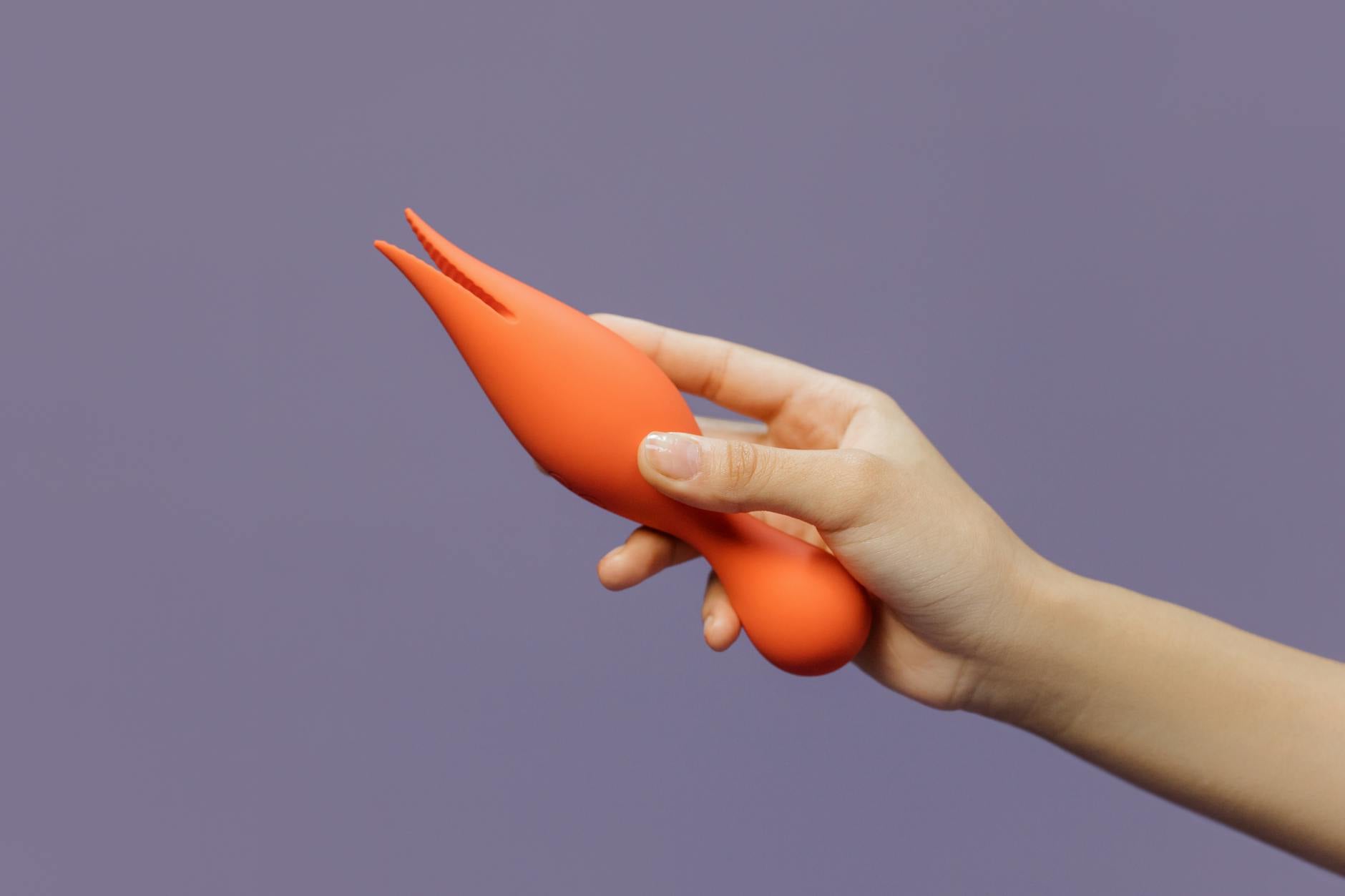
Let's be real about body disconnection
Sometimes pleasure doesn't feel numb. It feels impossible. You're physically present, but your mind is somewhere else, or your body feels like it belongs to someone else, or sensation just doesn't register the way it should. That's dissociation. And it's way more common than people talk about, especially after stress, trauma, illness, or even prolonged anxiety.
The worst part? Trying to use a vibrator when you're disconnected feels pointless. Your body doesn't light up. The sensation lands flat. So you stop trying, which makes the disconnection deeper. It's a feedback loop that breaks intimacy and erases pleasure from your life.
Here's what I want you to know: dissociation isn't a character flaw, and it's not permanent. Your body is still yours. It just needs permission to feel again.
What disconnection actually does to arousal
When you're dissociated, your nervous system is in protective mode. Your brain is essentially saying 'it's safer to check out than to stay present.' That protective response shuts down the pathways that generate arousal. Lemon vibrators and other clitoral vibrators can't force those pathways open, but they can create the conditions for them to start working again.
Dissociation affects sensation in three ways. First, physical touch registers as distant or muffled, like you're experiencing it through glass. Second, pleasure signals get interrupted before they reach your brain. Third, the mind doesn't stay present long enough to build arousal momentum. You start, then drift, then start again.
The good news is that suction-based stimulation from a lemon clitoral vibrator works differently than traditional vibration. It creates rhythmic pressure that your nervous system actually notices and responds to, even when you're partially checked out.
The grounding protocol that matters more than the toy
I work with a lot of people rebuilding sensation after dissociation, and here's what I've learned: the vibrator is secondary. The grounding work is everything.
Before you even touch a lemon vibrator, you need to anchor yourself in your body. Try this: sit somewhere comfortable and spend two minutes naming five things you see, four you can touch, three you hear, two you smell, one you taste. It sounds silly. It works. This resets your nervous system from 'check out' to 'check in.'
Then add a body scan. Close your eyes. Start at your toes and notice what you feel. Not judge it, not fix it, just notice. Temperature. Texture. Pressure against the chair. Tightness or looseness. Spend a full minute here. This teaches your brain that your body is trustworthy again.
Only after grounding do you pick up the toy.
How to actually use a lemon clitoral vibrator when you're dissociated
Start at the lowest setting. I mean genuinely lowest. The Lem, for example, goes down to pattern one. Start there.
Place it gently against your skin without pressure. Don't try to have an orgasm. Don't try to feel pleasure. Just try to feel the sensation itself. Is it warm or cool? Is it rhythmic? Can you count the pulses? Your job is to stay present with the physical fact of the vibration. Nothing more.
If your mind drifts, that's normal. Don't fight it. Just notice you've drifted and come back. This is practice in staying tethered to your body.
Stay here for three to five minutes. That's it. You're training your nervous system that sensation is safe and that your mind can stay present. You're not chasing an orgasm. You're rebuilding the pathway.
The escalation that actually works
Most people escalate too fast. They go from disconnection to full intensity in one session, then feel frustrated when it doesn't work.
Here's what I recommend. Over the course of a week, move through this progression:
Day one through three: lowest setting, two to three minutes, just noticing sensation. No goal. Day four and five: same setting, five minutes, starting to notice if anything feels good or interesting. Day six and seven: if you want to, move up one pattern level. Stay five minutes. Day eight and nine: stay with that new level. Ten to fifteen minutes. Notice if arousal is building at all. Day ten and beyond: if you feel ready, move up again. This crawl matters because you're rebuilding neurological pathways, not just seeking pleasure.
Some people need two weeks at the lowest setting. That's not failure. That's listening to your body.
What to do when dissociation tries to grab you mid-session
You'll be using your lemon sucker or clitoral vibrator and suddenly feel that distant sensation creeping back. Your mind starts floating. Your body feels numb again.
Stop. Don't push through it. That's not willpower, that's retraumatization.
Instead, take three very slow breaths. Feel your feet on the floor or your back against the bed. Name something you can physically touch right now. Then decide: do I want to keep going or do I want to pause? Both are correct answers. If you keep going, stay at the exact same intensity level for another minute. Then reassess.
The goal is to teach your nervous system that it's safe to stay present. That means honoring the moment it wants to check out, not forcing through it.
When to bring a partner into this
If you have a partner, this work doesn't have to be solo. But the framing matters wildly.
Don't frame it as 'help me get turned on' or 'I'm broken and you need to fix me.' Frame it as 'I'm rebuilding connection with my body and I'd like your presence while I do that.' That's different. That removes performance pressure and adds grounding support.
Your partner can:
Stay in the room while you use your lemon vibrator. Just being present, not watching, helps your nervous system relax. Hold your hand or keep a hand on your arm while you're grounded. This is a direct anchor to another person. Talk you through the grounding script while you're using your clitoral vibrator. Their voice is enormously grounding. Go slow. Let you set the pace entirely. No suggestions, no urgency.
What they shouldn't do: push for pleasure or orgasm, make it about them or their arousal, offer unsolicited intensity changes, or frame your disconnection as rejection. The first three undermine the whole process. The last one is just not true.
The timeline for reconnection
I'm going to be honest: if your disconnection came from trauma, this takes longer than two weeks. It might take a couple of months before you feel genuinely aroused again.
That's not because lemon vibrators aren't effective. They absolutely are. It's because nervous system healing doesn't follow a checkout line timeline. Your body is being asked to trust sensation again after deciding sensation wasn't safe.
Here's what most people report: week two, you notice the sensation lands less distantly. Week three or four, you might feel a flutter of something that could be arousal. Week six or eight, you might have an actual orgasm and be surprised by it. By week twelve, many people report that dissociation is significantly quieter.
That progression is completely normal and genuinely successful.
When to reach out for more help
If you're doing this work and dissociation is worsening, or if you're having flashbacks or panic during grounding, please stop and talk to a therapist. Dissociation sometimes signals trauma that needs professional support.
A trauma-informed therapist can work with you in tandem with this reconnection work. They're not in competition with self-pleasure. They're partners in rebuilding your relationship with your body.
The same goes if you've been working consistently for three months and feel completely stuck. That's a signal to bring in support, not to blame yourself or the tool.
The real work is belief
Here's what I tell everyone rebuilding sensation: your body hasn't abandoned you. Your nervous system just got scared and checked out to protect you. That was smart. And now you're creating the conditions for it to check back in.
Lemon vibrators, grounding, patience, your partner's presence, professional support if needed. These are all tools. But the deepest tool is belief that reconnection is possible.
It is. Your body is waiting for you to come home to it.
People also ask
How long does it take to feel sensation again after dissociation?
Most people notice changes in two to four weeks with consistent practice, though deeper reconnection takes longer. Some folks feel shifts in sensation within days. Others need two months. The timeline depends on how long you've been dissociated and what caused it. What matters is consistency, not speed. Five minutes every day beats sixty minutes once a week.
Can I use a lemon clitoral vibrator if I have trauma?
Yes, but carefully and ideally with professional support. Lemon vibrators can actually help rebuild sensation after trauma, but they can also trigger flashbacks if you push too fast. Start at the lowest setting, use grounding techniques before and after, and stop immediately if you feel unsafe. A trauma-informed therapist can help you navigate this safely.
Does dissociation mean I'll never enjoy sex again?
Absolutely not. Dissociation is your nervous system's protective response, not your permanent state. Thousands of people have rebuilt arousal and pleasure after dissociation. It takes patience, often takes support, and it's completely possible. Your capacity for pleasure isn't gone. It's just dormant.
Why does suction feel different when you're dissociated?
Suction creates rhythmic pressure that's harder for your brain to ignore than vibration. When you're dissociated, your nervous system is essentially tuning out stimulation. Rhythmic pressure from a lemon sucker cuts through that numbness more effectively. It's not magic. It's just a different neurological signal.
Should I see a doctor if dissociation is blocking my pleasure?
If dissociation is ongoing, yes. Talk to your GP or a mental health professional. Dissociation can signal trauma, anxiety, depression, or sometimes medical conditions like dissociative disorders. You deserve to understand what's happening. Once you do, the reconnection work with your lemon vibrator and grounding will be much more effective.
Can my partner help me reconnect faster?
Yes and no. Your partner's presence, touch, and support genuinely help your nervous system feel safer. That speeds things up. But they can't do the reconnection work for you. You're the one rebuilding your relationship with your body. They're a support, not a solution. The most helpful partners understand this distinction.
Moving forward
Disconnection from your body is painful. And it's also fixable. The combination of grounding work, patience, and tools like lemon vibrators creates the conditions for genuine reconnection. Your body is still yours. It's just waiting for you to come back to it.