Let's talk about what nobody tells you
Surgery interrupts your body's rhythm. It doesn't erase your desire, but it does create a gap between what you want and what feels safe. For some surgeries, that gap is weeks. For others, months. The emotional weight of that gap is often bigger than the physical one, and almost nobody talks about it.
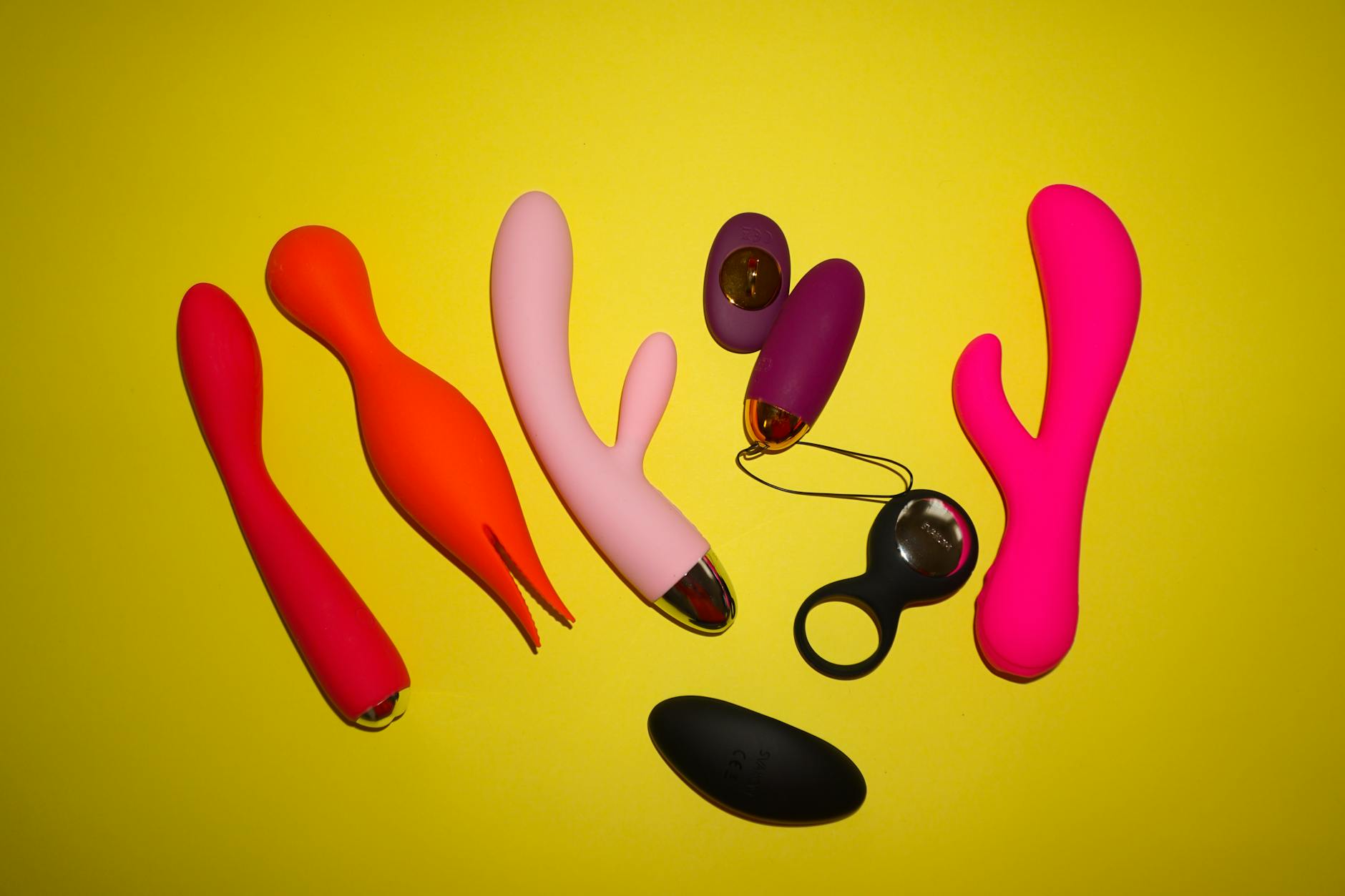
Here's what I tell clients in my practice: recovery and pleasure aren't opposites. They're a conversation with your body that needs patience and clear boundaries. Lemon vibrators, especially the Lemon clitoral vibrator design, can actually help you navigate that conversation more smoothly than going without.
What surgery actually does to arousal
Surgery affects pleasure in predictable ways. Anesthesia leaves your nervous system foggy for days. Pain medication can numb arousal completely. Compression garments and incision sites create physical barriers to comfort. Your brain is also processing trauma at a cellular level, even if the surgery was routine. That affects desire more than you'd expect.
The timeline varies wildly depending on what was removed, repaired, or rearranged. Hysterectomy recovery typically takes 6-8 weeks before any genital contact feels safe. Breast surgery might clear sooner physically but carries emotional weight that takes longer to untangle. Abdominal procedures require respect for incision sites and internal healing you can't see.
But here's what gets missed: numbness during recovery isn't permanent. Sensation returns in patches and waves. Your arousal threshold will shift. Your body will need different things at week two versus week six. Planning for that fluidity beats pretending nothing changed.
The mental part nobody warns you about
Physical healing is straightforward. You avoid heavy lifting, take your antibiotics, keep the wound clean. Mental recovery from surgery is messier. Your body just betrayed you in a controlled way, and your brain knows the difference between "planned" and "safe." Some people feel unsexy for months after surgery. Others feel desperate to reconnect with their body almost immediately. Both responses are normal. Neither one is right.
If you have a partner, this gets complicated fast. They're watching you hurt. They want to help. They also might be scared to touch you. That creates distance at exactly the moment you both need reassurance. One of my clients described it as "we're not even in the same country for a while." That's accurate.
Lemon vibrators matter here because they're not about your partner. They're about you and your own nervous system. Solo pleasure during recovery isn't selfish. It's reclamation.
When it's actually safe to restart
Your doctor gives you clearance, but clearance isn't the whole story. Clearance usually means "tissue has closed enough that infection risk is low." It doesn't mean sensation is normal, pain is gone, or your brain is ready. Those things take longer.
General framework: weeks one through three are pure healing. Nothing genital, nothing stimulating. Your job is rest and not disrupting your incisions. Weeks four through six, you might start very gentle exploration of pleasure if your doctor clears it. This isn't orgasm. It's curiosity. Can you feel pleasure without pain? Does touching yourself make you anxious or calm? What's your nervous system saying?
Weeks six onwards, assuming no complications, you have more freedom. This is when a Lemon clitoral vibrator becomes genuinely useful. You're past the acute healing phase but sensation might still feel muted or strange. The suction-based design of Lemon vibrators is gentler than traditional vibration, which matters when your nerves are still waking up.
How to start again without guilt
Solo pleasure during recovery feels indulgent to some people. It shouldn't. Your body spent energy on healing. Your nervous system processed trauma. Reconnecting with pleasure is part of the recovery work, not a distraction from it. It tells your brain that your body is safe, that you still exist as a whole person, not just as an incision site.
Start with no expectations. You're not trying to orgasm. You're not proving anything. You're checking in. Set aside twenty minutes when you're not in pain and your incisions feel stable. Use the lowest setting on a Lemon vibrator. You want sensation, not intensity. If it feels good, stay there. If it feels weird or painful, stop. No scoring.
Many people find that sensation comes back unevenly. Your outer vulva might feel normal while internal sensation stays numb. That's fine. Work with what's accessible. Lemon clitoral vibrators work beautifully for this because they focus stimulation where you have the most nerve density and least risk of irritating an incision.
If you're nervous about pain, water-based lubricant is your friend. Tissues are often more sensitive after surgery. Lubrication reduces friction and lets you explore more gently. It's not a sign something's wrong. It's practical self-care.
When to involve your partner
Your partner might be ready before you are, or vice versa. That mismatch creates frustration and shame. Don't let it. Talk about timeline expectations from the start. "My doctor says six weeks, but my body might need eight. I'll tell you when I'm ready." That clarity prevents resentment.
When you do reconnect, start clothed. Cuddle. Kiss. Remind each other that touch exists outside of genital contact. Your partner can learn your incision sites and what's off-limits. You get to decide if they watch you use a Lemon vibrator on yourself, or if you explore solo first and report back. Shared pleasure takes time to rebuild.
Some couples skip partnered sex for months and return to it stronger. Others reconnect sooner but slower. There's no timeline police. What matters is that you're both communicating and respecting your body's actual needs, not an imagined "normal."
The psychological shift that matters most
Recovery from surgery is a strange grief. You grieve the body you had, even if the one you have now is healthier. You grieve the rhythm of pleasure and spontaneity. You grieve feeling like yourself. That's real, and it doesn't disappear just because surgery went well.
But here's what happens if you let yourself actually reconnect with pleasure during recovery: you stop grieving and start integrating. Your new body becomes familiar again. Your pleasure becomes yours, not something stolen by surgery. That shift happens gradually, through small experiments with sensation.
A Lemon clitoral vibrator isn't a fix. But it's a tool that says: "My pleasure matters. My body is still mine. I'm not broken, I'm healing." That permission is half the work.
What timeline actually looks like
Weeks 1-3: Rest. Focus on incision care. Avoid all genital stimulation.
Weeks 4-6: If cleared by your doctor, solo exploration is okay. Gentle touch, no pressure to respond or orgasm.
Weeks 7-12: Sensation usually returns more consistently. A Lemon vibrator on its lowest setting helps you discover what feels good in your new body.
Months 4+: Most people feel ready for partnered pleasure, though sensation and arousal might not be identical to pre-surgery. That's normal. Your body adapted. Your pleasure can too.
This isn't universal. Some people heal faster. Some need more time. Listen to your body, not a timeline.
Questions nobody asks, but everyone wonders
Can I use a Lemon vibrator while still healing from surgery?
Not during acute recovery (first three weeks). After that, if your doctor clears you for sexual activity, yes. Start gentle. The lowest setting on a Lemon clitoral vibrator is quieter and less intense than many alternatives, which helps when your nervous system is still sensitive. Always check with your incisions first: if they're tender or not fully closed, wait longer.
Will my sensation ever come back completely?
Most people get full or nearly-full sensation back within three to six months. Some experience permanent changes in sensation, especially if nerves were affected during surgery. That's rare but real. Your pleasure doesn't depend on sensation being identical to before. It just depends on you learning what your new body enjoys.
Is it normal to feel unsexy during recovery?
Completely normal. Surgery is a trauma, even when it's necessary. Your brain associates your body with pain right now. That association fades as healing happens. Reconnecting with pleasure through self-exploration helps that process. You're not being vain. You're being human.
Should I tell my partner I'm using a Lemon vibrator during recovery?
That's your call. Some couples love the transparency and use it as a way to stay connected during a phase when partnered sex isn't accessible. Others prefer privacy during recovery. There's no right answer. What matters is that you're not doing it from shame. You're doing it from self-care.
What if touching myself during recovery hurts?
Stop immediately. Pain is information. If you're feeling pain beyond mild tenderness, your body isn't ready. Wait longer. Use your doctor's contact line if pain is sharp or unexpected. Recovery timelines are estimates, not deadlines.
Can I use a Lemon vibrator if I had abdominal surgery but no genital trauma?
Yes, once you're cleared. Abdominal surgery doesn't directly affect your vulva, but pain medication, anesthesia, and mental stress all affect arousal. A Lemon clitoral vibrator can help your nervous system wake back up. Just avoid any vibration or pressure near your incision site.
What recovery actually teaches you
Surgery interrupts your pleasure, but it doesn't define it. Some of my clients report that their reconnection to pleasure after surgery feels deeper because they chose it consciously. They weren't just on autopilot. They decided to rebuild their pleasure intentionally.
Lemon vibrators fit into that rebuilding because they let you start small and gentle. They're a conversation with your body, not a demand. You're learning what feels good in your new normal. That's the whole point of recovery.
Your body will heal. Your sensation will return. Your pleasure will come back, probably different but just as real. Give yourself the grace to get there slowly.