
Let's talk about what's actually happening
Your body is not broken. It's responding exactly as it should to a change in your nervous system, your relationship context, your stress level, or yes, sometimes your hormones. Arousal taking longer is one of the most common shifts people report in their thirties, forties, and beyond. It's also one of the least discussed, which means most people assume they're alone in it.
Here's what I see in my practice: someone comes in convinced their desire is gone, when really what's changed is the timeline. They used to get turned on in three minutes. Now it's twenty. They interpret that as loss rather than what it actually is: a different pace.
The good news is that when you work with your pace instead of against it, sensation often deepens. And tools like Lemon Vibrators are specifically useful here because they create consistent stimulation while you give your body time to catch up.
Why arousal takes longer (and why it's not always what you think)
Slower arousal has multiple causes, and knowing which one you're dealing with changes how you approach it.
Stress and attention. Your nervous system can't simultaneously run a threat-detection system and an arousal system. When you're managing work deadlines, family logistics, or financial worry, your body stays in a heightened state that makes relaxation harder. Arousal requires a kind of mental drift that's harder to access when you're vigilant.
Medication and substances. SSRIs, antihistamines, blood pressure medication, and even cannabis can slow the arousal response. This is real and worth naming to your doctor, not just suffering through.
Relationship patterns. If you've spent months or years in a dynamic where you're performing pleasure rather than experiencing it, your body learns to protect itself by taking longer to respond. Trust rebuilding takes time, literally.
Hormonal shifts. Yes, but not just menopause. Birth control, thyroid changes, and cortisol dysregulation all affect the speed of arousal. This isn't a failing of your body. It's information.
Aging. After about thirty-five, the average time to arousal naturally extends. This is not loss. It's a shift. And it often coincides with better knowledge of what you actually want, which can make the longer pathway feel richer.
One clarification: slower arousal is different from low desire. Low desire means you're not interested at all. Slower arousal means you're interested, but it takes time to access the feeling. The distinction matters because the strategies are completely different.
How Lemon Vibrators change the game with extended warm-up
Here's the tension: you need time, but rushing yourself or sitting in silence doesn't help. You need something to work with during the warm-up phase. That's where Lemon Vibrators come in.
Unlike vibration alone, which can feel jarring on tissue that's not yet fully engaged, Lemon Vibrators use air-suction stimulation that works more gently through the arousal phases. You can start at a lower setting while your body is still waking up, and the sensation builds alongside your arousal rather than outpacing it.
The practical shift: instead of a five-minute foreplay routine, budget twenty to thirty minutes. That sounds long until you reframe it. You're not waiting to start. You're starting differently.
I typically recommend this structure for people with slower arousal:
Minutes 0-5: Foreplay, touch, kissing. No toy yet. Your brain needs to disengage from the day.
Minutes 5-15: Introduce the Lemon Vibrator at pattern 1 or 2. Keep intensity low. This is about consistency, not intensity. Your nervous system needs signal that it's safe to relax.
Minutes 15-25: Increase to pattern 3-5 as sensation builds. By this point, your body is warming up and can handle more direct stimulation.
Minutes 25+: Deepen however feels right. Orgasm might come quickly now, or it might take longer. That's fine. You're not rushing.
The key is that you're doing something while you wait. Passive waiting is torture. Active, pleasurable waiting is hot.
The mental game: patience as foreplay
Here's what I tell my clients who feel frustrated about slower arousal: you're being invited into a longer conversation with your body.
Most of us are trained to value speed. Quick orgasm means everything worked. Slow arousal feels like a glitch. But that's a story, not a fact.
When you give yourself permission for a slower timeline, a few things shift. First, you stop checking whether you're aroused yet, which paradoxically kills arousal faster than anything. You actually relax into sensation instead of monitoring it.
Second, you often discover that the journey is more satisfying than the destination ever was. A slow build with a Lemon Vibrator can create an intensity at the peak that you never hit when you're rushing.
Third, if you're with a partner, the slower pace often deepens connection. You're not performing. You're genuinely exploring together. That changes the emotional quality of sex entirely.
Practical adjustments that actually help
Beyond the time budget, a few specific things work:
Reduce the stakes. Tell yourself this session might not lead to orgasm, and that's completely fine. Pressure kills arousal faster than anything. Once you release the outcome, your body often relaxes enough to respond.
Create space. Protect twenty to thirty minutes where you won't be interrupted. Close the door. Silence your phone. Your nervous system needs to believe it's safe to let down.
Warm up your environment, not just your body. A cold room keeps your nervous system vigilant. Warmth signals safety. If you're chilly, you'll take longer to arouse.
Use lubrication even if you don't think you need it yet. Water-based lube helps the Lemon Vibrator glide smoothly and reduces friction that can feel uncomfortable during warm-up.
Consider arousal separately from penetration. If slower arousal has made partnered sex feel rushed, try exploring orgasm with the Lemon Vibrator solo first. You'll learn your own timeline without pressure. Then bring that knowledge into partnered play.
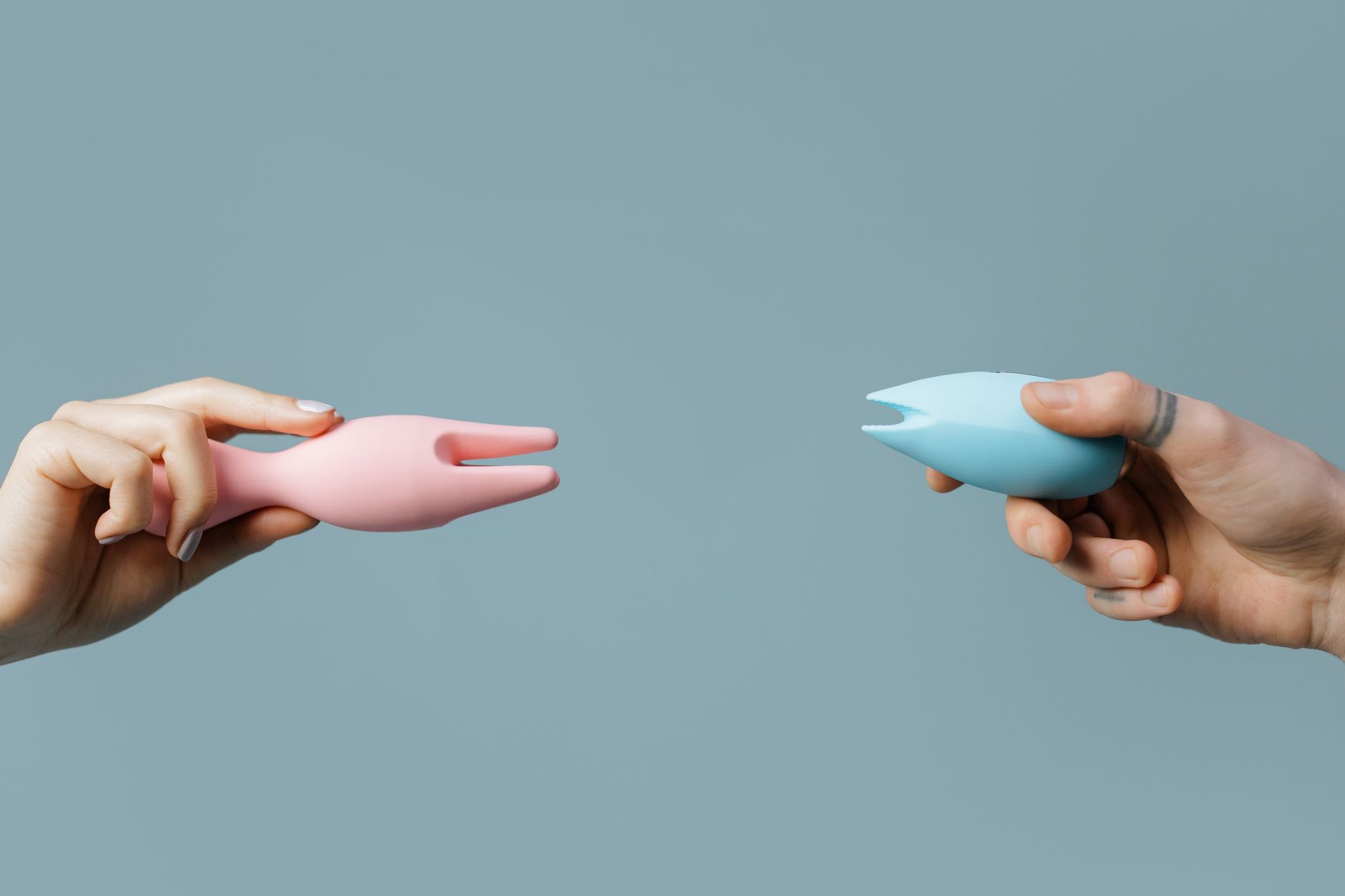
Photo by cottonbro studio on Pexels
When slower arousal points to something else
If your arousal timeline has shifted recently and dramatically, it's worth checking a few things.
New medication is the most common culprit. If you started SSRIs, blood pressure meds, or antihistamines in the last few months and suddenly arousal is slower, mention it to your prescriber. There are often alternatives that don't affect arousal.
If slower arousal arrived alongside other changes like fatigue, mood shifts, or weight changes, ask your doctor about thyroid function and cortisol. These are treatable, and treatment often restores arousal speed.
If slower arousal appeared after a relationship conflict or period of emotional distance, it might not be physiological at all. Your body might be protecting you until trust rebuilds. In that case, a therapist or relationship coach can help more than a vibrator ever could. (Though once trust rebuilds, a Lemon Vibrator can help reconnect to sensation.)
The point: slower arousal is worth investigating, but it's not usually something to panic about.
Making slower arousal part of your pleasure, not a problem
One of the most powerful shifts I see in my practice is when someone stops fighting their arousal timeline and starts using it.
Yes, you need more time now. That's information, not failure. The longer warm-up often leads to deeper sensation, better orgasms, and more presence. You're not in your head checking boxes. You're actually in your body.
With a tool like the Lemon Vibrator, that longer journey becomes something to look forward to, not something to get through. The air-suction design works beautifully across all arousal phases, so you can start earlier in the process without the jarring intensity of vibration.
Your pleasure matters. So does your timeline. Honor both, and you'll find that slower arousal isn't a setback. It's an upgrade.
FAQ
How long is normal for arousal to take? There's a wide normal range. Some people are aroused in two minutes. Others need fifteen to thirty. If your timeline shifted recently, that's worth investigating with a doctor. If it's always been slow, that's just your normal.
Can medication actually slow arousal? Absolutely. SSRIs, antihistamines, some blood pressure meds, and anticholinergics can all affect arousal speed. Talk to your doctor about alternatives if this is new for you.
Does the Lemon Vibrator work better than regular vibration for slow arousal? The suction-based design of Lemon Vibrators creates a gentler, more gradual stimulation that works well during the warm-up phase. You can start at lower intensities without it feeling underwhelming.
What if my partner doesn't want to wait twenty minutes? That's a conversation worth having. If your partner sees the longer arousal as a problem to be solved quickly, that's not about your body. That's about misaligned expectations. A therapist can help navigate that.
Should I use the Lemon Vibrator solo or with a partner? Both work. Solo exploration helps you learn your own timeline without pressure. With a partner, the slower pace often deepens connection if you both see it as something to move through together rather than a problem to fix.
Is slower arousal permanent? Not necessarily. It often shifts with stress reduction, medication changes, or relationship healing. But even if your timeline doesn't change, working with it rather than against it transforms the experience.