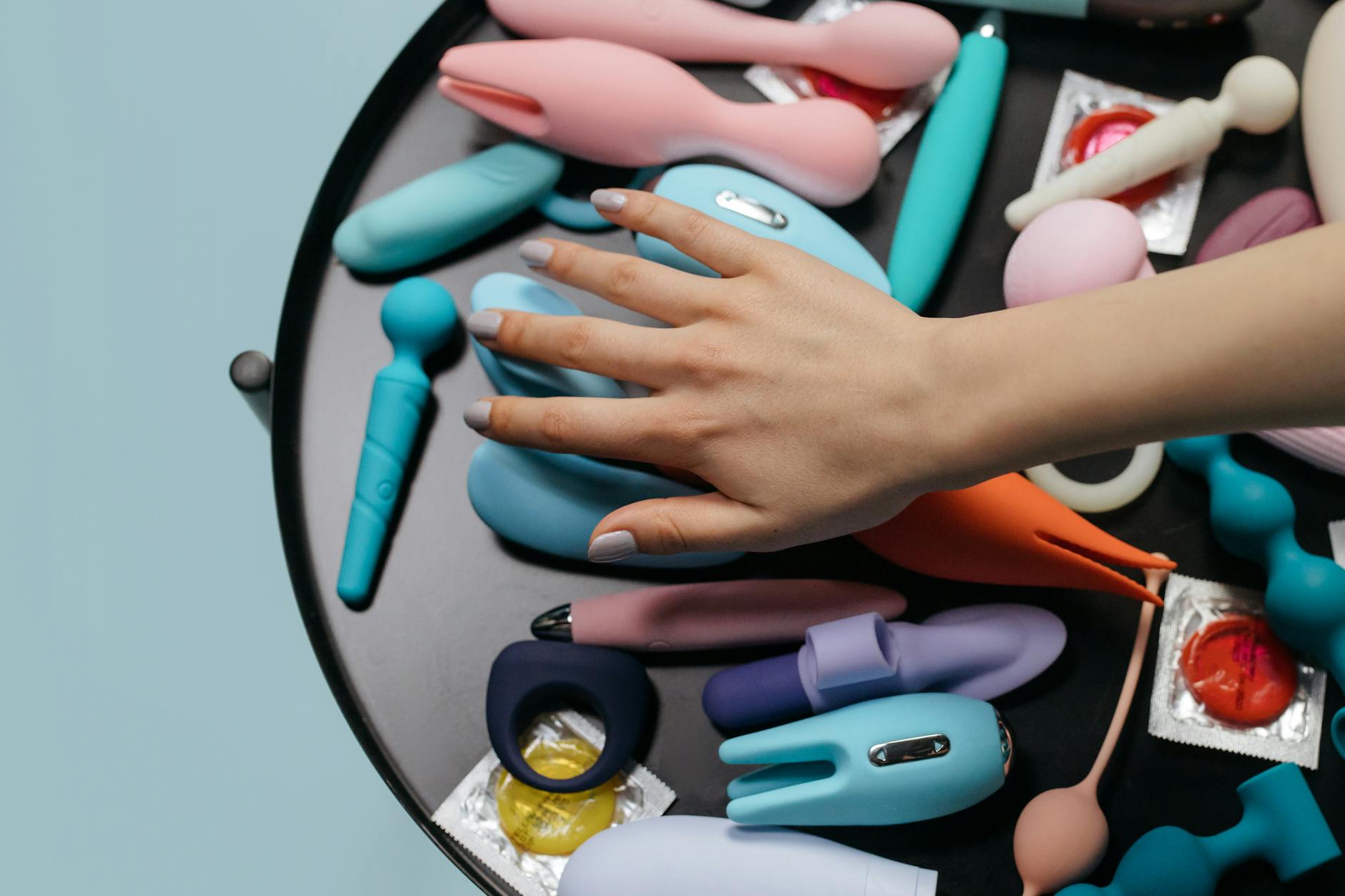
Let's talk about the thing nobody brings up when you're newly dating
You meet someone. Chemistry happens. Suddenly your solo pleasure routine feels like it might complicate things. The thought process usually goes something like: if I'm doing this alone, am I telling them something? Am I missing intimacy windows? Am I supposed to stop? Most people spiral into silence and just... change their habits. Which is the worst possible move.
Here's what I tell my clients in the first weeks of dating: maintaining your own practice with lemon vibrators or any other tool isn't a substitution for partnered intimacy. It's a foundation for it.
Why your solo practice actually strengthens early dating
When you're newly dating, everything feels loaded. A text back delay means something. The pace of intimacy feels like it has stakes. Your nervous system is reading signals constantly. This is normal biology, not pathology. But it creates a problem: it's hard to know what you actually want when you're running on adrenaline and attachment hormones.
Maintaining a solo pleasure routine does something really specific. It creates continuity in your own nervous system. It keeps you anchored to your own body and your own pleasure baseline, separate from the dynamic with your partner. That anchor point is what lets you show up authentically when you're together, rather than performing a version of yourself you think they want.
I've worked with hundreds of people in new relationships. The ones who maintain their own practice report clearer communication, less resentment, and actually better sex once things get more regular. The ones who stop? They often feel disconnected from their own bodies by the time things would naturally intensify.
The specific fears that come up (and why they're not the problem)
Three things usually bubble up: "Will they think I don't want them?" "Am I creating unrealistic expectations?" "Should I mention it?"
Let's untangle these. First: your solo pleasure practice doesn't communicate anything about your partner except that you have a body and a life that exists separate from them. That's a good sign. Second: you're not creating expectations. You're maintaining a baseline. You already know how your body responds alone. New partner energy might change that temporarily, but the baseline doesn't go away. Third: mentioning it depends on your relationship style, but you don't need permission to maintain your body's wellbeing.
What actually matters is that you're not using solo time as avoidance of intimacy with them. If you're reaching for your lemon clitoral vibrator every single time they try to initiate because you're anxious or withdrawn, that's worth examining. But using it on your regular schedule, independently, is just self-care.
How to actually integrate this without it becoming weird
Four practical strategies that work:
Keep your rhythm. If you had a Tuesday night practice, keep a Tuesday night practice. Don't change your schedule based on early dating uncertainty. Consistency with yourself signals stability to your body.
Don't hide it, don't announce it. This is the middle path most people miss. You don't need to detail your solo time. You also don't need to stop it or pretend you're never alone. If they ask (and curious partners sometimes do), be straightforward: "Yeah, I take care of myself. It's part of my routine."
Notice what shifts. Early dating often changes your arousal baseline temporarily. You might find you need less solo time because you're getting regular partner attention. Or you might need more because new relationship anxiety is running high. Neither is wrong. Just notice it.
Use it as a confidence tool, not a replacement. A lemon vibrator creates a specific kind of pleasure. Learning what that feels like alone means you can actually communicate it to a partner later. "I like suction better than direct vibration" is useful information. You can't know that if you've never experienced it solo.
Lemon vibrators, specifically the suction-based design, are really useful during this phase because they don't require a partner to create pleasure. You're not waiting for someone else's rhythm or energy. You're managing your own nervous system and your own baseline. That's powerful when things are still uncertain.
What changes as things progress
This isn't forever advice. As you move from early dating to actual partnership, the context shifts. Some people integrate their tools into partnered sex. Some people's solo practice becomes less frequent naturally because they're getting regular intimacy. Some couples talk explicitly about toys and desire and build that into their together time.
But none of that happens if you've already stopped your practice and lost touch with your own body. You can't communicate what you want if you're not sure what you want. You can't invite a partner into your pleasure if you've abandoned your own.
The relationship coach version of this: your sexual autonomy is not a threat to partnership. It's a prerequisite for it. The person worth building something with will get that. They won't feel threatened by your lemon clitoral vibrator. They'll see it as part of who you are.
The nervous system piece (this is actually crucial)
Here's what people don't usually connect: early dating dysregulates your nervous system on purpose. That's how attachment works. You're supposed to feel a little unmoored. But you also need ground to stand on. Solo pleasure isn't escapism from that. It's a grounding practice. It tells your body: you're okay. You're safe. You belong to yourself.
That groundedness is what makes you show up calmer, more confident, and more genuinely yourself with your partner. Not performing, not anxious, not waiting for signals. Just present.
Which, honestly, is the best version of you for a new relationship anyway.
People also ask
Should I tell a new partner I use lemon vibrators?
Not on date one. But if things progress toward regular intimacy and they ask, or if you're staying over and they see something, directness is better than secrecy. "Yeah, I have a routine that works for me" is all that's needed. A partner worth keeping will respect that you care about your own pleasure.
Can using lemon vibrators affect how I experience pleasure with a partner?
Temporarily, yes. Suction-based stimulation like what a lemon clitoral vibrator provides is intense. When you're solo, it's easy to dial in exactly what you want. A partner's touch feels different, sometimes less focused. This is normal. Your body isn't broken. It just needs a transition period. Most people adjust within a few weeks of regular partnered intimacy.
What if my partner wants to use the toy with me before I'm ready?
That's a boundary conversation, and it's important. You don't have to share your tools before you're comfortable. You're allowed to say: "I want us to explore partnered stuff first, and I'll invite you into my practice when I'm ready." A good partner respects that. If they push, that's information.
Is it normal to actually prefer solo pleasure at first?
Completely normal, especially if new partner sex feels pressured or performance-y. Your body might actually be safer alone right now. That's okay. Let it settle. As trust builds and communication deepens, the partnered stuff often becomes more appealing. Don't force it.
How often should I be using lemon vibrators if I'm seeing someone?
However often feels right for you. If you were going three times a week before, go three times a week now. If it drops to once a week naturally because you're getting partnered intimacy, that's fine too. There's no correct frequency. What matters is continuity with yourself, not hitting a number.
What if I feel guilty about maintaining solo pleasure?
That guilt usually comes from a belief that your pleasure should be earned or that prioritizing yourself means you're taking from your partner. Neither is true. You're not borrowing intimacy from your relationship by maintaining your own practice. You're maintaining it. Guilt is a signal to examine the belief, not a signal to stop.
The real thing here
Early dating is when you get to decide who you are in relationships. Not who your partner wants you to be, not who you think you should be. Who you actually are. A person with a body. With pleasure. With needs. With a life that matters independently of another person.
Maintaining that while building something new isn't selfish. It's the only thing that makes the building sustainable.
If you want to talk through relationship dynamics or intimacy integration as things progress with someone, that's exactly what I'm here for. Reach out anytime.