
Let's talk about what happens after the work
You've spent months rebuilding trust. You've had hard conversations. You've learned to listen again. And now you're in that tender moment where physical intimacy feels possible, but also terrifying because you're not sure what it looks like anymore. Here's the thing: reintroducing lemon vibrators or any sexual tool after emotional distance isn't about going back to what you had. It's about going somewhere new.
I've worked with dozens of couples navigating this exact passage. The couples who move through it best share one habit: they treat it like a conversation, not a performance.
Why reconnection makes space for something different
When you've been emotionally distant, sex often becomes the easiest place to avoid each other while still technically touching. You might move through the motions without much presence. After reconnection, that doesn't work anymore. You're both too awake now.
This is actually good news for exploring lemon vibrators or any clitoral vibrator together. Why? Because the vulnerability you've already rebuilt in conversation is the same vulnerability that makes pleasure possible. You've practiced saying "I don't feel safe right now" or "I need to slow down." Those words are the foundation for "Can we try something new?"
The nervous system work you've done matters too. If you've been rebuilding safety through conversation, your body has started to relax. That relaxation is the ground where arousal grows.
Starting the conversation without it feeling like a performance
Here's what doesn't work: waiting until you're already naked and then introducing the idea. That puts whoever you're with in a reactive position. They don't have time to sit with it, check in with their body, or ask questions.
Instead, pick a time when you're both clothed and calm. You might say something like: "I've been thinking about how we want to explore pleasure together. I'm interested in trying some things that might help us both feel good. Would you be open to talking about that?" Notice that sentence does three things: it includes both of you ("together"), it frames it as exploration (not a problem to solve), and it asks permission to even have the conversation.
Listen more than you talk. If your partner seems hesitant, that's data, not a rejection of you. Ask what's underneath it. Is it worry about their own body? Concern about whether they're enough? Confusion about how it works? Each of those deserves a different response.
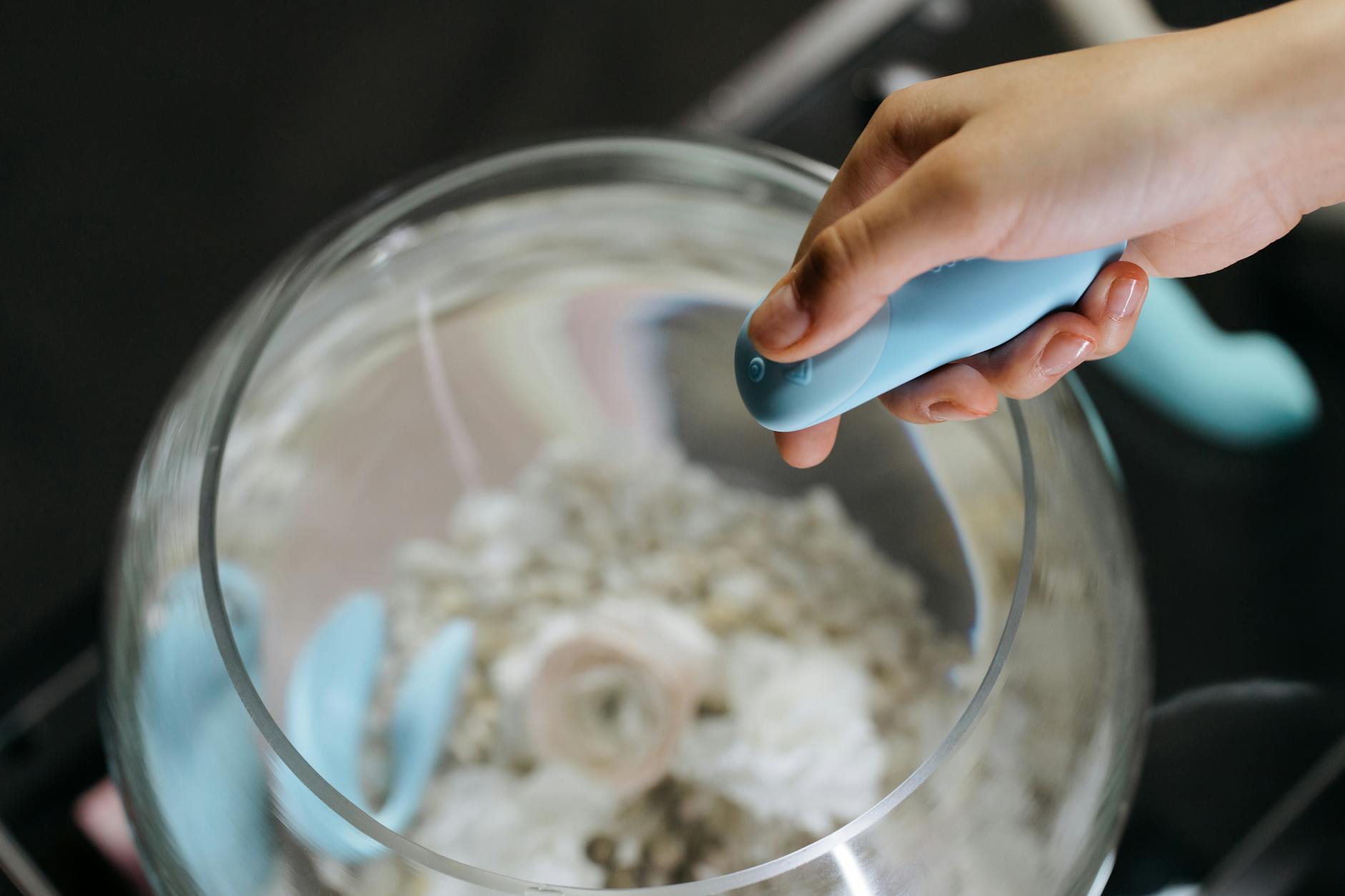
Photo by cottonbro studio on Pexels
Building comfort before you bring it into the bedroom
One of the smartest moves I recommend: let your partner hold the lemon vibrator and explore it outside of sex first. No pressure to use it. Just let them understand how it feels, how quiet it is, how much control they have. Some people are visual learners with their hands. They need to hold something to understand it.
You might shower together and bring it in the bathroom. You might sit on the couch and watch a video about how suction stimulation works. You might even let them use it on your hand or forearm first to feel the sensation without any of the emotional weight attached to arousal.
This is not foreplay. This is permission to be curious without performing.
The first time using lemon vibrators together after reconnection
Set an intention beforehand. Not a goal. An intention. That might sound like: "Tonight is about us being present with each other, not about anyone having an orgasm." This takes the pressure off both of you. It means you're measuring success by connection, not by outcome.
Start with your clothes on or partially on if that feels safer. There is no rule that says you have to be fully undressed to explore sensation together. Many couples find it easier to stay present when they're not entirely vulnerable at once.
Let one person lead first. If you're introducing lemon vibrators to your partner, maybe they take the lead on exploring how they want to be touched. Give them the vibrator and ask them what they're curious about. Some people want to try it with direct contact right away. Others want to explore it through fabric first. Honor whatever feels right in their body.
Go slow on intensity. The Lem vibrator has different intensities, but you don't need to start at high. Start low and let the sensation build. You're relearning how to be present together. Rushing the intensity is the opposite of that.
Managing different comfort levels in the same room
After emotional distance, it's common for one partner to be ready for physical reconnection faster than the other. One person might be thrilled about exploring lemon vibrators while the other is still in the "I'm just happy we're talking again" phase. Both are normal.
The person who's more ready has to slow down. I know that's hard when you're excited. But moving at the speed of the slower partner isn't sacrifice. It's the cost of trust. And trust is what you're rebuilding.
If you're the slower partner, communicate clearly. "I want to reconnect physically. I'm just not there yet with toys." Or: "I'm interested, but I need more time." Your partner can't adjust to what they don't know.
You might also spend some time exploring together without any tools. Hands, mouths, bodies touching. Sometimes the fastest way to become comfortable with a lemon vibrator is to remember what sensation feels like first.
What to do if old shame or fear shows up
It will. After emotional distance, it's common for old stories to surface during sex. You might have thoughts like "They don't really want this" or "I'm doing this wrong" or "This is weird." Those thoughts are usually not about the vibrator. They're about the distance you just bridged.
If you feel shame or fear showing up, pause. Not forever. Just pause. Tell your partner what you're experiencing. "I'm feeling self-conscious right now" or "I'm worried you're not enjoying this." Let them respond. Often, they'll say something that directly contradicts the story you're telling yourself.
This is the intimacy part. Not the orgasm. This.
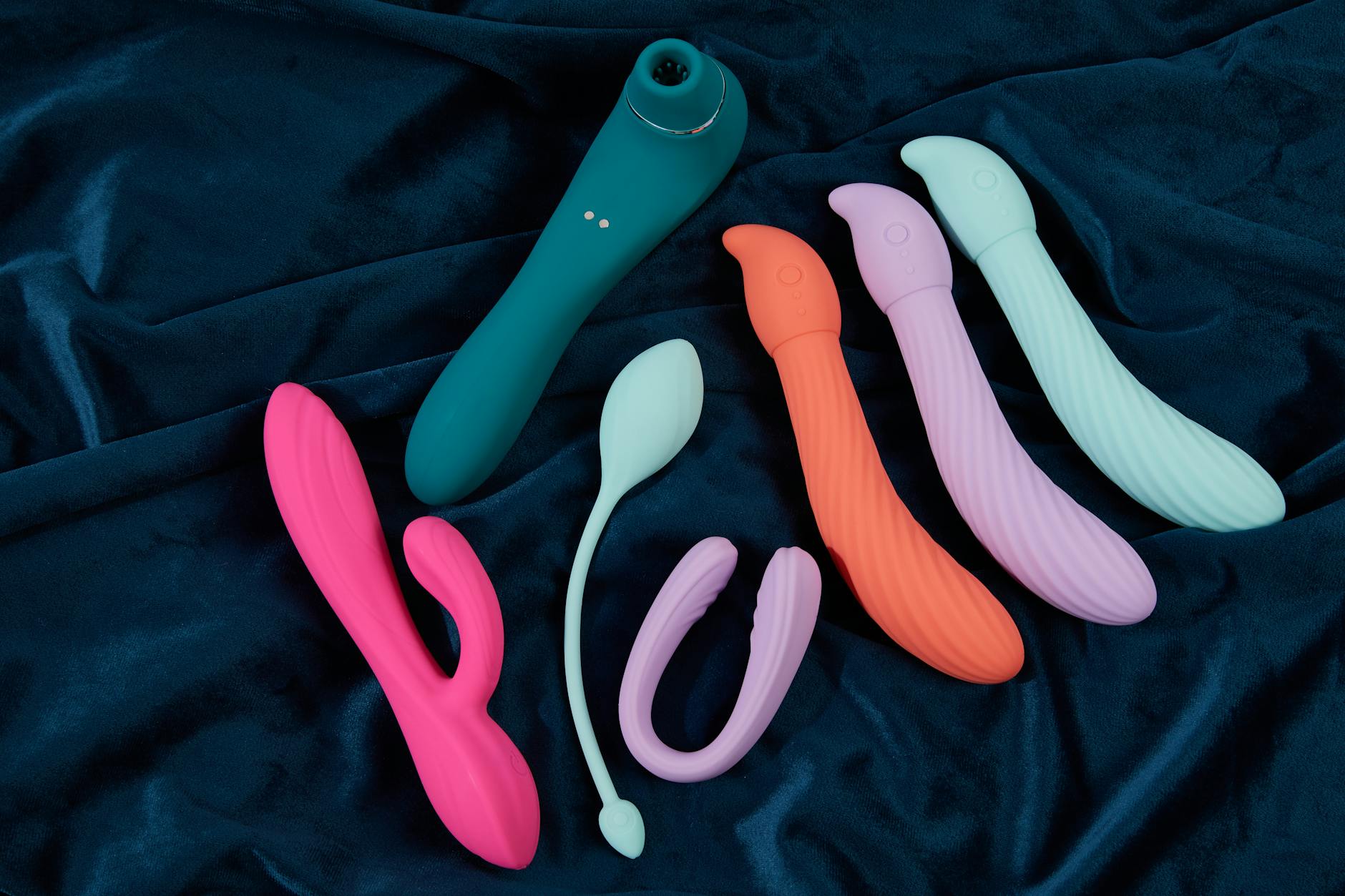
Photo by IFONNX Toys on Pexels
How using lemon vibrators together deepens reconnection
Here's what I notice with couples who approach this thoughtfully: the vibrator becomes a shared project, not a solo activity. You're problem-solving together. You're laughing when something unexpected happens. You're learning how your partner's body responds when they're not performing for you.
That builds a different kind of intimacy. It's less about matching desire and more about mutual curiosity. And honestly? That's often more sustainable than what came before.
The lemon clitoral vibrator works particularly well for reconnecting couples because the sensation is concentrated and responsive. It's not a vibration that requires you to move much or perform athletically. You can lie still, stay present, and focus on sensation and your partner's face.
Practical logistics that matter
Charge your Lem before you plan to use it. Nothing kills a moment like discovering the battery's dead. Use a water-based lubricant even if you think you don't need it. The relaxation of knowing you're prepared actually helps you stay present.
Have a conversation ahead of time about comfort with cleanup. Is your partner comfortable with you using it on them? Do you want to use it on yourself while they're present? Will you take turns? Talking about logistics beforehand means you're not negotiating them in the moment.
Set a boundary about phones. If you're rebuilding intimacy, the outside world doesn't exist for this time.
Reframing what "working" means
After reconnection, success doesn't look like it did before. You might not have the same kind of orgasm you used to. You might need more time to warm up. You might discover you have different desires than you thought you did. All of that is information, not failure.
The lemon vibrators work best when you're using them as part of a conversation with your partner, not as a solution to a problem. You're not trying to fix your bodies or your sex life. You're trying to explore what feels good now, in this version of your relationship.
That's the whole point of reconnection. You get to start again.
Frequently asked questions
How long should we wait after reconnecting emotionally before trying lemon vibrators together?
There's no timeline. Some couples are ready in weeks. Others need months. The marker isn't time. It's whether you can laugh together, admit vulnerability, and stay curious about each other's needs. If those things are happening, you're probably ready for that conversation.
What if my partner thinks lemon vibrators are weird or unnecessary?
That's a conversation to have gently. Ask what's underneath the hesitation. Sometimes it's fear that they're not enough. Sometimes it's never having considered pleasure as something to explore together. Sometimes it's cultural or religious messaging. Once you understand what's driving it, you can address that, not the vibrator. You might also point out that a clitoral vibrator isn't about replacing them. It's about discovering sensation together.
Can we use lemon vibrators if we've never used toys before?
Absolutely. The lemon clitoral vibrator is actually an excellent first tool because the suction sensation is very different from vibration alone. It feels intuitive to most people. You might want to explore it separately first, or watch an educational video together to understand how it works. But starting with lemon vibrators after reconnection is totally reasonable.
Should we use lemon vibrators during partnered sex or separately?
Both. You might use it while you're together in the same room but exploring separately first. Then, once you're both comfortable, you might use it during partnered sex if that feels good. There's no right way. You're learning what works for this version of your relationship.
What if one of us orgasms and the other doesn't?
That's normal. After reconnection, your nervous systems might be in different places. One partner might be easily aroused while the other needs more time or a different type of stimulation. Instead of that being a problem, let it be part of the conversation. You might take turns. You might use the lemon vibrator on one partner while the other is present and engaged. The goal shifts from matching to understanding.
How do we talk about this with each other if we still feel awkward?
You'll be awkward. That's okay. You might giggle or feel embarrassed. That's not a sign you shouldn't do it. That's just the discomfort of being new at something together. Lean into it. Laugh. Acknowledge the awkwardness out loud. "This feels weird, right?" Often, naming it makes it disappear.
Reconnecting after distance is brave work. Bringing sexuality back into that reconnection is even braver. A tool like a lemon vibrator can help, but only if you're using it as part of a larger conversation about desire, trust, and what pleasure means to both of you now. That conversation is the actual reconnection.
If you're navigating complex relationship dynamics beyond the physical piece, reaching out to a therapist or coach can help you both move through this with more ease. You've already done the hardest part. You're talking again. Everything else is just building on that foundation.