Let's talk about what aging actually changes
Here's the thing nobody tells you clearly: you don't lose the ability to feel pleasure as you get older. Your nerve endings don't vanish. What changes is the speed at which they fire, the amount of stimulation needed to trigger a response, and sometimes the type of touch that works best. That's not a loss. It's a shift. And once you understand it, you can work with it.
Aging affects sensitivity for three main reasons. Blood flow to genital tissue decreases, which means arousal takes longer to build and sensations feel more muted. Collagen naturally breaks down, so tissue becomes thinner and sometimes less reactive to direct friction. And at the cellular level, your nerve receptors become less densely packed in some areas while staying sharp in others. The result? You might feel less from traditional vibration, but you could feel more from a different type of stimulation entirely.
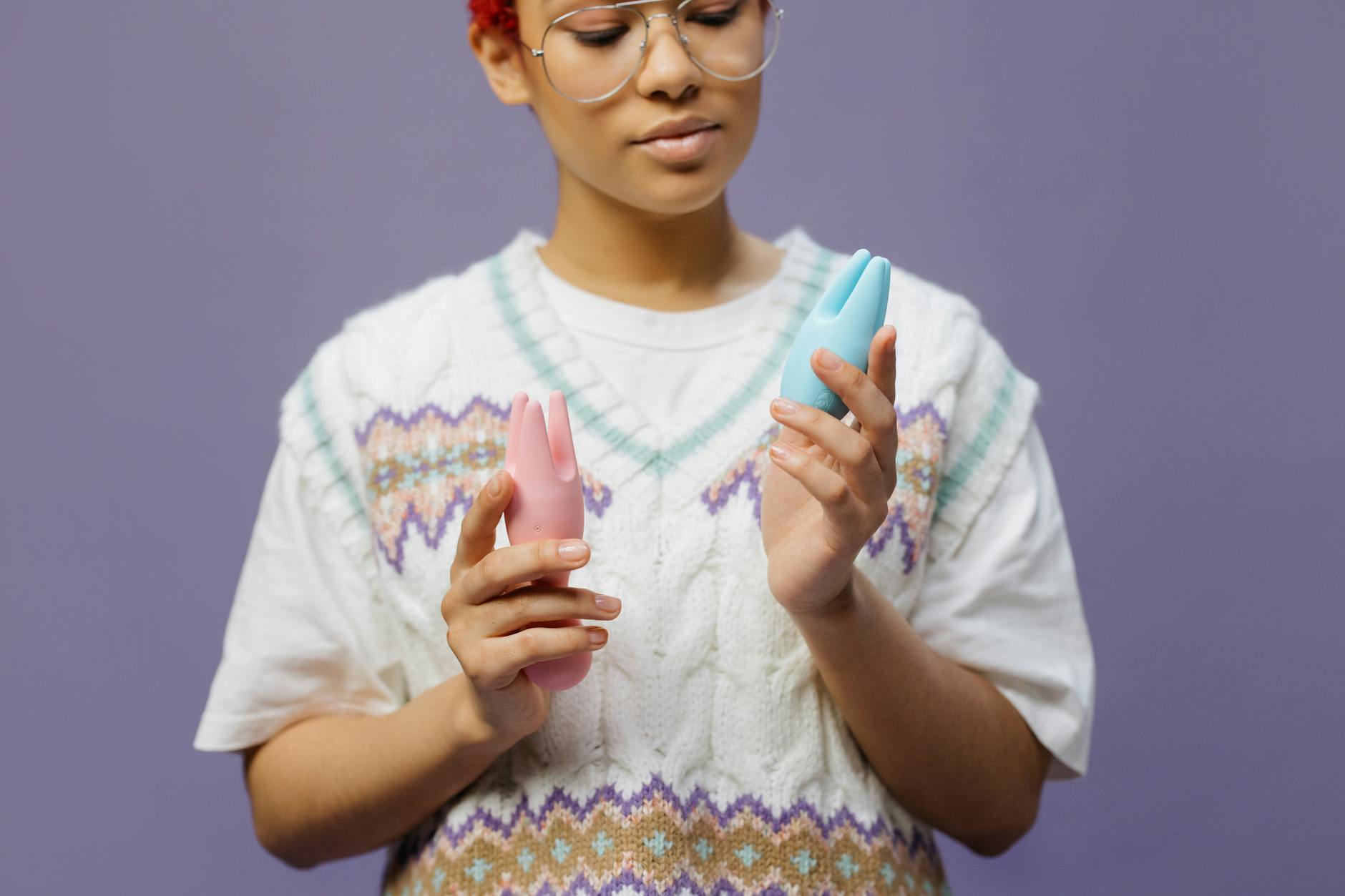
This is where lemon clitoral vibrators change the game. I see it in my practice constantly. People in their fifties, sixties, and beyond discover that air-suction technology delivers a quality of sensation they haven't felt in years, or sometimes ever.
Why vibration alone gets less effective over time
Standard vibrators work by creating repeated friction against nerve endings. That's effective when tissue is thick, collagen is plump, and blood flow is quick. But as you age, that same vibration can feel buzzy or numbing rather than pleasurable. You end up turning the intensity up, which can cause irritation instead of building sensation.
I had a client in her late fifties describe it this way: "I felt like I was chasing something that kept moving further away. The harder I tried, the more frustrated I got." She'd been using the same vibrator for years and assumed she was broken.
She wasn't broken. The stimulus simply didn't match her current physiology anymore.
How suction changes the equation
Suction-based technology like the Lemon clitoral vibrator works completely differently. Instead of friction, it creates a gentle vacuum seal that pulls on the tissues, stimulating thousands of nerve endings at once. This is not a gimmick. It's a physiological match for how aging bodies respond better to pressure and pulling than to rapid vibration.
Think of it this way: if your nerve endings are slower to wake up, you need a stimulus that's more substantial, not just faster. Suction provides that. It's a fuller, more sustained sensation that your body can actually register. Many people report that suction feels more like a natural response to arousal, whereas vibration feels increasingly artificial as years pass.
The beauty of lemon sexual toys designed with suction is that they work in partnership with your body's actual capacity right now, not against it. You're not fighting diminished sensitivity. You're using a tool that bypasses the problem entirely.
The adjustment period matters more than the tool
When you've spent decades with one type of stimulation, switching to suction requires a genuine learning curve. Your brain has to rewire what arousal feels like. For some people, this takes two or three sessions. For others, it's more like two or three weeks. Both are completely normal.
Start on the lowest setting and give yourself permission to explore without a goal. That sounds simple, but it's the part most people skip. You spend years outcome-focused—will this work, will I come, is this worth my time—and then you expect a new tool to deliver the same results immediately. It doesn't work that way.
I recommend setting aside twenty to thirty minutes, alone, without any pressure. Let your body adjust to the sensation. You might not orgasm the first time. That's fine. You're retraining your nerve endings. With age comes patience, and that's actually an advantage.
Pairing suction with other practical changes
Three things amplify what lemon vibrators can do for aging bodies:
Build arousal time into your routine. Your body needs fifteen to twenty minutes of foreplay now, not five. That's not a bug, it's biology. Kiss your partner, touch yourself, build slowly. This isn't lost time. This is better sex, because you're actually present for the whole arc instead of rushing to the finish.
Use lubricant consistently. Tissue gets thinner with age, which means it dries more easily. Water-based lubricant keeps things comfortable and makes suction feel smoother, richer. This is not optional. It's basic maintenance for an aging body.
Strengthen your pelvic floor, but learn to relax it too. Kegels are great, but tight muscles block sensation. Most people never learn the second half, which is how to fully release the pelvic floor. Relaxation is what lets sensation sink in. Tension blocks it. If you do one thing, do this: take a deep breath in, and on the exhale, completely soften your pelvic floor like you're releasing everything. Hold it for five seconds. That's the sensation you want during pleasure.
When reduced sensitivity signals something else
Sometimes what feels like age-related sensitivity loss is actually something more specific: hormonal shifts, medication side effects, or changes in relationship dynamics. If you've noticed a dramatic drop in sensation over a short period of time, or if sensation disappeared in some areas but not others, that's worth discussing with a doctor.
Thyroid disorders, diabetes, and some blood pressure medications all affect nerve sensitivity. So does depression and anxiety. A good healthcare provider can help you figure out whether what you're experiencing is normal aging or something worth treating separately. There's no shame in asking. Pleasure is health.
The emotional piece people skip
Here's what I see in my practice that isn't in the textbooks: people mourn their old bodies. You spend fifty years getting to know how your body works, what feels amazing, what gets you there fast. And then it changes. That's real grief. You're allowed to feel it.
The thing that makes this different from other losses is that something genuinely better often waits on the other side. Not better in a "your pleasure was wrong before" way. Better in a "you have permission to slow down now, to feel more deeply, to explore without the pressure of reproduction" way. That's not a consolation prize. That's freedom.
Once you accept that your body is different, you get to discover what it actually wants now, not what it needed forty years ago. People who do that often tell me their best sexual experiences have come after sixty.
FAQ: Reduced sensitivity and lemon vibrators
How long does it take to feel sensation from suction if I've lost sensitivity over time?
Most people notice a real difference within two to five sessions. The sensation of suction is so different from traditional vibration that your body recognizes it faster than you might expect. Some people feel it immediately on the first try. Others need a few times to adjust to the pressure sensation and stop waiting for the buzzing they're used to. Patience in the first week pays off.
Can I use lemon vibrators if I'm on blood pressure medication that affects sensation?
Yes, and sometimes they work better than standard vibrators for this exact reason. Since many blood pressure medications reduce blood flow, sensation often responds better to suction than to vibration alone. Talk to your doctor about your medications, but in my experience, lemon clitoral vibrators are often a good fit when pharmaceutical side effects have dimmed sensitivity.
Should I use a different intensity setting if I have reduced sensitivity from aging?
Not necessarily. The intensity on a lemon sucker isn't about force, it's about the strength of the suction seal. Start on the lowest setting and work up. Many people with reduced sensitivity actually prefer lower settings because the sensation is more nuanced and doesn't fatigue nerves the way high-intensity vibration does. Quality of sensation matters more than quantity.
Is reduced sensitivity from aging permanent, or can sensation improve if I use the right tools?
Sensation is not permanently lost, but it does require the right stimulus to wake up. Using lemon sexual toys designed for aging bodies, along with consistent foreplay and the other practices I mentioned, often brings sensation back to levels you thought were gone. You're not regaining youth. You're optimizing for the body you have now.
Can my partner help me adjust to suction-based stimulation if I have reduced sensitivity?
Absolutely. In fact, partner involvement often accelerates the adjustment. Your partner can help build arousal, apply lubricant, manage the device, and provide feedback. The key is communication. Tell them exactly what you're feeling and what you want to explore next. This becomes a shared experience instead of something you're doing alone.
What if I've tried lemon vibrators and still don't feel much?
That's usually a sign that you need more foreplay, more lubrication, or more time to adjust. Sometimes it also means the pelvic floor is holding tension. Try the relaxation exercise I described earlier, and give yourself three to four weeks of consistent, low-pressure exploration. If sensation still hasn't improved, a conversation with a pelvic floor physical therapist or a doctor who specializes in sexual health is worth it. Some cases of reduced sensitivity are treatable with topical treatments or other interventions.
The real takeaway
Aging is not the enemy of pleasure. It's a redirect. Your body is telling you what it needs now, and if you listen, it leads somewhere better. Lemon vibrators are built for that redirect. They match aging bodies on a physiological level because they bypass the friction that doesn't work anymore and use pressure and suction that does.
This isn't settling. It's evolution. And most people who make this shift tell me they wish they'd discovered it sooner.
If you're curious about how suction-based stimulation might work for your body, explore the options on our collections page. Or if you have specific questions about what might work for your situation, reach out. That's what I'm here for.