When avoidance becomes automatic
Here's what nobody tells you about sexual avoidance: it doesn't stay confined to the bedroom. When you've said no to sex enough times, your nervous system stops even asking. Your body learns to anticipate rejection before anyone else can offer it. You avoid your partner's touch. You scroll past intimate content. You schedule your life so full that sex becomes impossible, not as an active decision, but as a default.
This is different from low desire. This is learned protection. And it's reversible.
I've worked with hundreds of people rebuilding intimacy after months or years of avoidance. The pattern usually starts with legitimate friction: relationship conflict, a boundary violation, medication side effects, or untreated trauma. Then avoidance kicks in as the coping mechanism. But after 18 months of saying no, the nervous system doesn't remember why it started saying no. It just knows that pleasure feels dangerous.
Why avoidance gets stuck in your body
Your nervous system doesn't distinguish between "I don't want sex because my partner hurt me" and "I don't want sex because I've learned that wanting anything sexual will hurt." Both feel like survival.
The longer avoidance continues, the more it becomes wired. Here's what happens physically: your genital nerve receptors actually become less responsive. Your pelvic floor stays chronically tense. You stop producing the natural lubrication that signals receptivity. Your brain's arousal circuits lose activation. The physiological changes reinforce the psychological ones. It becomes real in your body, not just in your mind.
Breaking this pattern requires something your nervous system recognizes as safe. Not pressure. Not guilt. Not your partner's needs. Something that says to your body: pleasure is possible again, and you control it completely.
This is where lemon vibrators enter the equation.
Why suction changes the avoidance equation
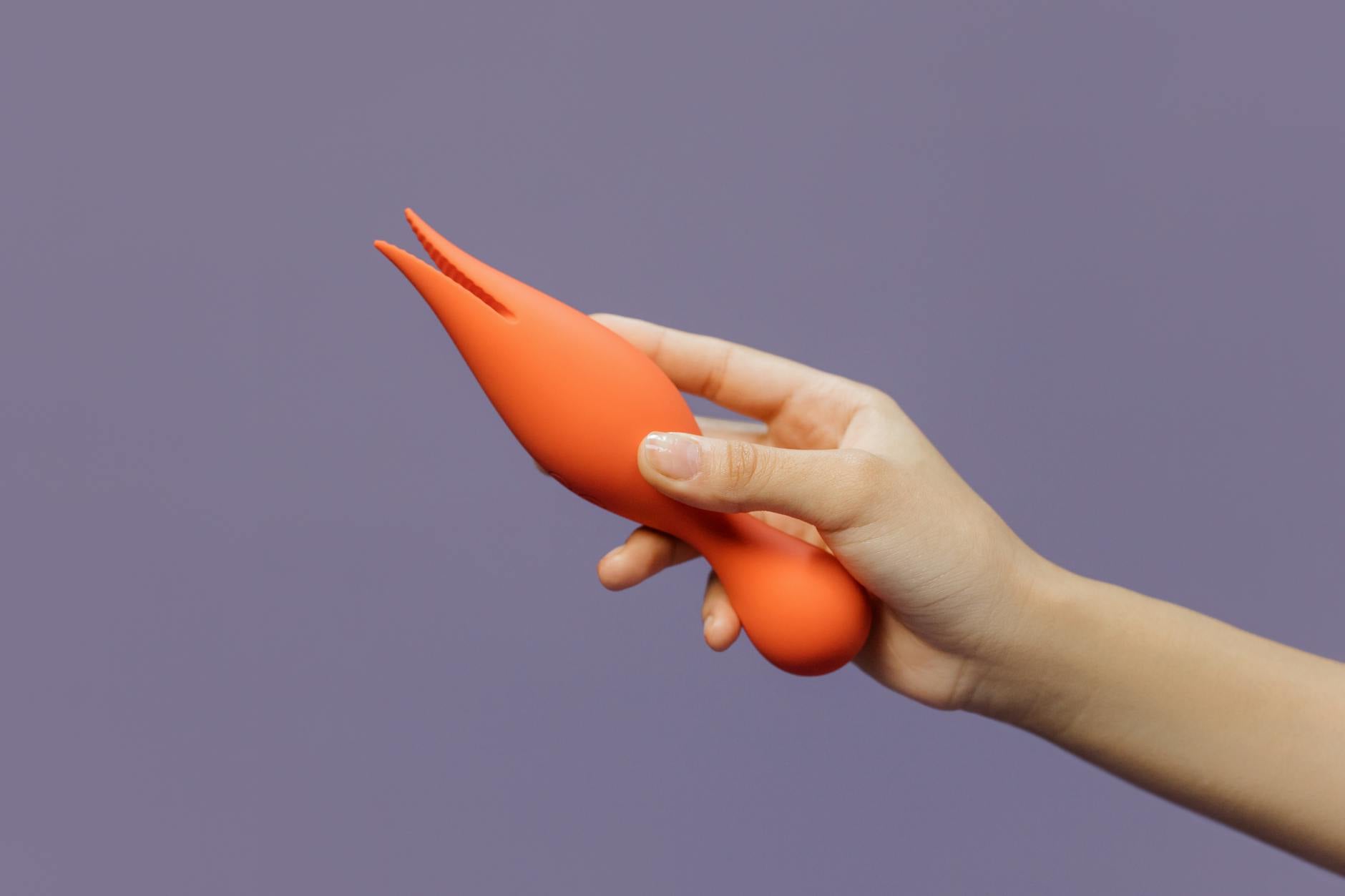
Most people think vibrators are just intense. But a lemon vibrator (specifically a clitoral suction toy like the Lem) works differently. It doesn't vibrate the tissue. It creates a gentle pulling sensation that mimics oral suction. The neurological pathway is different. The feedback to your nervous system is different.
When you've been avoiding genital touch, jumping straight to direct vibration can feel overwhelming. It reads as too much stimulation too fast. The suction approach works because it's gentler at first. You can start at pattern one (barely perceptible suction) and your body doesn't trigger its automatic protective response. Instead of "danger," your nervous system gets "curious."
There's also something psychologically powerful about suction that direct vibration doesn't offer: it feels more like partnered touch. For people rebuilding after avoidance, this matters. Your brain doesn't categorize it as "solo sex" in the isolating way. It reads as more intimate, which paradoxically makes it easier to relax into.
Starting slow when your nervous system has learned to say no
If you've spent a year or more avoiding sex, you can't restart with intensity. You have to work with your nervous system's current settings.
Here's the practical reset I recommend to clients:
Week one through two: sensation only. Use your lemon vibrator on the lowest setting for two to three minutes. Don't chase orgasm. Don't try to feel pleasure. You're literally just teaching your body that this sensation exists and that nothing bad happens. Set a timer. Keep it mechanical. Your only job is to notice: "I can feel suction. My body is responding. I'm not panicking." That's the entire goal.
Week three through four: extend duration. Now go five to seven minutes. Still lowest setting. Your nervous system is starting to recognize that this is safe. You might notice your body responding earlier. You might feel moisture where there was dryness. These are signs that your protective mechanisms are loosening, not that you should speed up.
Week five: introduce pattern variation. Most lemon adult toys have multiple suction patterns. Try patterns two and three briefly. Notice which ones your body leans into. This is your nervous system saying "this pattern feels safer" or "this one opens something up." Listen to that.
Weeks six onward: build your pleasure baseline. Now you're not resetting anymore. You're building a new neural pathway. You can experiment with duration, pattern, rhythm. You can actually pursue sensation and orgasm without your nervous system intercepting and shutting it down.
Why partnered sex still feels different (and how to bridge it)
Here's something important: rebuilding solo pleasure with a lemon vibrator doesn't automatically transfer to partnered sex. Your nervous system learned to avoid your partner specifically. The sensations might feel good alone, but then your partner touches you and something in your chest tightens.
This is normal. It's not failure. It's just the next phase.
Once you've rebuilt baseline pleasure alone, you can start bringing it into partnered contexts. Not as pressure. Not as a demand for sex. But as a bridge. Some couples find it helps to use the lemon clitoral vibrator together, with the receiving partner maintaining full control. You're teaching your nervous system: "My partner is here. I'm in control. Pleasure is still possible. My partner is not taking anything. I'm choosing."
That last part matters more than any physical sensation. For people rebuilding after avoidance, consent and control are neurological medicine.
The timeline nobody talks about
I work with a lot of people who expect to feel normal again in four to six weeks. That's not realistic when you've been avoiding for longer. The longer you avoided, the longer the rewiring takes.
Six months of avoidance followed by six weeks of using lemon vibrators doesn't balance the equation. The work typically takes months, sometimes a year or more. There will be weeks when it feels like it's working and weeks when your nervous system slips back into avoidance mode. That's not failure. That's healing.
What changes is the ratio. Early on, avoidance is the default and pleasure is rare. Over time, pleasure becomes easier and avoidance becomes something you have to actively choose. Eventually, they reverse. The default becomes openness. The exception becomes avoidance.
When you need more than a vibrator
If avoidance came from sexual trauma, you need a trauma-informed therapist alongside whatever tool you're using. A lemon vibrator can help reset your nervous system, but it can't process the original harm. That requires another kind of work.
If avoidance is entangled with relationship rupture, you might need couples counseling. Using a vibrator alone can rebuild solo pleasure. But if your partner was part of why you started avoiding, reconnecting sexually requires reconnecting emotionally first.
If avoidance triggered depressive or anxiety symptoms (which it often does), address the mental health component. Sometimes the avoidance is the symptom, not the root.
A lemon vibrator is a tool. It's a powerful one for rewiring your nervous system. But it works better alongside the right support.
FAQ: Sexual avoidance and pleasure rebuilding
What if I feel nothing when I first use a lemon vibrator?
Numbness is common after prolonged avoidance. Your nervous system has essentially put a protective blanket over your genital sensation. Feeling nothing doesn't mean you're broken. It means your nervous system is doing exactly what it learned to do. Keep going. Sensation often returns gradually. Some people don't feel much until week three or four. If numbness persists beyond eight weeks, or if you're on medication that affects sensation, check with a doctor.
Can using a lemon vibrator alone make avoidance worse if my partner is the problem?
Not typically. But I'll be direct: if your avoidance is because your partner violated a boundary or ignored your no, rebuilding pleasure won't fix the relationship. A vibrator might help you reconnect with yourself. But you still need to address whether your partner is safe.
How long before I feel ready for partnered sex again?
This varies wildly. Some people feel ready in two to three months. Some take a year. It depends on how long you avoided, why you started avoiding, whether the original issue is resolved, and whether you actually want partnered sex or you think you should. Don't rush this. The goal is feeling genuinely ready, not checking the box.
Do I need to tell my partner I'm using a lemon vibrator to rebuild?
Not unless you want to. This is your nervous system, your body, your timeline. That said, transparency often helps couples. If your partner understands you're actively working on rebuilding pleasure, they're less likely to interpret your continued avoidance as rejection of them. But the decision is yours. This work is not their entitlement to watch or participate in.
What if my partner pressures me to move faster than I'm comfortable?
That's a red flag. Healing from avoidance requires safety and control. If your partner is pushing you to feel pleasure on their timeline, you're not in a safe environment for rebuilding. You might need to slow down, set boundaries, or reconsider whether this relationship is worth rebuilding into.
Can I use a lemon vibrator indefinitely and never go back to partnered sex?
Yes. That's a valid choice. The goal isn't forced partnered sex. The goal is pleasure becoming accessible to you again, in whatever form you want. If that's solo pleasure with a lemon clitoral vibrator, that's a complete and legitimate outcome.
What comes after avoidance
Sexual avoidance taught your nervous system a protective no. Rebuilding with a lemon vibrator teaches it a voluntary yes. The difference is ownership. You get to decide when, how, and whether pleasure is for you.
That's the entire game. Not intensity. Not frequency. Not partnership. Just the knowledge that your body is available to you again. That sensation is safe. That saying yes to yourself is possible.
Start small. Be patient. Trust that your nervous system knows what it's doing, even when it's learning to do something different. And if you want to talk through your specific situation, reach out through contact and we can figure out the right approach for you.