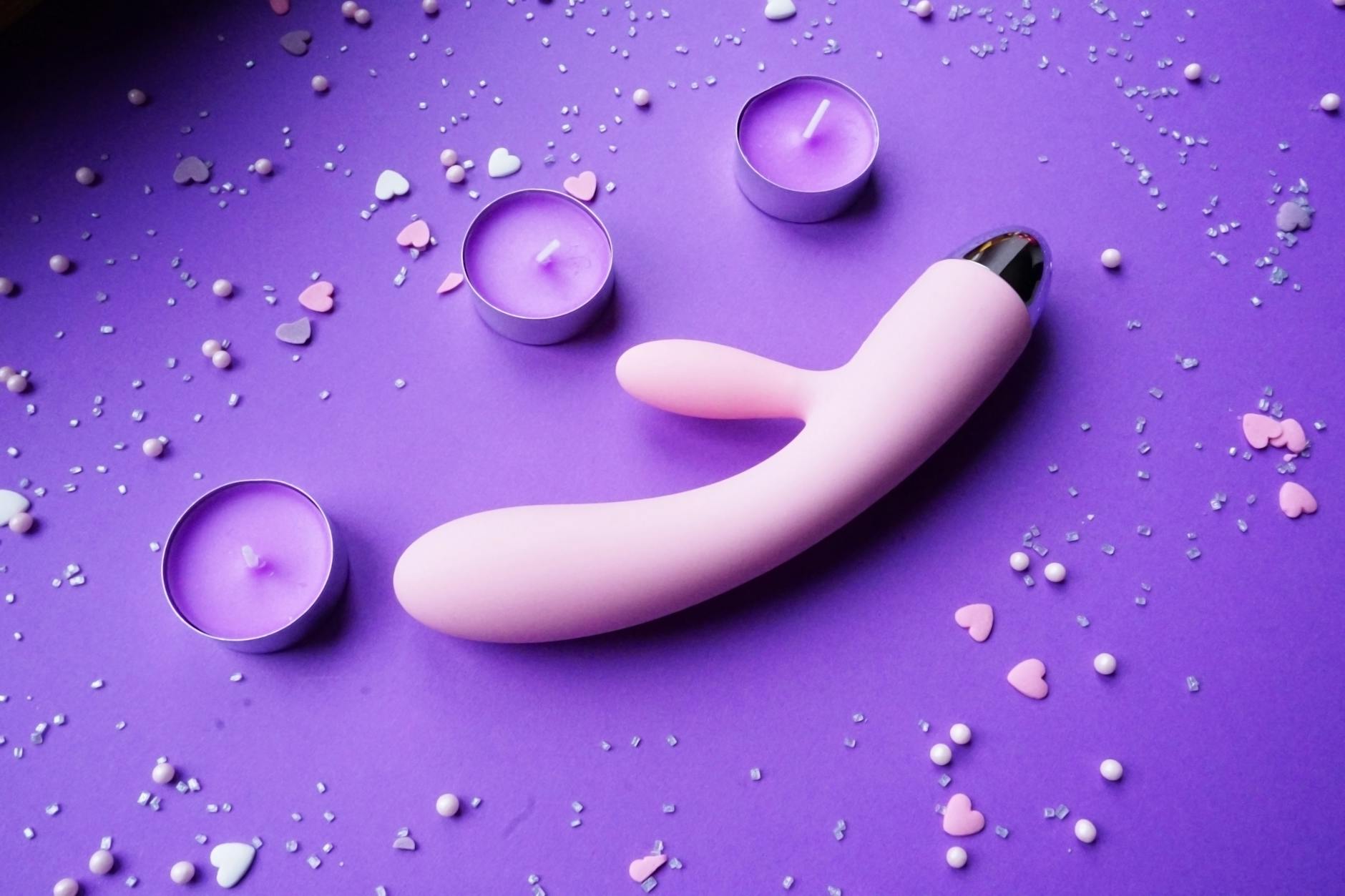
Here's the thing about lemon vibrators if you've only known traditional toys
If you've used a standard vibrator before, a lemon clitoral vibrator won't feel like you'd expect. There's no buzzing against your skin. Instead, there's a gentle pulling sensation. That difference isn't a bug. It's the whole point. And once you understand how it actually works, the experience makes way more sense.
I've worked with hundreds of people navigating their first suction toy, and the most common reaction isn't "wow, that's intense." It's "Oh, I finally understand what everyone was talking about."
The actual mechanics of suction versus traditional vibration
Let's start with how traditional vibrators work. They oscillate. They move back and forth hundreds of times per second, creating sustained pressure and friction against the skin. It's direct contact plus rhythmic movement.
Lemon vibrators work differently. They create a sealed chamber around the clitoris using gentle air-pulse technology. Then they create micro-movements in air pressure. Not touching directly. Not moving side to side. Just rhythmic suction and release.
Why does this matter? The clitoris has roughly 8,000 nerve endings concentrated in a tiny area. Traditional vibrators stimulate that cluster through direct contact. Suction stimulates those same nerves through pressure waves. It's like the difference between someone tapping your shoulder and someone gently pulling you closer. Same nervous system response. Completely different sensation.
Why suction works better for sensitive tissue
Here's where it gets practical. Direct vibration works through friction. That means you need skin-to-toy contact. If your clitoral tissue is sensitive, thin, or easily irritated, direct friction can feel sharp or even painful after a few minutes.
Suction doesn't require that contact. The silicone cup creates an air seal, and stimulation happens through pressure rather than friction. You could theoretically use a lemon vibrator even if you had a mild skin sensitivity that made direct vibration uncomfortable.
This is also why people recovering from childbirth, pelvic surgery, or managing conditions like genitourinary syndrome of menopause often find that <a href="/blog/lemon-vibrators-recovery-healing-after-pelvic-surgery">lemon vibrators feel more comfortable than traditional toys</a>. The mechanism itself is gentler on tissue.
The sensation progression as intensity builds
When you first turn on a lemon clitoral vibrator at its lowest setting, you'll feel a light tugging. Not much. Almost nothing if you're expecting the buzz of a traditional vibrator. This is actually the right expectation to have. Lower intensity should feel subtle.
As you move up through intensity levels, that sensation deepens. It becomes more rhythmic, more insistent. But even at maximum intensity, a lemon vibrator isn't vibrating. It's pulsing. The sensation stays in that suction-and-release territory instead of shifting into a buzzy hum.
Many people find that progression easier to control than traditional vibrators. You're not jumping from subtle to overwhelming. You're gradually increasing pressure in a way that feels more intuitive to your body.
Why your first experience matters less than you think
Let me be direct: your first time with a lemon vibrator might not be earth-shattering. And that's completely normal.
You might need to experiment with seal. The cup has to create an airtight contact to work properly, and that takes a few tries to figure out. You might also find that your body needs a beat to recognize suction as pleasure rather than something strange.
That's not failure. That's learning. I've worked with plenty of people whose first time with a lemon vibrator felt "meh," and by the fourth or fifth session, they couldn't imagine using anything else. Your nervous system sometimes needs a little time to map a new sensation onto pleasure.
Start with these setup choices
Before you even turn it on, three things matter.
First, lubrication. Use a water-based lubricant, even though suction toys require less lube than traditional vibrators. A thin layer helps the silicone cup seal better and makes the whole experience smoother. It's not about needing more moisture. It's about creating better contact.
Second, positioning. You don't need to be lying down. Lots of people assume that, but you can use a lemon vibrator sitting, lying on your side, or however feels natural. The seal works the same way. Play around. Find what feels good.
Third, warm-up time. Spend time with direct manual stimulation or a traditional vibrator first if you want. Let your clitoris become slightly aroused before introducing suction. That makes the sensation feel more integrated into your pleasure rather than totally foreign.
What the intensity levels actually do
Most lemon vibrators have between 5 and 10 intensity levels, depending on the model. Lower levels create gentler, slower pulses. Higher levels create faster, more intense pulses. But here's what confuses people: higher intensity doesn't necessarily mean it'll feel "better."
Intensity is a personal preference that changes based on your arousal level, your sensitivity that day, and what you're trying to achieve. Some people get there faster with medium intensity and steady rhythm. Others want to start low and build gradually. Neither is right or wrong.
Start at level 1 or 2 and spend a few minutes there. Notice what you're feeling. Then move up one level at a time. Pay attention to what feels good rather than assuming you need to reach the highest setting.
The difference between suction and pulse patterns
If your lemon clitoral vibrator has pattern options, those patterns affect the pacing of the suction. A steady pattern is consistent pressure and release. A varied pattern might speed up, slow down, or alternate between gentle and firmer pulses.
For your first time, stick with steady. Varied patterns are fun once you know what suction feels like, but they can be overstimulating if you're still figuring out the basic sensation.
How to know if the seal is working
This is a technical detail that matters a lot in practice. If the cup isn't sealed properly, you won't feel suction. You'll feel vibration or nothing much at all, and you'll think the toy doesn't work for you.
To check: once you've positioned the cup and turned on the toy, you should feel a gentle pull. Not painful. Not uncomfortable. Just a noticeable tugging sensation. If you feel nothing, the seal probably broke. Adjust the cup position slightly, add a tiny bit of lube, and try again.
The seal is also why you can't use a lemon vibrator over clothing. You need skin-to-silicone contact. That's not a limitation. It's just how the mechanism works.
Common first-time worries, answered straight
Will it feel weird? Probably yes, and that's fine. It's a new sensation. Your brain is learning something. That takes a minute.
Could it hurt? No, not if you've positioned it correctly and started at a low intensity. If you feel pain, something's wrong with the seal or you're applying too much pressure. Adjust and try again.
What if I don't orgasm the first time? Most people don't. Orgasm with a new toy requires your nervous system to recognize it as pleasure, your body to be aroused enough, and your brain to relax enough to let it happen. That's a three-part equation that doesn't always line up on day one.
Will it be too intense? Start at level 1. If even that feels like too much, you can always use it for just 20 seconds, turn it off, take a break, and come back. There's no rule that says you have to build up to higher intensity today.
Why people often prefer suction once they understand it
Honestly, the reason lemon vibrators have become so popular isn't marketing. It's that suction hits differently. Once your nervous system maps it as pleasure, most people find it more direct, more intense in a good way, and easier to orgasm with than traditional vibration.
That doesn't mean it's better for everyone. But if you're curious, it's worth trying with realistic expectations and a little patience.
Frequently asked questions
How is a lemon vibrator different from a regular vibrator?
Traditional vibrators use oscillation (side-to-side movement) to create stimulation through friction and contact. Lemon vibrators use air-pulse technology, which creates rhythmic suction and release around the clitoris. The sensation is gentler, less buzzy, and works through pressure waves rather than direct vibration. Many people find suction more intense and easier to orgasm with, though preference varies.
Do I need to be aroused before using a lemon clitoral vibrator?
No, but it helps. If you're not aroused at all, the sensation might feel more strange than pleasurable. Spending 10 to 15 minutes with manual stimulation or a traditional vibrator first can help your nervous system recognize suction as pleasure rather than something unfamiliar. That said, plenty of people use lemon vibrators to warm up and build arousal from there.
Why does my lemon vibrator feel like it's not working the first time I use it?
The most common reason is seal. If the silicone cup isn't making full contact with your skin, you won't feel suction. Try repositioning the cup, adding a small amount of water-based lubricant, and making sure you're not pressing it too hard. You should feel a gentle tug, not pain or pressure. If the seal still breaks, you might need to adjust your angle or the amount of pressure you're applying.
Can I use a lemon vibrator if I have never tried suction toys before?
Absolutely. You don't need prior experience with suction toys. Start at the lowest intensity level, spend a few minutes getting used to the sensation, and then experiment. Your first session is mostly about learning how suction feels. Pleasure often comes on the second or third try, once your nervous system has mapped the sensation.
Is suction safer than traditional vibration?
Both are safe when used correctly. Suction is gentler on sensitive tissue because it doesn't rely on friction, which makes it a good option for people with vulva tissue sensitivity, recovering from pelvic surgery, or managing conditions that make direct vibration uncomfortable. Always start at low intensity and listen to your body.
How long does it take to adjust to how a lemon vibrator feels?
Most people adjust within two to five uses. Your first try is often about understanding the sensation. By your third or fourth session, your nervous system usually recognizes suction as pleasure, and intensity becomes easier to control. Some people click with it immediately. Others need a week of exploration. Both are normal.
Suction toys aren't mysterious once you understand what they actually do. And if you're new to lemon vibrators specifically, that learning curve makes the experience better, not worse. Your first try isn't supposed to be perfect. It's supposed to be the beginning of figuring out what works for your body.
If you have questions about which lemon vibrator model might be right for your sensitivity level or body type, <a href="/contact">reach out</a>. That's what we're here for.